 Angela Stefani
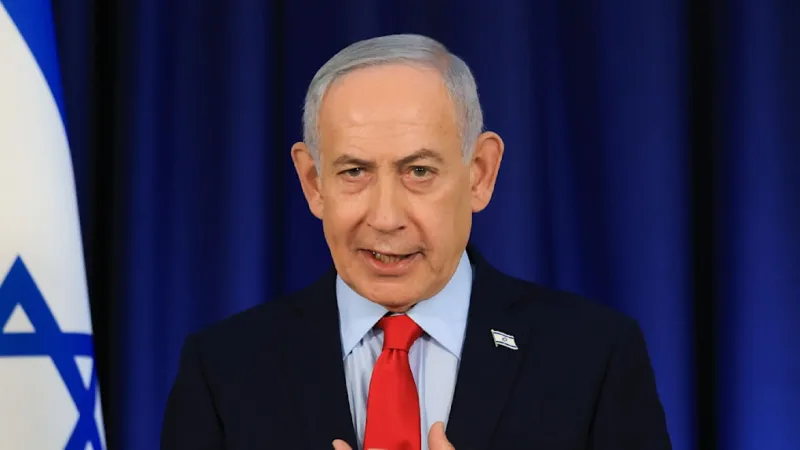
JERUSALEM – Israel has officially scheduled its next parliamentary election for October 27, 2026, igniting a high-stakes political contest that could fundamentally reshape the nation's leadership. Prime Minister Benjamin Netanyahu, a towering figure in Israeli politics for decades, faces an increasingly precarious path to securing another governing majority, as recent polls indicate a tightening race and a formidable challenge from a rising opposition.
The announcement of the election date sets the stage for what many anticipate will be a fiercely contested campaign. Public sentiment suggests a growing desire for stability after a period marked by frequent elections and often fragile coalition governments.
At the heart of the challenge to Netanyahu's long tenure is ex-General Gadi Eisenkot. Eisenkot, a former chief of staff of the Israel Defense Forces, has rapidly gained traction among voters, emerging as a significant contender capable of drawing support from various political factions.
His entry into the political arena has injected new energy into the opposition, with analysts noting his appeal as a pragmatic and experienced leader. Eisenkot's military background often resonates strongly with Israeli voters, particularly concerning national security, a perennial top concern.
Current opinion polls, while not definitive, consistently show the race as too close to call. These surveys suggest that Netanyahu's Likud party and its traditional allies may struggle to achieve the clear majority needed to form a stable government without unprecedented concessions or complex coalition arrangements.
Such a scenario could lead to protracted negotiations post-election, mirroring past instances of political deadlock that have occasionally necessitated repeat electoral cycles within short periods. The nation holds its breath, aware that the path to a functioning government may be fraught with difficulty regardless of the initial outcome.
The upcoming election will undoubtedly focus on a range of critical domestic issues. These include the ongoing debate over judicial reforms, the cost of living crisis affecting many Israeli families, and the future direction of the nation's economy.
Beyond domestic concerns, national security remains paramount. Israel navigates a complex regional landscape, with persistent threats and shifting alliances. Voters will scrutinize how each candidate proposes to safeguard the nation and manage its intricate geopolitical relationships.
Relations with the United States, particularly under President Donald Trump's administration, will also play a role in the political discourse. Both Netanyahu and his challengers will articulate their vision for this vital alliance, which impacts everything from defense cooperation to diplomatic initiatives.
For Prime Minister Netanyahu, this election represents one of the most significant challenges of his illustrious career. Having dominated Israeli politics for an extended period, he must now contend with a rejuvenated opposition and an electorate seemingly more open to change than in previous years.
Eisenkot, conversely, aims to capitalize on this sentiment for change. His campaign is expected to highlight his leadership qualities, his commitment to unity, and his vision for a more inclusive and stable Israel.
The weeks leading up to October 27 will likely be characterized by intense campaigning, robust debates, and a flurry of political maneuvering. Both major blocs will strive to sway undecided voters and consolidate their bases.
The outcome of this Israel election will not only determine the composition of the next Knesset but also set the course for Israel's domestic policies, its standing in the Middle East, and its crucial international partnerships for the foreseeable future.
Voters will cast their ballots with the knowledge that their decision will have profound implications for the nation's stability and its direction in a rapidly evolving world. The political landscape is poised for a significant shift, leaving the future of Israel's leadership in the balance.