 Angel Doris
August is set to captivate skygazers globally with an extraordinary lineup of celestial phenomena, featuring a total solar eclipse and the peak of the Perseid meteor shower on August 12, followed by a partial lunar eclipse on August 28. This convergence of astronomical events offers a rare opportunity for enthusiasts and the public alike to witness the cosmos in action.
First on the agenda is the highly anticipated total solar eclipse, occurring concurrently with the Perseids on August 12. During a total solar eclipse, the Moon perfectly aligns between the Sun and Earth, casting a shadow that plunges parts of the planet into temporary twilight. Regions within the path of totality will experience the Sun's corona, an ethereal halo of plasma, becoming visible to the unaided eye—a truly majestic sight.
The specific geographical path for this total solar eclipse is critical for optimal viewing, though precise details regarding its trajectory across continents are typically released closer to the event by international astronomical bodies. Experts emphasize the paramount importance of using certified solar viewing glasses or projection methods to prevent severe eye damage, as looking directly at the Sun, even during an eclipse, can cause permanent retinal injury.
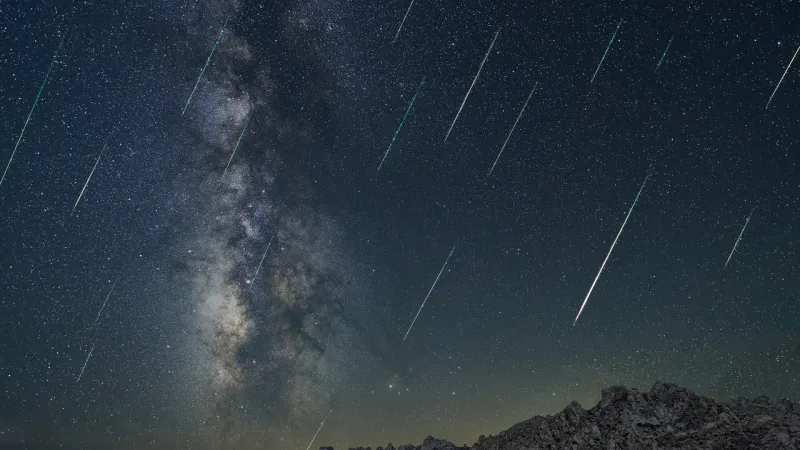
Simultaneously, the Perseid meteor shower, one of the most reliable and spectacular annual meteor displays, will reach its zenith on the night of August 12. Originating from the debris trail left by Comet Swift-Tuttle, these meteors, often referred to as shooting stars, streak across the night sky as Earth passes through the comet's dusty remnants.
Under dark, clear skies, observers can expect to see dozens of meteors per hour, particularly in the pre-dawn hours. The Perseids are renowned for their brightness and the occasional fireballs they produce, making them a perennial favorite among amateur astronomers and casual stargazers. Finding a location away from city lights significantly enhances the viewing experience.
Later in the month, on August 28, the Earth's shadow will partially obscure the Moon, resulting in a partial lunar eclipse. Unlike its solar counterpart, a lunar eclipse is safe to view directly without any specialized equipment. During this event, the Moon may take on a dim, reddish hue as sunlight filters through Earth's atmosphere and is projected onto its surface, creating a subtle yet beautiful spectacle.
These celestial spectacles serve as potent reminders of the dynamic universe we inhabit and our unique vantage point from Earth. Such events not only spark public curiosity about space but also provide invaluable data for scientists studying orbital mechanics, solar activity, and the composition of comets and asteroids.
The confluence of a total solar eclipse and a major meteor shower on the same day is particularly rare, heightening the scientific and public excitement surrounding August 12. This unique alignment offers astronomers an exceptional opportunity to study the phenomena in tandem, potentially yielding new insights.
For those planning to observe the Perseids or the lunar eclipse, national parks and rural areas generally offer the darkest skies, far removed from urban light pollution. Many organizations and observatories often host public viewing events, providing guided observations and educational resources. For those in Italy, the opportunity to combine stargazing with cultural exploration exists, as Italy's Ancient Wonders Unveil Enchanting Night Tours This August.
Preparations for these events are underway by astronomical societies and educational institutions worldwide, aimed at informing the public and ensuring safe viewing practices. Scientists from organizations like NASA and the European Space Agency continue to monitor and forecast these events with precision, sharing their knowledge to enhance global appreciation.
The August sky therefore transcends mere observation; it invites a collective moment of reflection on the grandeur of the cosmos and humanity's enduring fascination with the stars. From ancient civilizations charting the heavens to modern scientists unraveling cosmic mysteries, these natural occurrences consistently inspire wonder and a deeper understanding of our place in the universe.