 Demian Sahputra
The Himalaya region of Nepal faces a deepening humanitarian crisis as authorities commence mass burials for hundreds of unidentified victims following a cataclysmic flood disaster. This grim endeavor unfolds amidst a frantic search for over 3,000 individuals still reported missing, underscoring the unprecedented scale of the catastrophe that ravaged mountainous communities.
Nepalese government officials confirmed the initiation of these somber ceremonies, a necessary but heartbreaking measure to manage the overwhelming number of deceased recovered from the deluge. The swift current and immense debris carried by the floodwaters made identification nearly impossible for many of the bodies.
Weeks of relentless monsoon rains preceding the recent flash flood had already saturated the terrain, leading to widespread landslides and erosion. The subsequent deluge, triggered by a glacial lake outburst or an extreme cloudburst, unleashed a torrent of water and mud down river valleys, obliterating villages and critical infrastructure.
Rescue operations, hampered by damaged roads, bridges, and communication networks, continue to face arduous challenges. Teams of military personnel, police, and local volunteers are tirelessly sifting through debris and searching riverbanks, often in remote and treacherous areas.
The decision to proceed with mass burials reflects the stark reality confronting Nepalese authorities. With morgues overflowing and limited resources for DNA analysis or other identification methods for such a large volume of victims, a dignified collective interment became the most viable, albeit painful, option.
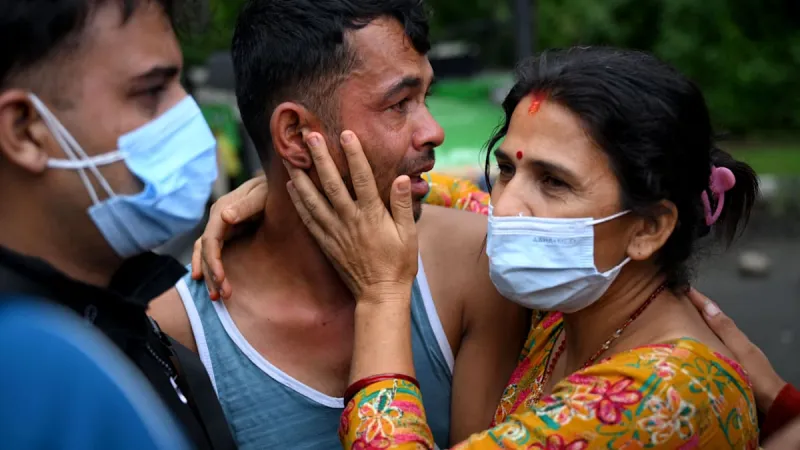
Families of the missing face an agonizing wait, clinging to slivers of hope even as the prospect of finding survivors diminishes daily. Many are participating in the search efforts themselves, trekking through perilous landscapes in desperate bids to locate loved ones.
International humanitarian organizations have begun to mobilize, offering aid and support to the hardest-hit districts. However, the logistical complexities of reaching isolated communities mean that assistance is slow to arrive for many who have lost everything.
The sheer number of missing persons, now exceeding 3,000, represents a significant demographic blow to the affected regions, many of which are already economically vulnerable. Reconstructing lives, homes, and livelihoods will require sustained, long-term commitment.
Environmental experts point to the increasing frequency and intensity of such extreme weather events in the Himalayan region, attributing them partly to the broader impacts of climate change. Glacial melt and unpredictable monsoon patterns exacerbate the risks for populations living in these geologically sensitive areas.
This catastrophe draws parallels with other major flood events where search and recovery operations become prolonged and difficult. For instance, the recent flash flood that engulfed Phantom Ranch in the Grand Canyon also left dozens missing, highlighting the destructive power of sudden deluges and the subsequent challenges of accounting for victims in remote settings. Grand Canyon Flash Flood Engulfs Phantom Ranch, Dozens Missing.
The Nepalese government has appealed for greater international assistance, stressing the need for specialized equipment, forensic support for victim identification, and long-term aid for reconstruction and rehabilitation. The country grapples with not only the immediate aftermath but also the profound psychological and social trauma inflicted upon its people.
Villages that once thrived along riverbanks now lie buried under meters of silt and rock. Survivors recount harrowing tales of fleeing rising waters, often with mere minutes to spare, witnessing homes and entire communities swept away.
The mass burials are conducted with respect for religious and cultural practices where possible, emphasizing the sanctity of human life even in death. Religious leaders are involved in blessing the sites, providing solace to grieving families and the officials undertaking the solemn task.
As the recovery efforts transition into a long-term humanitarian response, the focus will shift towards rebuilding and implementing more robust early warning systems. Learning from the current tragedy is crucial to mitigating future risks in a region increasingly susceptible to climatic shifts.
The international community watches with concern, acknowledging the immense scale of the disaster and the formidable challenges facing one of the worlds poorest nations. The resolve of the Nepalese people, however, remains steadfast in the face of such overwhelming adversity.
This event serves as a somber reminder of human vulnerability to the forces of nature, particularly in regions where geographic factors and climate change converge to create hazardous conditions. The ongoing task of recovery and reconciliation will undoubtedly shape Nepals immediate future.
The process of formally declaring the missing as deceased, a necessary step for families to move forward with legal and financial matters, will also add another layer of bureaucratic challenge to an already strained system. These declarations are often delayed in large-scale disasters due to the sheer volume and complexity.