 Robert Andrison
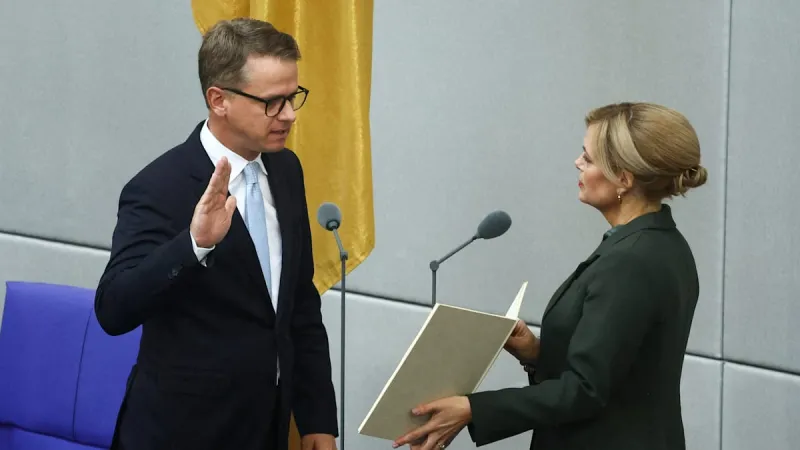
BERLIN – Germany's Bundestag officially inaugurated Steffen Bilger, Carsten Linnemann, and Nina Warken into critical ministerial roles today, marking a significant recalibration within the federal government. Bilger assumes the portfolio of Minister for Transport, Linnemann takes charge as Minister for Health, and Warken steps into the crucial position of Federal Minister for Special Tasks following their formal swearing-in ceremony.
The appointments, which concluded with the customary oath of office, signify a strategic move to address pressing national concerns. The Ministry of Transport faces substantial challenges concerning infrastructure modernization, sustainable mobility, and the future of Germany's automotive industry.
Concurrently, the Ministry of Health is at the forefront of ongoing public health reforms, pandemic preparedness, and ensuring equitable access to healthcare services across the nation. Linnemanns leadership will be pivotal in navigating these complex issues.
Nina Warkens role as Federal Minister for Special Tasks often involves coordinating inter-ministerial efforts, managing sensitive political projects, or overseeing specific government initiatives that require direct oversight from the Chancellery. This portfolio is traditionally highly influential, underscoring the trust placed in her capabilities.
These new cabinet members assume their duties at a time of considerable domestic and international flux for Germany. The nation continues to grapple with economic uncertainties, evolving geopolitical landscapes, and the imperative for sustained social cohesion.
The new appointments come amidst a challenging political climate for established parties. Recent polls have indicated a significant shift in voter sentiment, with some traditional political forces experiencing declining support. For instance, reports highlight that German Union Plummets Below 20%; AfD's Lead Widens Significantly, reflecting a broader dissatisfaction among the electorate.
Carsten Linnemann, a prominent figure known for his focus on economic policy and social market economy principles, brings a strong background in political leadership. His transition to the health ministry indicates a governmental emphasis on strategic management and efficient resource allocation within the healthcare system.
Steffen Bilger, with his extensive experience in infrastructure and digitalization, is expected to drive forward key projects aimed at modernizing Germany's transportation networks. His previous parliamentary work has often centered on ensuring sustainable and technologically advanced solutions for public transit and freight.
Nina Warken, recognized for her acumen in legal affairs and internal security, is poised to tackle cross-departmental challenges. Her appointment to special tasks suggests a need for an experienced hand in intricate governmental coordination and problem-solving.
Observers anticipate that the fresh perspectives and expertise brought by these ministers will shape forthcoming policy debates. Key areas such as climate-neutral transport, digitalization in healthcare, and the government's overarching strategic agenda are likely to see renewed vigor.
The focus will now turn to how these new leadership figures integrate into the existing German cabinet and whether their appointments will herald a significant shift in policy direction or merely a consolidation of current governmental trajectories. Public scrutiny will be intense as they begin to implement their respective mandates.
The swearing-in ceremony is not merely a bureaucratic formality but a public affirmation of the government's commitment to addressing the nation's priorities. It underscores the dynamic nature of German federal politics and the continuous evolution of its leadership.
The new ministers face considerable challenges, from navigating complex legislative processes to securing public trust and delivering tangible results in their high-profile roles. Each portfolio comes with its unique set of pressures and expectations from the public and various stakeholders.
The political landscape in Germany remains highly competitive, and the performance of these new ministers will be closely watched, particularly as the next federal election cycle approaches. Their initial actions and policy initiatives will provide critical insights into the government's long-term vision.
Ultimately, the success of Bilger, Linnemann, and Warken in their new capacities will be measured by their ability to foster innovation, ensure stability, and effectively serve the interests of the German populace, reinforcing the functionality of the German cabinet structure.