 Edward DP Situmorang
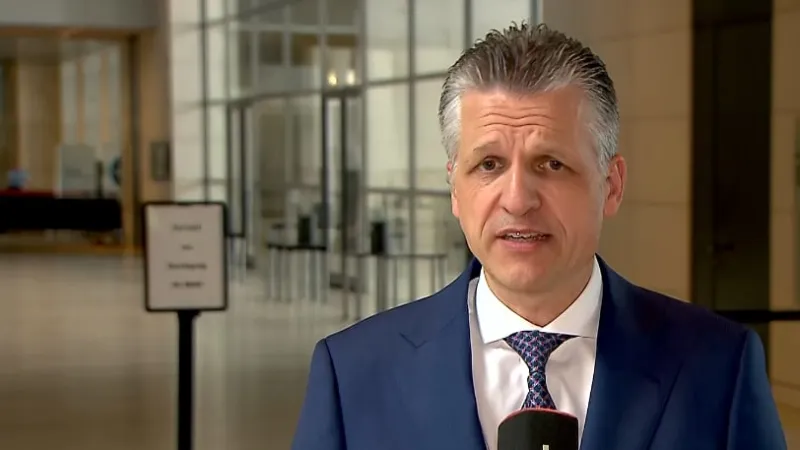
BERLIN – Thorsten Frei, the influential Head of the Federal Chancellery and a leading figure in the Christian Democratic Union (CDU), recently elucidated the German government's progressive strides in critical reform initiatives spanning pensions, healthcare, and taxation. In a pivotal interview, Frei underscored a strategic philosophy that rejects a simplistic either-or approach, instead embracing a comprehensive both-and mandate aimed at delivering substantial relief for both the nation's populace and its corporate sector.
Frei articulated that this dual-pronged strategy is fundamental to navigating contemporary challenges, ensuring that policy implementation simultaneously addresses immediate economic pressures while fortifying long-term societal resilience. The chancellery chief highlighted the interconnectedness of these reforms, positing that success in one area often creates synergistic benefits in others.
Central to the government's agenda are proposed pension reforms, which seek to stabilize Germany's social security system in the face of ongoing demographic shifts. Frei indicated that measures are being actively considered to ensure intergenerational fairness and secure adequate retirement provisions, signaling a departure from past incremental adjustments towards more structural changes.
In the realm of healthcare, the government is reportedly focusing on enhancing accessibility and efficiency across the national system. Discussions involve improvements in digital infrastructure within the health sector, alongside a thorough reevaluation of funding mechanisms, all designed to alleviate burdens on patients and providers alike.
Taxation reforms constitute another vital pillar of the strategy, specifically geared towards stimulating economic growth and easing the financial load on middle-income households and small and medium-sized enterprises. Frei alluded to a recalibration of tax structures intended to foster innovation and investment, thereby boosting Germany's competitive edge in the global marketplace.
The promise of tangible relief for citizens and businesses remains a recurring and significant theme in Frei's discourse. These proposed measures encompass a broad spectrum of financial adjustments, from potential tax breaks to simplified bureaucratic processes, all strategically designed to inject vitality into the economy and improve daily living standards.
Germany currently confronts a complex array of domestic and global economic headwinds. The impetus for these comprehensive German reforms stems from a recognition that structural adjustments are paramount to maintaining economic stability and social cohesion in a rapidly evolving international landscape. Challenges such as an aging population and the imperative for green energy transitions contribute to the urgency of these policy shifts. Furthermore, the nation continues to navigate its role as a significant recipient of asylum seekers, as highlighted by reports such as "Germany Second Globally in Refugee Asylum, UN Report Reveals," adding pressure on social services and infrastructure.
Successful implementation of such wide-ranging reforms necessitates broad political consensus across the governing coalition. Frei, representing the CDU, emphasized the collaborative spirit required to successfully shepherd these complex legislative packages through parliament. His strategic position within the Chancellery places him centrally in coordinating inter-ministerial efforts.
Experts suggest that these reforms, if successfully enacted, could have far-reaching implications for various sectors. Businesses anticipate reduced regulatory hurdles and potentially lower corporate tax liabilities, fostering an environment conducive to expansion. For citizens, the reforms aim to provide a demonstrable improvement in financial well-being and access to essential services.
As legislative proposals continue to evolve, the German government remains committed to its core both-and philosophy, ensuring that necessary modernization efforts are balanced with the direct economic needs of the German people. The coming months will reveal the specific contours of these reforms and their anticipated timeline for full implementation.
This holistic approach distinguishes these current reforms from previous, often more segmented, policy adjustments. It acknowledges that issues like pension stability cannot be effectively addressed without considering their broader impact on the economy, healthcare system, and labor market.
For instance, successful tax relief measures for businesses could free up capital for investments in new technologies or job creation, indirectly bolstering the pension system through increased contributions from a growing, more robust workforce. Similarly, a more efficient healthcare system could reduce costs for employers and individuals, potentially leaving more disposable income.
As Head of the Federal Chancellery, Frei plays a critical role in orchestrating the policy agenda and ensuring seamless inter-ministerial coordination. His public pronouncements often reflect the overarching strategic direction of the German government, making his recent remarks particularly significant for understanding the trajectory of national policy.
While the intricate details of the reforms are still being finalized, initial public discourse suggests a cautious optimism among the populace, with citizens eager for tangible improvements in their economic situation. Businesses, likewise, are closely monitoring the proposals, hoping for clarity and stability in the regulatory and economic environment.
Germany's pursuit of comprehensive reforms also resonates within the broader European Union. Other member states often look to Berlin for economic leadership and best practices, making the success of these initiatives potentially influential beyond national borders, as the continent collectively addresses its own array of economic and social challenges.