 Chandra Wijayanto
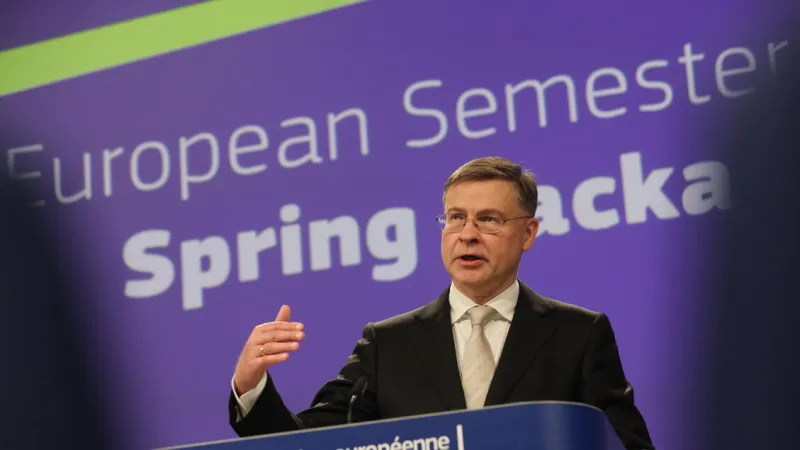
The European Union has formally adopted a pivotal energy flexibility clause, offering member states vital fiscal breathing room amidst ongoing economic pressures. The decision, which received a strong endorsement from Italy, permits countries to allocate up to 0.3 percent of their Gross Domestic Product annually for three years, with a cumulative ceiling of 0.6 percent, specifically for energy-related investments and support. This landmark approval follows extensive negotiations and underscores a collective effort to stabilize national economies grappling with volatile energy markets.
Valdis Dombrovskis, the European Commission Executive Vice-President, confirmed the specifics of the new framework. He elaborated on the financial parameters, stating, "Up to 0.3 percent of GDP per year for three years, with a cumulative limit of 0.6 percent." Dombrovskis further indicated the expectation for certain nations to utilize this provision. "I presume Italy will want to use the flexibility," he remarked, acknowledging the particular challenges faced by the eurozone's third-largest economy.
Italian Minister of Economy and Finance, Giancarlo Giorgetti, quickly hailed the agreement as a triumph for Rome's persistent advocacy. He affirmed that the European Union had "accepted Italy's proposals," signaling a significant diplomatic victory. For months, Italy has championed greater fiscal leeway to address its energy crisis while adhering to broader EU budgetary constraints.
A crucial aspect of the newly approved flexibility clause is its defined scope and limitations. Dombrovskis clarified that the measure carries "no obligations for Defense," meaning member states cannot re-route these funds to military spending. Furthermore, the clause explicitly stipulates "no cuts to excise duties," ensuring that this fiscal maneuver does not circumvent existing tax structures or revenue streams linked to energy consumption.
The adoption of this flexibility arrives at a critical juncture for Europe, which has navigated complex energy landscapes in recent years. Geopolitical events have underscored the continent's vulnerability to supply disruptions and price surges, prompting a reevaluation of traditional fiscal austerity measures in favor of more adaptable policies. This new clause provides a crucial tool for member states to fortify their energy security and support their citizens and industries without facing immediate penalties for exceeding standard deficit targets.
This move aligns with broader discussions within the EU regarding the future of fiscal rules and the necessity for tailored approaches to national economic challenges. While the bloc maintains its commitment to sound public finances, the recognition of specific sectoral pressures, such as those in the energy domain, suggests a more pragmatic evolution of its economic governance framework.
Analysts suggest that Italy, given its substantial energy import reliance and persistent efforts to manage public debt, will likely be among the first to avail itself of this new provision. The country has been particularly vocal about the need for policies that allow for strategic investments without hindering recovery efforts. This flexibility could facilitate crucial infrastructure upgrades and support for energy-intensive industries.
The approval also highlights the ongoing dialogue within the European Union regarding shared burdens and differentiated responsibilities. Member states often face unique economic circumstances, and the ability to tailor fiscal responses to specific crises, while remaining within a defined European framework, represents a mature development in continental policymaking. The related article Europe Confronts Energy War Fallout, Nuclear Power Debate Intensifies further illustrates the complex energy challenges facing the continent.
Beyond immediate energy considerations, this decision could set a precedent for future policy adaptations within the EU. It demonstrates a willingness to balance fiscal discipline with the urgent need for strategic investments in areas critical to economic stability and competitiveness. The cautious yet significant step represents a pragmatic adjustment to the evolving global economic environment.
While the new clause offers much-needed relief, its long-term impact will depend on how effectively member states utilize the allocated funds and how it integrates with broader national and European energy strategies. Ensuring transparency and accountability in the use of these flexible funds will be paramount to maintaining fiscal credibility across the bloc.