 Dodi Irawan
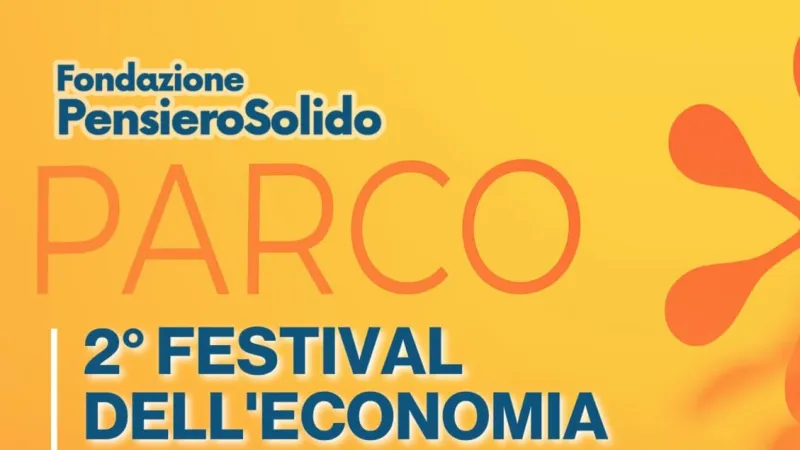
Milan is poised to host a pivotal series of events under the banner of the Festival of the Circular Economy of Skills, spearheaded by Fondazione Pensiero Solido. These two key appointments aim to cultivate and enhance the competencies vital for transitioning toward a sustainable economic model, marking a significant step in Italy's commitment to ecological innovation.
The festival represents a concerted effort to bridge the knowledge gap that often impedes the full adoption of circular principles within industries and communities. By focusing on the development of specialized aptitudes, the initiative seeks to empower professionals and students alike with the tools necessary to redesign production processes, extend product lifecycles, and minimize waste.
The concept of a circular economy stands in stark contrast to the traditional linear take-make-dispose model. It advocates for the continual use of resources, regeneration of natural systems, and the elimination of waste and pollution through superior design. This shift is not merely an environmental imperative but also an economic opportunity, fostering innovation and creating new job markets.
Developing the requisite circular economy skills is paramount for this transition. These include expertise in sustainable product design, advanced recycling technologies, remanufacturing processes, digital platforms for resource sharing, and sophisticated supply chain management focused on reverse logistics. Furthermore, competencies in policy advocacy and behavioral change are critical to widespread adoption.
Fondazione Pensiero Solido, a prominent organization known for its forward-thinking initiatives, is the driving force behind these Milanese events. The foundation has consistently championed educational and research programs that address pressing societal and economic challenges, positioning itself as a leader in fostering sustainable development dialogues.
The two announced appointments are expected to draw a diverse audience, encompassing policymakers, business leaders, academic researchers, and students. While specific agendas were not detailed, such events typically feature expert panel discussions, interactive workshops, case studies of successful circular ventures, and networking opportunities designed to foster collaboration.
Italy, like many European nations, is increasingly prioritizing the circular economy as a cornerstone of its national industrial strategy. This aligns with broader European Union goals to achieve climate neutrality and enhance resource independence. Initiatives like the Festival of the Circular Economy of Skills are instrumental in translating these high-level objectives into tangible actions at the local level.
The economic implications of investing in circular economy skills are substantial. Analysts predict significant job creation in green sectors, ranging from renewable energy and sustainable agriculture to eco-design and waste management. These new roles require specialized training and continuous learning, which the festival aims to facilitate.
Beyond economic growth, the environmental benefits are profound. A robust circular economy reduces reliance on virgin resources, mitigates carbon emissions associated with production and disposal, and alleviates pollution. It is a critical component of global efforts to combat climate change and preserve biodiversity.
The Fondazione Pensiero Solido believes that fostering a culture of circularity begins with education and skill-building. By equipping the workforce with the right expertise, Milan and Italy can solidify their positions as leaders in sustainable practices, driving both ecological responsibility and economic prosperity.
The discussions and collaborations emerging from these events are anticipated to inform future policy development and guide investment decisions toward more sustainable pathways. The long-term vision is to create a self-sustaining ecosystem where resources are valued, waste is minimized, and innovation thrives in harmony with nature.
The Festival of the Circular Economy of Skills thus serves as a catalyst, urging stakeholders to rethink traditional paradigms and embrace a future where economic growth is decoupled from resource depletion. It underscores the urgency and opportunity inherent in preparing for a truly circular future.