 Dorry Archiles
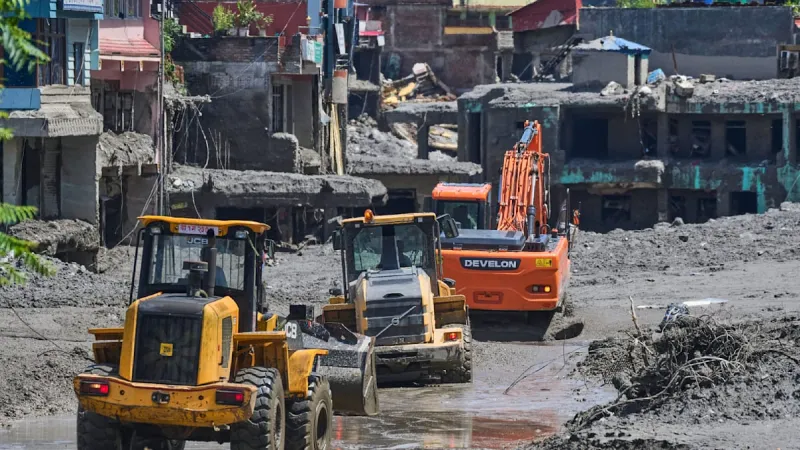
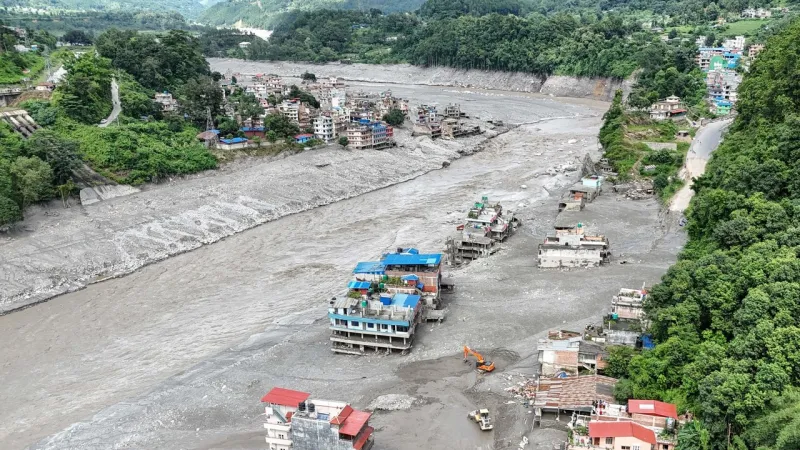
More than 1,300 individuals are now feared missing in Nepal following a catastrophic rock and mudslide that obliterated villages and key infrastructure across vast swathes of the Himalayan nation. The immense natural disaster, triggered by recent heavy rainfall, has unleashed a destructive torrent of earth and debris, leaving an indeterminate number of lives hanging in the balance as search and rescue operations intensify.
Southeast Asia correspondent Padma Rao reports from the ground that rescue teams face monumental challenges. Entire settlements have vanished beneath tons of mud and rock, rendering access to affected areas exceedingly difficult. Roads have been severed, bridges destroyed, and communication lines disrupted, isolating communities and complicating the assessment of the full extent of the human toll.
The current count of over 1,300 missing people marks a drastic escalation from initial estimates. Authorities are struggling to reconcile data, especially concerning foreign nationals. Earlier reports, such as one detailing Nepal Reports 517 Foreigners Missing, highlighted discrepancies with international bodies and neighboring countries like Beijing. This latest surge in unaccounted individuals compounds the already dire humanitarian crisis.
This disaster is characteristic of the fragile geological landscape of the Himalayas, prone to such events during monsoon seasons. Experts suggest the possibility of a glacial lake outburst contributing to the scale of the destruction, a phenomenon previously suspected in other devastating floods that have ravaged the region, as noted in previous coverage of Nepal Devastated by Suspected Glacial Lake Outburst.
The destructive power of the mudslide has not only buried homes but also vital agricultural land, which serves as the backbone of many rural economies in Nepal. The long-term implications for food security and livelihood will be severe, affecting thousands who relied on these now-destroyed resources.
International aid agencies are mobilizing, but logistical hurdles remain formidable. Helicopters are being deployed where possible to survey damage and airlift supplies, yet treacherous weather conditions and limited landing zones impede rapid response efforts. The immediate priority remains locating survivors and recovering those trapped.
Faced with this overwhelming disaster, the fate of many victims remains uncertain, with hope dwindling for some who may be buried deep beneath the debris. Families gather at makeshift relief camps, clinging to any news of their loved ones, while local officials coordinate with military units to expand the search perimeter.
Several related incidents have plagued the region recently, with earlier reports indicating Hundreds of Tourists Vanishing in Himalayan Floods affecting both Nepal and Tibet. The recurrent nature of these catastrophes underscores the urgent need for enhanced disaster preparedness and early warning systems in vulnerable areas.
The Nepalese government has declared a state of emergency in the most affected districts, appealing for international assistance. Resources are stretched thin, and the sheer scale of the devastation overwhelms local capabilities. The focus has shifted from immediate rescue to a more prolonged recovery effort, although the faint hope of finding survivors persists.
Previous flood events in Nepal, such as the one reporting 157 Dead, 466 Foreigners Missing, highlight the recurring tragic impact on both local populations and the significant number of international trekkers and visitors drawn to the Himalayan landscape. The current disaster appears to be among the most severe in recent memory, dwarfing earlier death tolls and missing person counts.
This incident has sparked renewed calls for global climate action, with environmental groups linking the increased frequency and intensity of such extreme weather events to climate change. As glacial melt accelerates and monsoon patterns become more erratic, Nepal and other vulnerable nations face an ever-growing threat from hydro-meteorological hazards.
Community leaders are working alongside government officials to set up temporary shelters, provide medical aid, and distribute essential supplies to those displaced. The psychological toll on survivors and rescue workers is immense, requiring long-term support beyond the immediate emergency phase.
As the hours pass, the grim reality of the situation settles over the devastated landscape. The scale of the missing — now surpassing 1,300 — indicates a tragedy of immense proportions, one that will undoubtedly leave an indelible mark on the nation and its people. The world watches, awaiting further updates from the embattled region.