 Robert Andrison
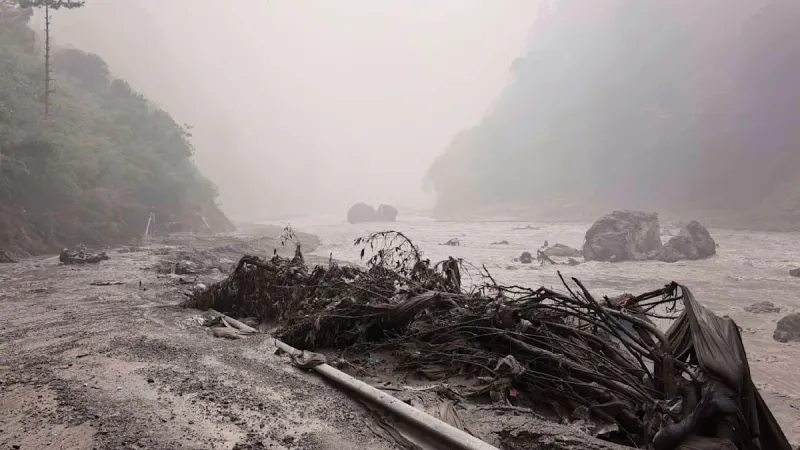
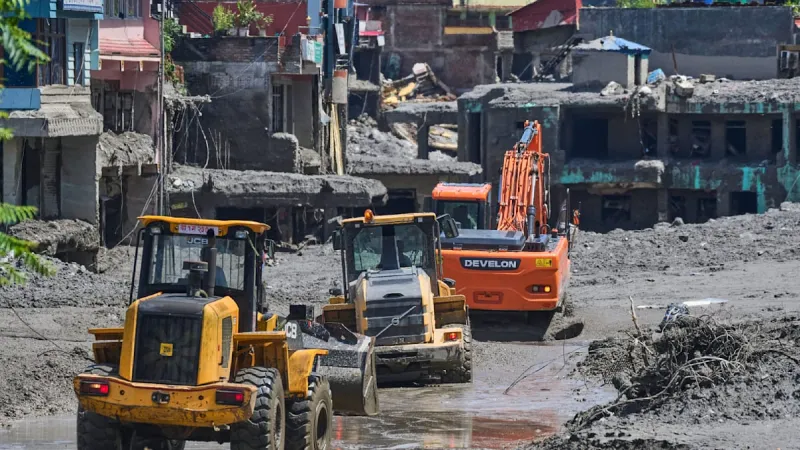
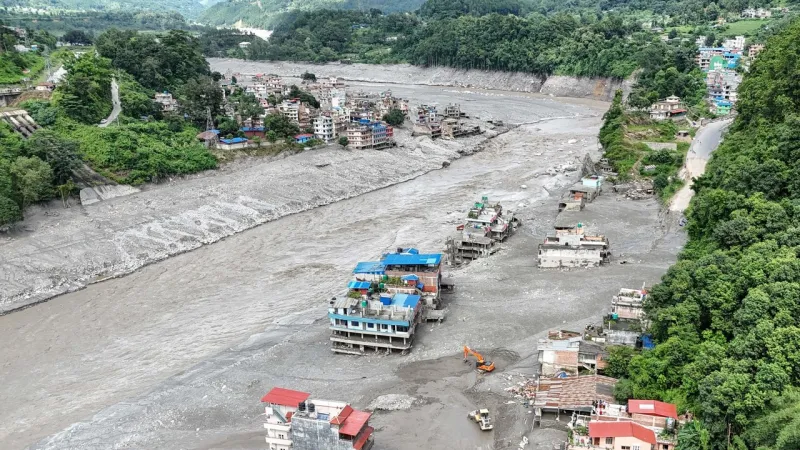
Kathmandu, Nepal – A catastrophic flash flood has unleashed widespread devastation across a popular tourist and trekking region in Nepal, with preliminary assessments pointing to a probable glacial lake outburst as the trigger for the immense torrents of water. The sudden deluge, which occurred recently, has transformed scenic landscapes into scenes of destruction, leaving authorities grappling with an unfolding crisis whose full impact is yet to be determined.
The precise scale of human and infrastructural loss remains under urgent evaluation, as emergency responders and local officials commence arduous assessment efforts. While the full extent of the calamity is still emerging, reports from affected areas describe scenes of widespread destruction, affecting both local communities and international visitors frequenting the Himalayan foothills.
Experts suggest that a glacial lake outburst flood, or GLOF, is the most likely culprit. This phenomenon occurs when natural dams holding back glacial meltwater suddenly collapse, releasing colossal volumes of water downstream with destructive force. Such events are becoming an increasing concern in high-altitude regions globally, particularly as climate change accelerates glacial melt.
The Himalayas, with their numerous glacial lakes, are particularly vulnerable to GLOFs. Rising global temperatures contribute to the rapid melting of glaciers, leading to the formation and expansion of these lakes, some of which are precariously perched behind unstable natural barriers of ice, sediment, or rock. When these barriers fail, the consequences are often catastrophic for downstream communities.
Though the immediate details surrounding the Nepal flood are still being pieced together, prior incidents in the region illustrate the severity of such events. Previous flash floods in the Himalayas have led to significant loss of life and extensive damage. For instance, a recent report highlighted that a similar crisis in the country saw the death toll reach 17 amid intensified rescue operations, further underscoring the grave nature of these hydro-meteorological hazards.
Indeed, earlier this year, a deadly wave of Himalayan floods resulted in 22 fatalities, with hundreds reported missing, prompting even international searches for missing citizens. While the current event is distinct, the tragic commonality points to a persistent and escalating threat posed by extreme weather patterns and glacial instability in the mountainous terrain.
The rugged terrain and remote nature of many affected areas present significant challenges for rescue and relief operations. Access routes are often obliterated by the surging waters, hindering the deployment of personnel and vital supplies. Communication networks frequently fail, isolating communities and complicating the real-time assessment of needs.
Beyond immediate human impact, the Nepal flood profoundly affects the region's delicate ecosystem and its tourism-dependent economy. Trekking routes, lodges, and infrastructure supporting the adventure tourism industry have been severely damaged, which will have lasting economic repercussions for a country that relies heavily on its natural beauty to attract visitors.
The Nepalese government has initiated emergency protocols, mobilizing resources to aid those affected. International agencies and neighboring countries are closely monitoring the situation, standing ready to offer assistance as the full scope of the disaster becomes clearer. The incident serves as a stark reminder of the global challenges posed by climate-induced environmental shifts.
This latest catastrophe will undoubtedly reignite discussions on enhanced early warning systems and infrastructure resilience in high-mountain environments. As climate models predict more frequent and intense extreme weather events, adapting to these new realities and mitigating their impact remains a critical priority for Nepal and other vulnerable Himalayan nations. The ongoing Nepal flood crisis underscores the urgency of addressing both immediate humanitarian needs and long-term climate adaptation strategies.
The world watches as Nepal grapples with this latest natural disaster. The immediate focus remains on search, rescue, and providing aid to survivors, while the long-term implications for the environment, economy, and the lives of thousands will continue to unfold in the weeks and months ahead.