 Demian Sahputra
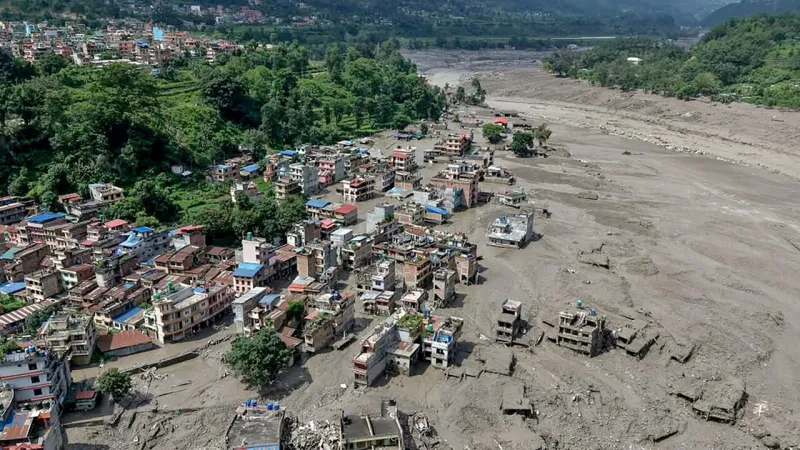
RASUWA, Nepal – Torrential floods have wrought havoc across the Rasuwa district of Nepal, bordering Tibet, resulting in the confirmed deaths of 22 individuals and leaving 291 foreign nationals unaccounted for. The Italian Ministry of Foreign Affairs, known as the Farnesina, has commenced intensive operations to locate approximately 90 Italian citizens believed to be within the affected zone, as rescue efforts intensify across the treacherous Himalayan terrain. The calamitous event has also prompted Chinese President Xi Jinping to activate maximum emergency relief measures.
The widespread devastation has transformed the rugged landscape of Rasuwa, a popular trekking and pilgrimage destination, into a perilous scene of mudslides and debris. Emergency responders face significant challenges navigating damaged infrastructure and isolating remote communities.
Local authorities, supported by national disaster response teams, are spearheading search-and-rescue missions. The priority remains locating survivors and recovering those trapped beneath the floodwaters and landslides, a task made more complex by the region's formidable geography and adverse weather conditions.
The large number of missing foreign nationals underscores the international character of the tragedy. Tourism forms a vital part of Nepal's economy, drawing adventurers and spiritual seekers to its mountains and valleys. Identifying and confirming the identities of the missing, and their nationalities, presents a formidable logistical undertaking.
In Rome, the Farnesina confirmed its direct engagement in the crisis, stating that it is actively working to establish contact with its citizens. Consular officials are coordinating with Nepalese authorities and other international bodies to ascertain the whereabouts and safety of the 90 Italians identified as being in the flood-stricken region.
Simultaneously, China's swift response, as directed by President Xi Jinping, highlights the cross-border impact of the disaster. Given Tibet's proximity, Chinese aid and rescue personnel are expected to play a crucial role in mitigating the crisis's effects, potentially offering both logistical support and specialized teams.
These latest floods represent a grim recurrence of natural disasters in the region. Nepal, situated in the seismic and monsoon-prone Himalayas, frequently contends with landslides and flash floods during its rainy season. A previous incident saw the Nepal flood crisis worsen, with a death toll reaching 17 just weeks prior, signaling a heightened period of vulnerability.
Environmental experts attribute the increasing frequency and intensity of such events partly to climate change, which contributes to erratic weather patterns and accelerated glacial melt, exacerbating the risks of catastrophic flooding in mountainous areas.
Relief organizations are mobilizing to provide humanitarian aid, including shelter, food, and medical supplies, to thousands displaced by the floods. The long-term recovery effort will necessitate substantial international support to rebuild homes, infrastructure, and livelihoods in the affected communities.
The full extent of the damage is still being assessed, but the immediate focus remains on rescue and recovery. The international community watches closely, ready to offer further assistance as Nepal grapples with one of its most severe natural disasters in recent memory.