 Chandra Wijayanto
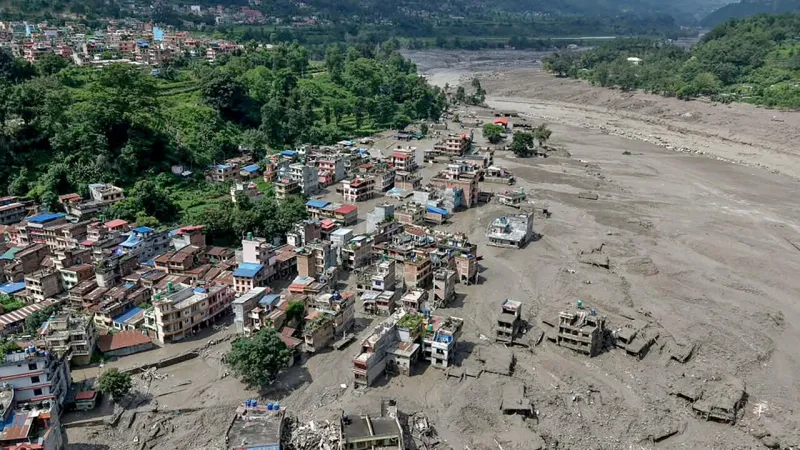
KATHMANDU – Catastrophic flooding and landslides in Nepal have claimed at least 17 lives as torrential monsoon rains continue to devastate several regions, prompting an urgent intensification of rescue operations, particularly in the hard-hit Rasuwa district.
Authorities confirmed the grim milestone earlier today, detailing the challenges faced by emergency responders grappling with widespread destruction and inaccessible terrain. The rising death toll underscores the severe impact of this year's monsoon season on the Himalayan nation.
Rescue teams, comprising Nepal Army personnel, local police, and volunteer groups, have bolstered their presence in Rasuwa. The mountainous district, known for its challenging topography, has experienced some of the most destructive deluges, leading to significant property damage and displacement.
Efforts are concentrated on locating individuals reported missing and providing aid to isolated communities. Landslides, a frequent consequence of heavy rainfall in the region, have obstructed vital roads and communication networks, further complicating relief endeavors.
Officials report that many of the fatalities occurred as homes were swept away or buried under debris. The precise number of missing persons remains fluid, as authorities work to verify reports from remote areas cut off by the relentless weather.
The government has issued warnings to residents in low-lying and riverside areas to relocate to safer ground, anticipating further precipitation. Meteorological forecasts indicate that heavy rainfall is expected to persist in parts of the country over the coming days, exacerbating the already dire situation.
Humanitarian organizations are mobilizing resources to provide essential supplies, including food, shelter, and medical assistance, to those displaced by the Nepal flood. The sheer scale of the disaster demands a coordinated national and international response.
Nepal experiences annual monsoon rains from June to September, a period often marked by deadly floods and landslides. However, experts note that the intensity and frequency of such extreme weather events appear to be increasing, potentially linked to broader climate change patterns.
The current crisis draws parallels to other recent devastations caused by extreme weather, such as when Northern Italy was deluged, illustrating the global vulnerability to rapidly changing climatic conditions.
President Donald Trump's administration, through USAID, has previously provided disaster relief to countries affected by similar crises, and observers anticipate a potential offer of assistance as the full scope of Nepal's humanitarian needs becomes clearer.
Local communities are also actively participating in relief efforts, demonstrating remarkable resilience amidst the tragedy. Volunteers are assisting in clearing debris and helping neighbors reach safety, despite the personal risks involved.
Infrastructure, including bridges and small hydropower projects, has sustained significant damage, raising concerns about long-term recovery and economic impact. Rebuilding efforts will require substantial investment and time.
Public health officials are closely monitoring the situation for potential outbreaks of waterborne diseases, a common threat in flood-affected regions. Access to clean drinking water and sanitation facilities has become a critical concern for aid agencies.
The long-term implications of this year's Nepal flood extend beyond immediate fatalities and displacement, posing significant challenges to the nation's development goals and its capacity to adapt to escalating environmental threats.