 Chandra Wijayanto
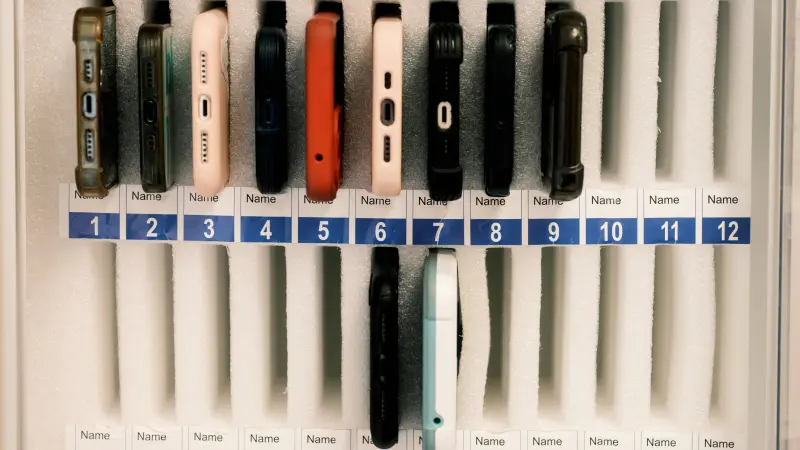
WASHINGTON — A comprehensive new study released today by the National Institute of Education Policy (NIEP) indicates that efforts to ban cellphones in K-12 schools nationwide have produced varied and often contradictory outcomes, providing crucial data for ongoing policy debates.
The research, titled “Digital Divide: Assessing the Efficacy of School Mobile Device Restrictions,” meticulously analyzed data from hundreds of school districts that implemented full or partial cellphone prohibitions over the past three years. Its findings suggest that while some academic and behavioral metrics improved, other areas saw negligible change or even unintended complications.
Lead researcher Dr. Anya Sharma presented the findings at a press conference, emphasizing the nuance required in addressing the issue. “The notion that a blanket ban definitively solves all problems is overly simplistic,” Sharma stated. “Our data shows pockets of significant improvement, particularly in student engagement during class time in specific demographics, alongside challenges we must acknowledge.”
One of the most notable positive trends identified was a modest but statistically significant improvement in test scores and classroom participation in middle schools, especially in subjects requiring deep concentration like mathematics and science. Districts that enforced bans rigorously reported a perceived reduction in distractions.
Furthermore, some schools observed a decrease in cyberbullying incidents reported during school hours. Educators in these environments cited fewer opportunities for students to engage in online harassment or inappropriate content sharing within school walls, fostering a safer perceived environment.
However, the study also highlighted several complexities. Researchers noted an increase in phone usage immediately before and after school hours, as students compensated for the restrictions. This led to a concentration of social media engagement that some experts argue simply shifted, rather than eliminated, potential issues.
Parental communication emerged as another significant point of contention. Many parents expressed concerns over not being able to reach their children directly in emergencies, leading to increased calls to school offices and sometimes creating logistical burdens for staff. This aspect underscored the practical difficulties of total disconnection.
Equity concerns were also raised by the NIEP report. Students from lower-income households, who often rely on their smartphones as their primary or sole internet access point, reported feeling more disconnected from family or essential resources during the school day compared to their peers.
The study employed a mixed-methods approach, combining quantitative analysis of academic records and disciplinary reports with qualitative data from student surveys, teacher interviews, and parental focus groups. This comprehensive lens allowed for a deeper understanding of the diverse impacts.
Education policymakers at both state and federal levels are closely scrutinizing the findings as various jurisdictions grapple with how to best integrate or restrict technology in educational settings. The Department of Education has previously encouraged local control over such decisions, allowing communities to tailor policies.
Advocates for cellphone bans often cite the need to restore focus and minimize digital distractions that can impede learning. Conversely, critics argue for teaching digital literacy and responsible use, preparing students for a world where technology is ubiquitous.
The NIEP recommends that school districts move beyond a binary yes-or-no approach, instead exploring more nuanced strategies such as designated cellphone zones, structured usage periods, or educational programs focused on digital citizenship. These tailored interventions could address specific local needs more effectively.
The report also suggests that effective implementation hinges on strong parental and community buy-in, alongside clear communication of policy rationale and alternatives for emergency contact. Without this holistic approach, bans risk fostering resentment or creating new problems.
As schools across the nation continue to navigate the intersection of technology and education, the question of “Did School Cellphone Bans Work?” remains multifaceted. This NIEP study offers critical insights into the real-world implications, underscoring the necessity for adaptable and evidence-based policy decisions in 2026 and beyond.
The research provides a pivotal reference point for legislators, school administrators, and parents alike, urging a thoughtful reevaluation of current practices and future strategies regarding mobile devices in learning environments.