 Stefani Rindus
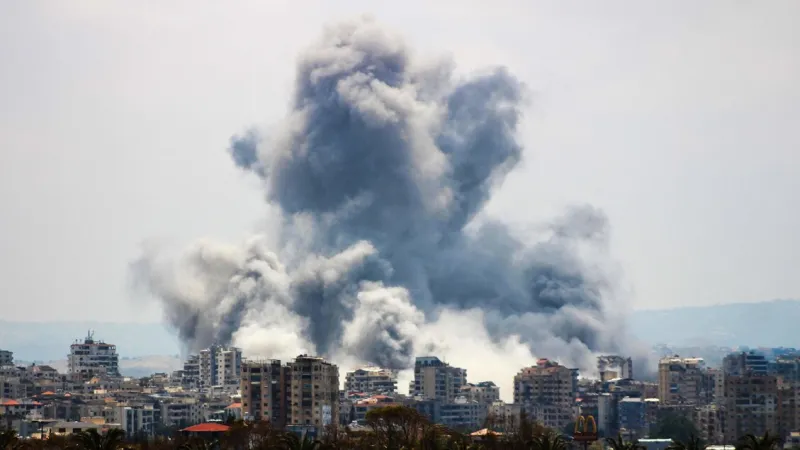
WASHINGTON – Hezbollah has reportedly accepted a United States-brokered ceasefire proposal aimed at de-escalating the simmering conflict in the Middle East, a development confirmed by media sources today as President Donald Trump simultaneously announced ongoing diplomatic discussions with Iran. The reported agreement, which has garnered cautious optimism among international observers, comes amidst heightened regional tensions and follows extensive mediation efforts.
The alleged acceptance by the Lebanese militant group marks a significant, albeit preliminary, step toward stabilizing a volatile region that has witnessed escalating skirmishes. Details of the US proposal remain largely undisclosed, but it is understood to address an immediate cessation of hostilities.
President Trump, speaking from the White House, affirmed that talks with Iran are continuing, signaling a broader diplomatic push beyond the immediate Lebanese frontier. This revelation suggests a multifaceted approach by the US administration to address the intricate security landscape of the Middle East.
In a related development, President Trump revealed he had conversed with Israeli Prime Minister Benjamin Netanyahu, reassuring him that "there will be no troops in Beirut." This statement likely aims to allay Israeli concerns about any potential US military presence that could complicate regional dynamics or be perceived as a strategic shift.
Echoing calls for de-escalation, Italian Defense Minister Guido Crosetto underscored the fundamental prerequisite for peace. "Peace starts from the end of hostilities," Crosetto stated, reinforcing the international communitys widespread desire for a cessation of violence as a precursor to any lasting resolution.
Further underscoring the complex diplomatic web, Pakistan confirmed that Tehran had requested its continued mediation efforts. This indicates Iran's willingness to engage through intermediaries even as direct talks with the US are acknowledged by President Trump, suggesting a pragmatic approach to sensitive negotiations.
The backdrop to these developments is a period of intense instability across the Levant, with frequent cross-border incidents and increasing rhetoric from various factions. The prospect of a Hezbollah ceasefire is therefore viewed as a critical opportunity to prevent wider conflagration.
Previous reports indicated Iran's sensitivity to regional developments, with statements like "Iran Halts US Talks Amid Lebanon Escalation; Threatens Hormuz Closure" highlighting how intertwined the Lebanese situation is with broader Iranian foreign policy and strategic calculations.
For Lebanon, a ceasefire could offer a much-needed reprieve from the economic and social strains exacerbated by prolonged conflict along its southern border. The country has been grappling with myriad internal challenges, and external stability is paramount.
The international community has consistently called for restraint and dialogue, viewing any cessation of hostilities as a positive step. The reported US proposal, if fully implemented, would represent a significant diplomatic achievement in a region notoriously resistant to peace initiatives.
Despite these optimistic reports, numerous hurdles remain. The specifics of troop withdrawals, border demarcations, and guarantees against future aggression would need meticulous negotiation and robust enforcement mechanisms. Trust remains a scarce commodity among the various parties.
The continuation of US-Iran talks, as confirmed by President Trump, suggests a potential avenue for addressing deeper, long-standing grievances that fuel regional instability. These discussions, separate from the immediate ceasefire, could pave the way for broader security architecture.
The involvement of multiple regional and international actors – from the US and Italy to Pakistan and Iran – illustrates the intricate network of dependencies and influences in the Middle East. Each nation plays a role, however large or small, in shaping the collective security environment.
Past attempts at de-escalation in the Middle East have often been fraught with difficulty, serving as a reminder that initial agreements are only the beginning of a long and arduous peace process. Sustained commitment from all stakeholders remains essential.
Beyond the immediate security concerns, a lasting peace could unlock significant economic benefits for the region, fostering trade, investment, and infrastructure development that are currently hampered by geopolitical instability.
Any successful ceasefire would necessitate robust monitoring and verification mechanisms to ensure compliance by all parties. International bodies or neutral states would likely play a crucial role in overseeing such arrangements to build confidence.
The Middle Easts geopolitical stability is intrinsically linked to global energy markets. A sustained de-escalation could bring a measure of predictability to oil prices, benefiting the global economy.
While the news of Hezbollahs reported acceptance of a ceasefire proposal and ongoing talks with Iran presents a glimmer of hope, the path to enduring peace in the Middle East remains complex and fraught with challenges. Diplomatic tenacity and unwavering commitment will be crucial in the days and weeks ahead.