 Angela Stefani
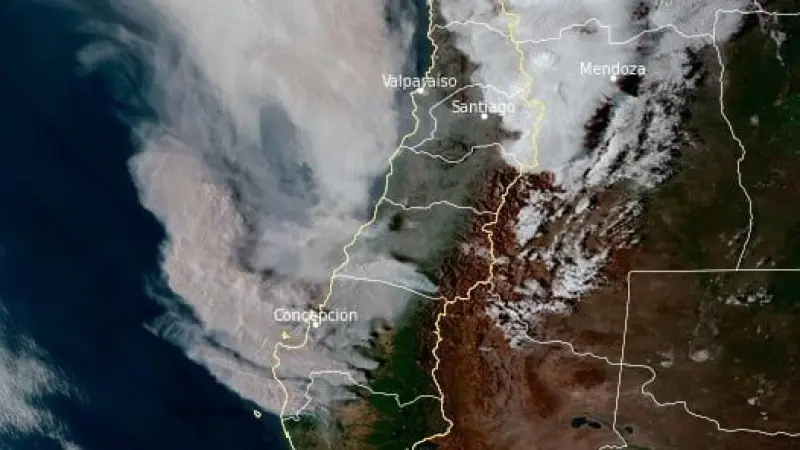
ATLANTA — Two immense wildfires are currently ravaging vast swathes of Georgia, destroying more than 100 homes and scorching over 38,000 acres across multiple counties as emergency crews battle the blazes. The catastrophic fires have forced thousands of residents to evacuate, creating an urgent crisis for the state as authorities work to contain the rapidly spreading infernos.
The twin infernos, dubbed the “Pine Ridge Fire” in southern Georgia and the “Oakwood Blaze” near the central part of the state, escalated dramatically over the past 72 hours, fueled by persistent drought conditions and high winds. State forestry officials confirm that containment efforts remain challenging due to the terrain and prevailing weather patterns.
Residents from at least four counties have been ordered to evacuate their homes, seeking shelter in community centers and hotels. The Georgia Emergency Management Agency reports that over 5,000 people have been displaced, with that number expected to rise as the Georgia wildfires continue their destructive path.
Firefighting units from across Georgia, supported by inter-state mutual aid, are deploying ground crews, air tankers, and helicopters in a concerted effort to establish firebreaks and protect critical infrastructure. Governor Brian Kemp declared a state of emergency earlier this week, mobilizing additional resources and personnel.
The economic toll on the affected regions is already substantial. Beyond the loss of residences, agricultural lands, timber operations, and small businesses have suffered immense damage. Experts project that recovery and rebuilding efforts will require hundreds of millions of dollars and several years.
President Donald Trump has been briefed on the escalating crisis and has assured Governor Kemp of full federal support. FEMA teams are on the ground, coordinating relief efforts and assessing damage, promising expedited assistance to those affected by the Georgia wildfires.
Environmental scientists express grave concerns over the long-term impact on Georgias delicate ecosystems. The destruction of forests and natural habitats could lead to soil erosion, water quality issues, and significant loss of biodiversity, affecting wildlife populations for decades.
Community efforts to support the displaced have been robust, with volunteers organizing donation drives for food, clothing, and essential supplies. Local charities are working tirelessly to provide comfort and immediate aid to families who have lost everything to the relentless blazes.
Investigators are working to determine the origin of both fires, though early assessments suggest human activity may have played a role, potentially exacerbated by the dry conditions. Authorities urge extreme caution regarding outdoor burning and recreational activities in drought-stricken areas.
With weather forecasts predicting continued low humidity and strong winds, the immediate future remains precarious for many communities. State officials emphasize that public safety is the paramount concern as they continue to monitor the Georgia wildfires evolving threat.
The sheer scale of the devastation from the Georgia wildfires serves as a stark reminder of the increasing frequency and intensity of extreme weather events. Experts are calling for renewed focus on proactive forest management and climate resilience strategies to mitigate future disasters.
The spirit of resilience among Georgians, despite facing such widespread destruction, has been a beacon of hope amid the tragedy. Plans are already underway to establish long-term recovery centers and support networks for those embarking on the daunting task of rebuilding their lives.