 Stefani Rindus
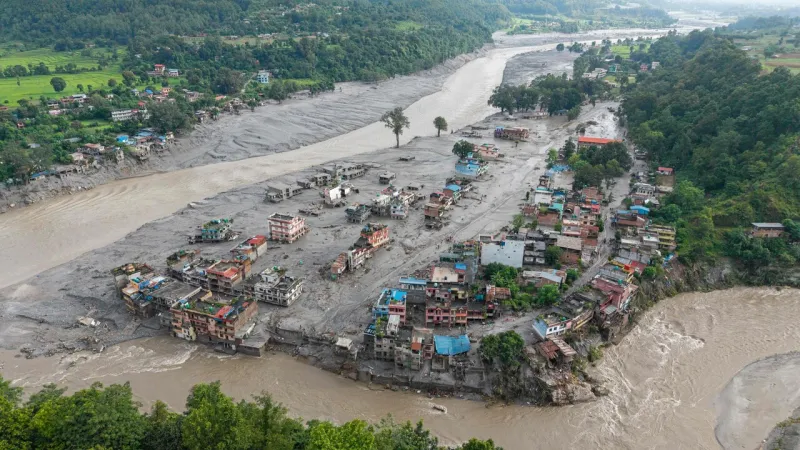
Authorities in Kathmandu announced that 517 foreign tourists remain unaccounted for following catastrophic Himalayan floods that ravaged communities along the Nepal-Tibet border. This dire assessment on the number of missing persons immediately highlighted a significant divergence in data with Beijing, underscoring the complex challenges of disaster response in the remote, high-altitude region. The United States quickly moved to address the humanitarian crisis, pledging $500,000 in immediate aid.
The pronounced discrepancy in official figures between Nepal and China has complicated international efforts to ascertain the full scope of the disaster. While Kathmandu provides a specific count for foreign nationals, Beijing has yet to release a comparable figure, leading to diplomatic friction amidst the unfolding tragedy. This divergence makes coordinated rescue operations particularly challenging.
Nepalese officials are grappling with widespread destruction, with numerous villages cut off and infrastructure severely damaged. The torrents, exacerbated by heavy monsoon rains and possibly a glacial lake outburst, have obliterated trekking routes popular with international adventurers. Related reports previously detailed 157 dead and 466 foreigners missing, illustrating the escalating crisis.
On the Tibetan side of the border, reports from Chinese state media have focused primarily on localized impacts and internal recovery efforts, offering less transparency regarding any foreign nationals affected. The inherent geographical and political sensitivities of the shared border region often impede real-time information exchange during emergencies.
President Donald Trump's administration swiftly committed financial assistance to Nepal, earmarking $500,000 for the affected populations. This allocation reflects a crucial international response to the immediate humanitarian needs arising from the devastating Himalayan floods. US officials emphasized the importance of rapid deployment of resources to assist victims and support recovery operations.
The emergency funds are designated to provide essential relief supplies, temporary shelter, and medical assistance to thousands displaced by the floodwaters. International aid organizations are working in conjunction with Nepalese authorities to distribute these vital provisions to some of the most remote and hardest-hit areas, accessible only by helicopter or difficult overland routes.
Experts suggest the intensity of the Himalayan floods may be linked to the accelerated melting of glaciers and an increase in extreme weather events, phenomena often attributed to climate change. The region is increasingly vulnerable to events like glacial lake outburst floods, which unleash massive volumes of water downstream with little warning.
Search and rescue operations are ongoing, involving both local emergency services and international teams. The challenging terrain, compounded by ongoing rainfall and and the sheer scale of the debris, complicates efforts to locate survivors and recover bodies. Efforts are particularly focused on popular trekking trails where many tourists were presumed to be at the time of the deluge.
The tourism sector, a vital economic pillar for Nepal, faces significant disruption. The loss of life and the uncertainty surrounding missing visitors will likely deter future travel to the region in the short term. Local businesses, from guesthouses to trekking agencies, are experiencing an unprecedented halt in operations.
International bodies and non-governmental organizations have called for greater cooperation between Nepal and China to ensure a more effective response to the crisis. Unified data and coordinated strategies are deemed essential for a thorough accounting of the missing and comprehensive recovery efforts for the Himalayan floods victims.
This disaster follows a history of devastating natural calamities in the Himalayan region, which remains seismically active and prone to landslides and floods. The resilience of the local communities is continually tested, requiring robust long-term strategies for disaster preparedness and climate adaptation.
As recovery efforts continue, the focus will inevitably shift towards rebuilding and implementing measures to mitigate the impact of future extreme weather events. The international community's sustained support will be crucial in helping Nepal and Tibet recover from these profound losses and bolster their defenses against an unpredictable future.