 Chandra Wijayanto
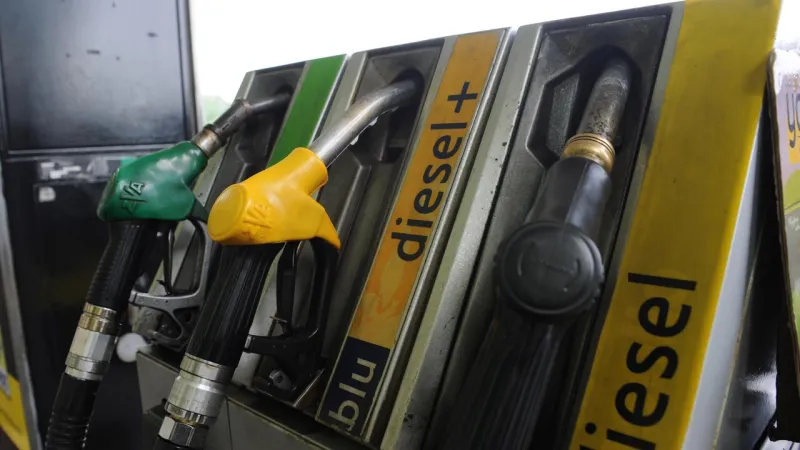
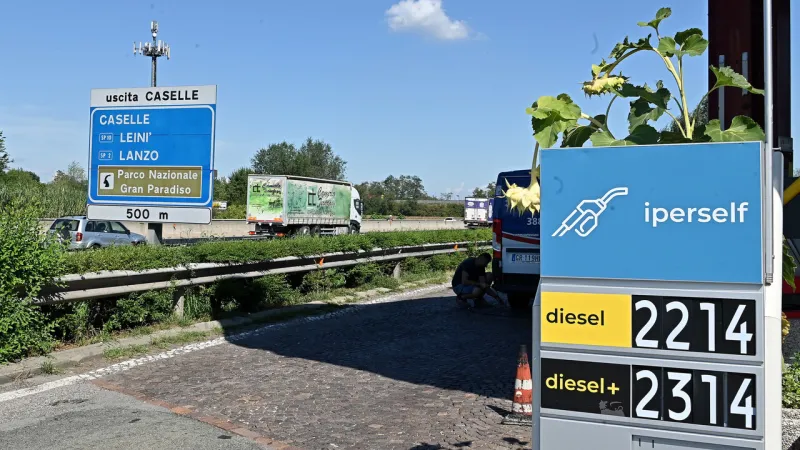
ROME – Italian consumers are confronting a notable increase in fuel and diesel prices this week, following the government's decision to discontinue previously implemented excise duty reductions. The policy shift, which took effect immediately, has resulted in an average surcharge of approximately three euros for a full tank of gasoline or diesel, sparking renewed concerns among motorists and industry stakeholders.
The resurgence in prices marks a significant reversal from the period when government subsidies buffered consumers from global energy market fluctuations. The cessation of these excise tax cuts effectively transfers the full burden of fuel costs back to the individual, impacting household budgets nationwide.
Industry analysts indicate that the average cost per liter has climbed steadily since the cuts were rolled back. For a typical family car with a 50-liter fuel tank, this translates directly to a three-euro increase, a figure that, while seemingly modest, accumulates quickly for frequent drivers and businesses.
Fuel station operators, known as gestori, have voiced their apprehension regarding the broader economic landscape. They highlight that the state treasury already faces substantial losses, estimated at 12 billion euros annually, primarily due to the pervasive issue of illegal fuel trade and tax evasion within the sector.
While distinct from the direct impact of the excise duty reinstatement, operators argue that such illicit activities exacerbate the financial strain on legitimate businesses and the national budget, potentially limiting the government's flexibility in implementing future consumer relief measures.
Motorists across Italy have expressed frustration and dismay over the escalating costs. Many rely on personal vehicles for daily commutes and essential travel, and the sudden increase presents an unwelcome addition to their cost of living.
Economists warn that rising fuel prices could ripple through various sectors of the economy, potentially driving up costs for transportation, logistics, and goods. This inflationary pressure could impede economic recovery efforts and further strain consumer purchasing power.
The government has yet to issue a detailed statement outlining its long-term strategy for managing energy costs or addressing the concerns raised by the fuel operators. The decision to remove the excise duty cuts was widely anticipated as a measure to stabilize public finances, but its immediate effects are undeniably being felt.
Historically, governments often introduce such tax reductions during periods of high global oil prices or economic uncertainty to shield citizens. Reversing these measures typically signifies a government's assessment of improved fiscal health or a strategic shift in economic policy.
The coming weeks will reveal whether the current price trend stabilizes or continues its upward trajectory. Observers anticipate close monitoring of global oil benchmarks and any potential government interventions that might alleviate the burden on consumers.
The association of gestori reiterated its call for stricter enforcement against illicit fuel markets, emphasizing the 12 billion euro annual shortfall to the treasury. This significant sum, they contend, could be redirected towards public services or future economic stimulus if effectively recovered.
As fuel tanks grow more expensive, public discourse is likely to intensify, pressing policymakers for sustainable solutions that balance fiscal responsibility with consumer affordability. The immediate future of personal and commercial transportation costs remains a central point of national economic discussion.