 Angel Doris
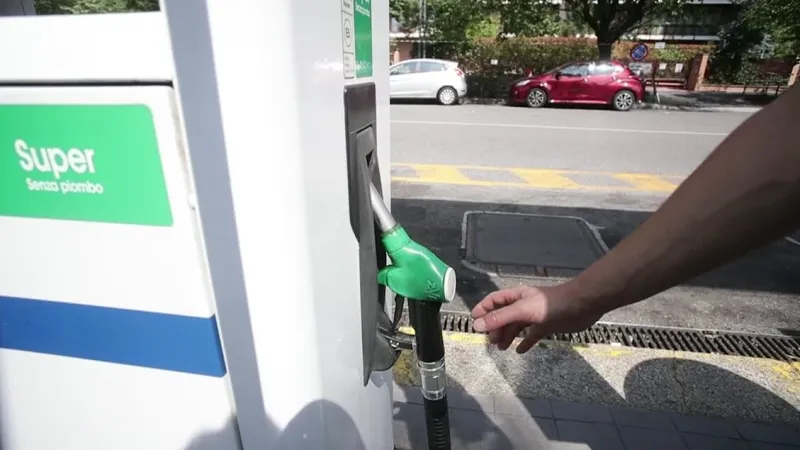
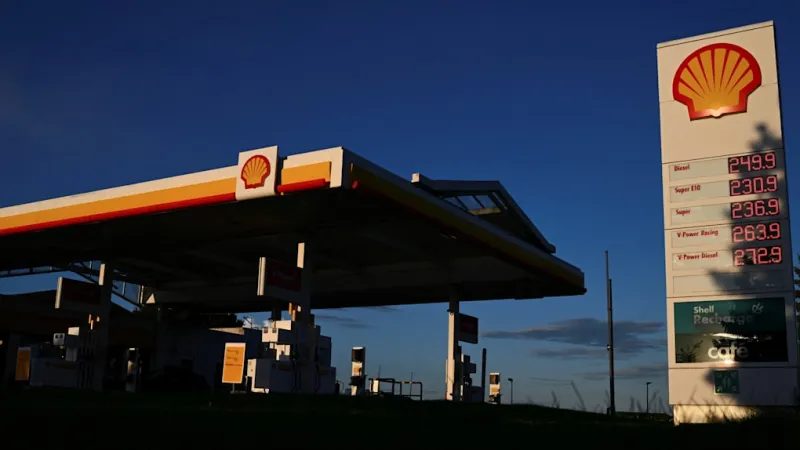
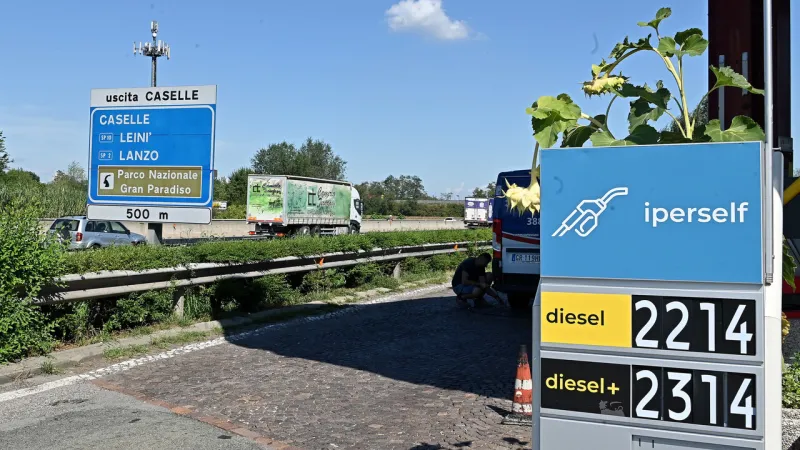
ROME – The Italian government has officially prolonged significant excise duty reductions on fuel, granting motorists immediate savings at the pump. The decree extends the previous cuts until July 3, 2026, with diesel and gasoline prices seeing a uniform reduction of five cents per liter. This measure aims to mitigate the burden of elevated energy costs on consumers and businesses across the nation.
The latest governmental decision builds upon earlier interventions designed to stabilize the volatile energy market. These excise duty cuts, initially introduced as a temporary relief measure, have now received another extension, underscoring the ongoing economic considerations faced by the Italian populace. The impact is direct and tangible for daily commuters and logistical operations.
Specifically, the reduction applies to both diesel and gasoline. The previous 10-cent cut has been adjusted to a five-cent reduction. While a 50% decrease in the government's intervention, the continuation of any relief is welcomed by a public sensitive to fluctuating fuel costs. This adjustment reflects a careful balancing act between fiscal responsibility and consumer support.
Italy, like many European nations, has contended with fluctuating global energy prices, exacerbated by geopolitical tensions and supply chain disruptions. The initial implementation of excise duty cuts provided a crucial buffer against sharp price hikes, shielding households and industries from the full brunt of market volatility.
For the average Italian driver, these continued discounts translate into noticeable, albeit modest, savings over time. Given the widespread reliance on private vehicles and commercial transport, even small reductions in fuel costs can collectively impact household budgets and operational expenses for businesses.
Government officials have consistently framed these measures as essential for maintaining economic stability. While a long-term strategy for energy independence and sustainable pricing remains a priority, short-term fiscal interventions like these are deemed necessary to manage immediate cost-of-living pressures. The extension until July 3, 2026, provides a defined period for this continued relief.
Economists are closely monitoring the broader implications of such prolonged subsidies. While beneficial for consumers, these fuel tax cuts represent foregone revenue for the state, potentially impacting other areas of public spending or requiring alternative revenue streams. The balance between stimulating the economy and fiscal prudence is a constant challenge for policymakers.
The uniform five-cent reduction for both diesel and gasoline simplifies the application of the measure at the pumps, ensuring a consistent benefit across different vehicle types. This standardization aims for equitable distribution of the relief across all segments of the driving population.
Beyond immediate price interventions, the Italian government continues to pursue broader energy policies, including investments in renewable sources and efficiency improvements. These long-term goals are intended to create a more resilient energy landscape, less susceptible to external price shocks, thereby potentially lessening the future need for such excise duty adjustments.
While the halving of the initial reduction might draw some critical scrutiny, the continuation of any discount is generally met with public approval, especially as summer travel seasons approach. Consumers typically appreciate any effort to ease financial burdens related to essential expenditures like fuel.
Finally, the expiration date of July 3, 2026, sets a clear timeline for the current policy. As this date approaches, the government will likely reassess global energy market conditions, national economic indicators, and fiscal capacity to determine whether further extensions or adjustments to the excise duties will be necessary. This ongoing evaluation reflects a responsive approach to economic management in a dynamic global environment.