 Dorry Archiles
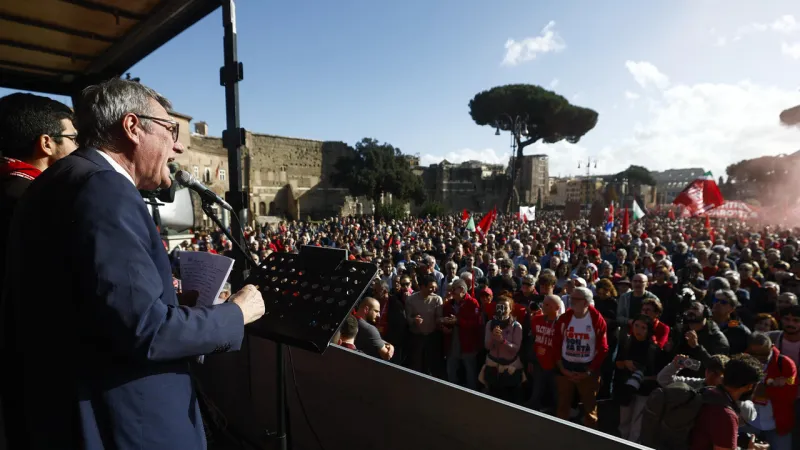
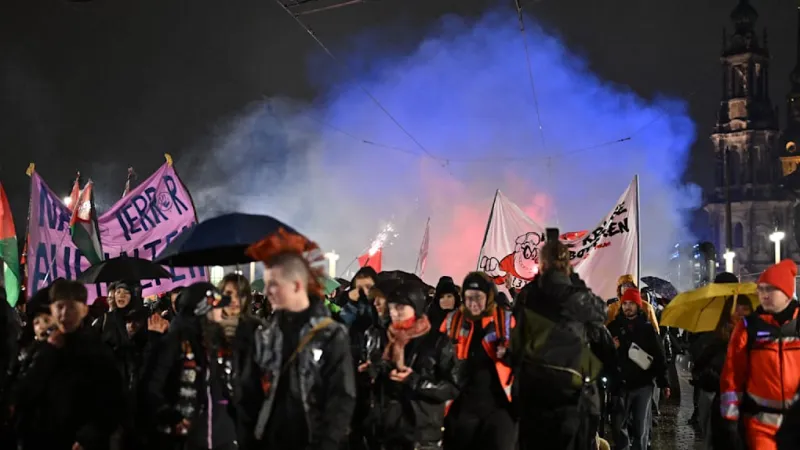
ROME - Italy's largest trade union, Cgil, spearheaded a monumental wave of protests across 100 cities today, mobilizing an estimated 1.5 million participants against the government's controversial fiscal maneuver. The confederation declared its intent to stage a sit-in at Parliament if the budget law remains unaltered, asserting the government appeared confused by the widespread dissent.
The demonstrations represent a significant challenge to the current administration's economic agenda, with union leaders articulating deep dissatisfaction over proposed budget allocations and reforms. The Cgil protest, which spanned the breadth of the nation, underscored growing public apprehension regarding economic stability and social equity.
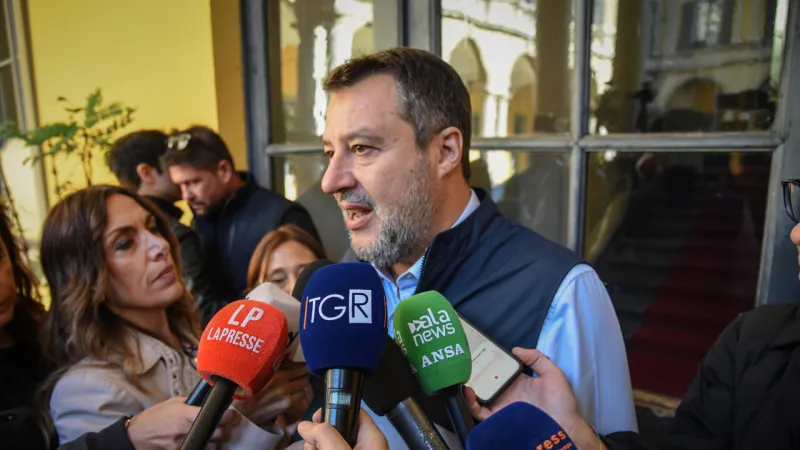
Maurizio Landini, Cgil general secretary, conveyed the union's unwavering resolve. During a key address in the capital, Landini stated, "We are one and a half million people today, and if the maneuver does not change, we will escalate our actions with a permanent presence at Parliament." This declaration signals a determined stance by organized labor.
The union argues that the government's fiscal policies fail to adequately address the pressing needs of workers, pensioners, and vulnerable populations. Critics within Cgil point to perceived shortcomings in provisions for public services, employment safeguards, and equitable taxation.
While the Cgil protest claimed substantial numbers across Italy, a related development involved public administration employees. Initial reports indicate less than 12% of public administration personnel joined a general strike, suggesting varied levels of engagement within different sectors of the workforce.
This discrepancy in strike participation could reflect nuances in how different segments of the public sector perceive the budget law's impact, or perhaps the effectiveness of various union calls for action. Despite this, the widespread demonstrations remain a powerful display of civil opposition.
The government has largely maintained a firm position on its budget proposals, emphasizing the necessity of fiscal discipline and structural reforms to bolster Italy's long-term economic health. However, the sheer scale of the Cgil protest presents a considerable political hurdle for policymakers.
Political analysts are closely monitoring the situation, as sustained union pressure could compel the government to reconsider certain aspects of its fiscal policy. The coming weeks will be critical in determining whether the government makes concessions or holds steadfast against the Cgil protest movement.
The ongoing debate over Italy's fiscal direction highlights broader European challenges concerning national budgets, social welfare, and economic recovery in the post-pandemic era. The balance between austerity and social protection remains a contentious point across the continent.
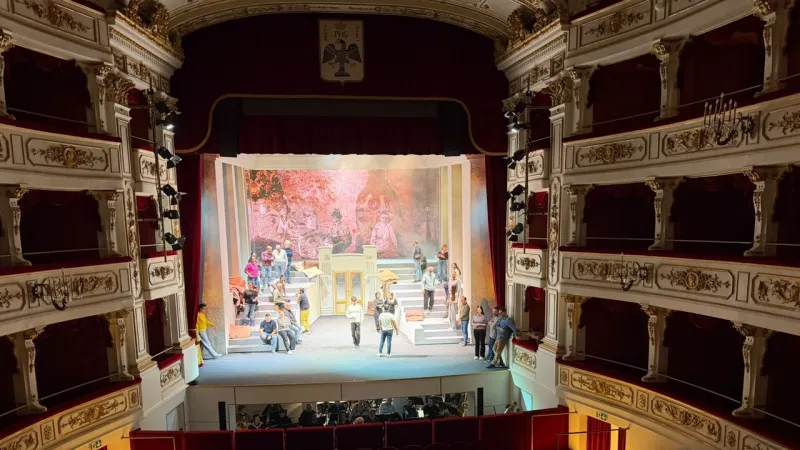
Prime Minister Giorgia Meloni's administration, like previous Italian governments, faces the complex task of balancing economic stability with social demands. Public reaction to cultural events, as seen when Meloni witnessed a performance in L'Aquila, often provides a backdrop to these more serious political discussions.
The union's commitment to further action, including the threat of a parliamentary sit-in, underscores a readiness to escalate tactics if their demands are not met. This could lead to a protracted period of political tension and public discourse on national priorities.
Observers note that the Cgil's ability to mobilize such a large number of citizens across numerous cities demonstrates its enduring organizational power and influence within Italian society. This mass mobilization serves as a potent reminder of labor's capacity to shape national policy debates.
The government's response to the Cgil protest will be crucial. A perceived failure to engage constructively with union concerns could further erode public trust and potentially destabilize the political landscape. Conversely, any significant concessions could be viewed as a sign of flexibility.
As the budgetary process unfolds, the eyes of the nation remain fixed on Parliament, anticipating whether the substantial pressure from the Cgil protest will ultimately sway the legislative outcome. The resolution of this standoff will have lasting implications for Italy's economic trajectory and social contract.