Angela Stefani
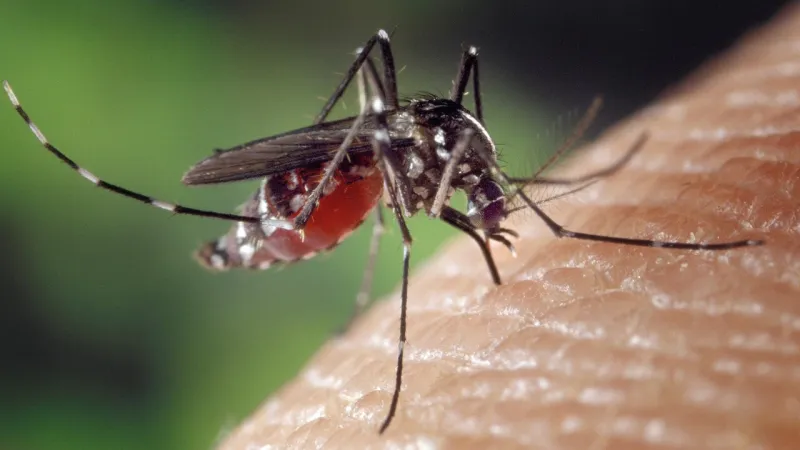
ROME – Public health experts and microbiologists are issuing urgent warnings regarding the escalating threat posed by vector-borne diseases such as West Nile virus and malaria, advocating for robust, state-sponsored surveillance and disinfestation campaigns. A prominent microbiologist emphasized that "prevention cannot be delegated to individual citizens," underscoring the critical need for systemic public health interventions to curb potential outbreaks.
The call comes amid growing concerns about the resurgence and expansion of these diseases, which historically have placed significant burdens on healthcare systems and public welfare. Experts highlight that environmental factors, coupled with insufficient organized responses, are creating conditions ripe for broader transmission.
Delegating primary prevention responsibilities to individuals, such as advising personal repellent use or home mosquito control, presents an inherently flawed strategy. It overlooks socio-economic disparities, varying levels of public awareness, and the sheer scale required to effectively manage disease vectors across vast geographical areas.
Effective control measures necessitate coordinated action from public health authorities, involving widespread monitoring of mosquito populations, comprehensive larval and adulticide treatments, and rapid response protocols for detected cases. These efforts demand significant financial investment and logistical capabilities typically beyond individual reach.
West Nile virus, primarily transmitted by mosquitoes, can cause severe neurological diseases in humans, including encephalitis and meningitis. While many infections are asymptomatic, the virus can be deadly, particularly for the elderly and immunocompromised. Its geographical reach has steadily expanded, posing a persistent challenge to regions once considered low-risk.
Malaria, though largely eradicated in many developed nations, remains a global health crisis, and isolated cases or local transmission events in non-endemic areas serve as stark reminders of its potential re-emergence. Climate change, fostering warmer temperatures and altered rainfall patterns, contributes to suitable breeding grounds for the Anopheles mosquito vector.
Historical public health campaigns demonstrate the efficacy of large-scale, centrally managed programs in controlling and eliminating vector-borne diseases. From the successful eradication efforts against malaria in various European and North American regions in the last century to targeted responses against emerging arboviruses, collective action has consistently proven superior.
Beyond human suffering, outbreaks carry substantial economic ramifications. Healthcare costs surge, productivity declines due to illness, and tourism sectors can suffer significant blows. Proactive prevention, while requiring initial investment, ultimately proves more cost-effective than reactive crisis management.
Policy makers are urged to prioritize robust funding for epidemiology, entomology, and public health infrastructure. This includes training specialized personnel, equipping laboratories for rapid diagnostics, and establishing clear communication channels for public awareness campaigns led by credible scientific bodies.
A sustainable approach to managing infectious diseases requires a long-term vision that integrates environmental management, community engagement, and scientific research. It is a shared societal responsibility that cannot afford fragmentation or neglect.
The microbiologist's assertion rings particularly true in an interconnected world where pathogens can spread rapidly. Protecting public health demands collective vigilance and systemic safeguards, moving beyond the notion that individual diligence alone can stem the tide of sophisticated biological threats.