 Edward DP Situmorang
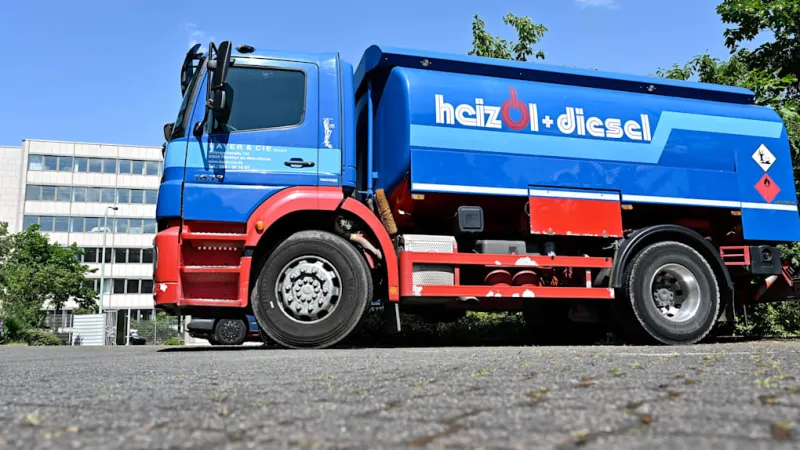
Berlin – German state governors from both the Social Democratic Party (SPD) and the Christian Democratic Union (CDU) are pressing the federal government for immediate relief measures benefiting heating oil customers. This urgent appeal arrives promptly after the recent parliamentary approval of a national fuel discount, highlighting a broader push to mitigate escalating energy costs across households.
The newly enacted fuel discount, or Tankrabatt, aims to ease the burden on motorists by temporarily reducing excise taxes on gasoline and diesel. Its passage was intended to provide tangible financial relief directly at the pump, a response to sustained high energy prices impacting daily commutes and logistics.
However, state leaders contend that the exclusive focus on motor fuel overlooks a significant portion of the population reliant on heating oil for their homes, particularly in rural areas or regions less connected to natural gas networks. They argue that this demographic faces equally, if not greater, financial strain from surging prices.
Initial discussions have centered on extending a similar energy tax reduction to heating oil. Yet, a consensus among the governors suggests that a direct energy tax cut for heating oil would yield considerably less impact than anticipated, failing to deliver substantial relief to consumers.
Instead, the state premiers are advocating for a “better alternative,” a more targeted and effective mechanism to alleviate the financial pressure on these households. While specific details remain under formulation, proposals are believed to include direct subsidies, relief funds, or voucher systems.
The timing of these demands underscores a growing political imperative to address cost-of-living concerns comprehensively. With the fuel discount now a reality, the spotlight has rapidly shifted to other critical household expenses, with heating costs being paramount as colder months approach or persist.
Voices from the Green Party, a key coalition partner, have previously criticized the broad nature of the fuel discount, labeling it as costly and untargeted. This perspective aligns somewhat with the governors’ call for more effective, perhaps means-tested, heating oil relief. For instance, the article Greens Denounce Fuel Discount As Costly, Untargeted Policy detailed these concerns.
State leaders emphasize that while driving is an option for many, heating homes is a fundamental necessity. The socioeconomic impact of exorbitant heating oil prices could be severe, potentially pushing vulnerable households into energy poverty if no decisive action is taken.
The challenge lies in designing an aid package that is both fiscally responsible and impactful. Federal Finance Minister Christian Lindner, whose FDP party is also part of the ruling coalition, faces the task of balancing these new demands against the already significant expenditure of the fuel discount.
The political dynamic involves intricate negotiations between the federal government and the individual states. While state governors are unified in their call for action, the precise implementation of such heating oil relief measures will require careful coordination and agreement on funding mechanisms.
Analysts suggest that any new relief package for heating oil customers would likely need to be temporary, mirroring the structure of the fuel discount, and designed to address the immediate crisis rather than establishing permanent subsidies.
The ongoing energy crisis, exacerbated by geopolitical tensions and supply chain disruptions, continues to exert upward pressure on prices across the board. Germany, heavily reliant on imported energy, feels these fluctuations keenly, making such relief measures politically vital.
Public expectation plays a significant role. Citizens, having witnessed the swift approval of the fuel discount, now anticipate similar governmental responsiveness to other pressing energy-related financial burdens.
Further discussions are anticipated in upcoming federal-state conferences, where governors will present their detailed proposals and seek commitments from the federal cabinet. The outcome will depend on political will and the viability of proposed alternatives to energy tax cuts.
The debate surrounding heating oil relief underscores the complex task facing the German government in navigating an unprecedented period of high energy costs while attempting to maintain social cohesion and economic stability.
Ultimately, the success of any new measure will be judged by its ability to provide tangible, meaningful relief to the households most affected, without creating undue strain on the national budget or distorting energy markets.