 Angela Stefani
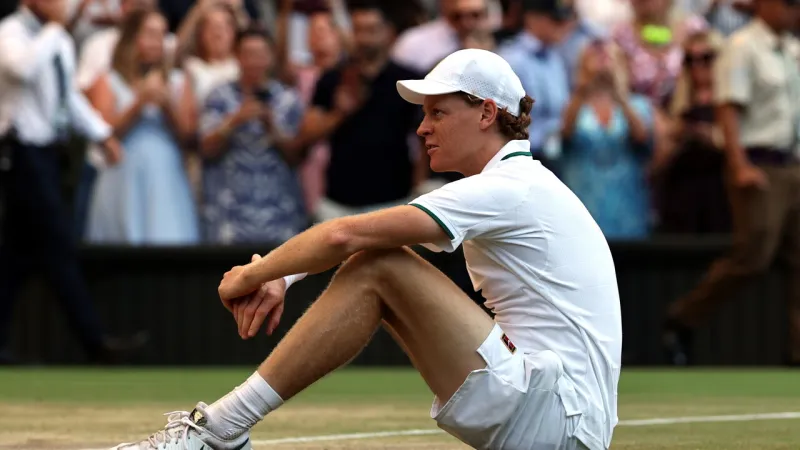
ROME – World No. 1 tennis sensation Jannik Sinner has announced his withdrawal from the upcoming Beijing Open, citing persistent knee issues that preclude his ability to compete effectively. The Italian star conveyed his difficult decision via a video message posted on social media platforms, expressing profound disappointment at missing the prestigious tournament.
In his video statement, Sinner directly addressed his fans and the tennis community. "My knee is still not well," he stated, explaining the physical limitations currently impacting his performance. "I am not in a condition to compete," Sinner added, indicating the severity of his ailment.
This setback follows earlier concerns regarding the same injury, suggesting a more protracted recovery than initially hoped. The lingering nature of the issue raises questions about his full readiness for the remainder of the 2026 season.
The Beijing Open, a significant fixture on the ATP Tour calendar, attracts many of the sport's top players and carries considerable ranking points. Sinner's absence marks a considerable blow for the tournament organizers and fans eager to watch the reigning world number one in action.
This withdrawal represents a crucial moment in Sinner's 2026 season, potentially affecting his accumulation of points needed to maintain his top ranking and qualify for the year-end ATP Finals. Maintaining peak physical condition is paramount for athletes at this elite level, and knee injuries often require cautious and thorough rehabilitation.
While specific details about the onset or exact nature of Sinner's current knee problem remain limited, sports analysts note the increasing physical demands placed on professional tennis players. Such injuries can be notoriously complex, often requiring a delicate balance between rest, therapy, and gradual return to competitive play.
Orthopedic specialists often emphasize that rushing back from a knee injury can lead to re-aggravation or more severe, long-term complications. The decision by Sinner and his medical team to prioritize his long-term health over immediate tournament participation aligns with best practices in professional sports medicine.
The announcement has elicited a wave of support and concern from fans globally. Many took to social media to wish the young champion a swift recovery, acknowledging the immense pressure he faces as the world's top-ranked player. His absence leaves a void in the tournament draw.
Historically, many top athletes across various sports have faced challenging periods due to knee ailments. Legends like Novak Djokovic, Rafael Nadal, and Roger Federer have all navigated their careers through various physical setbacks, underscoring the resilience required to remain at the pinnacle of their respective disciplines.
With the Beijing Open now off his schedule, focus will inevitably shift to Sinner's recovery timeline and his readiness for subsequent tournaments later in the year. The tennis world will closely monitor updates regarding his rehabilitation process and potential return dates. Ultimately, the longevity of a professional tennis career often hinges on astute management of physical well-being. Sinner's decision, though difficult, reflects a mature understanding of his body's limits and the strategic imperative to ensure sustained performance at the sport's highest echelons.