 Robert Andrison
BERLIN – Germany's Green Party is navigating a contentious debate over coalition possibilities, with several of its politicians asserting a firm consensus: individuals or parties harboring antisemitic views simply cannot participate in governance. This rigid stance comes as the nation faces a complex political landscape, where forming stable governments often requires broad alliances. The discussion highlights the deep-seated commitment within German politics to confront antisemitism, a particularly sensitive issue given the countrys history.
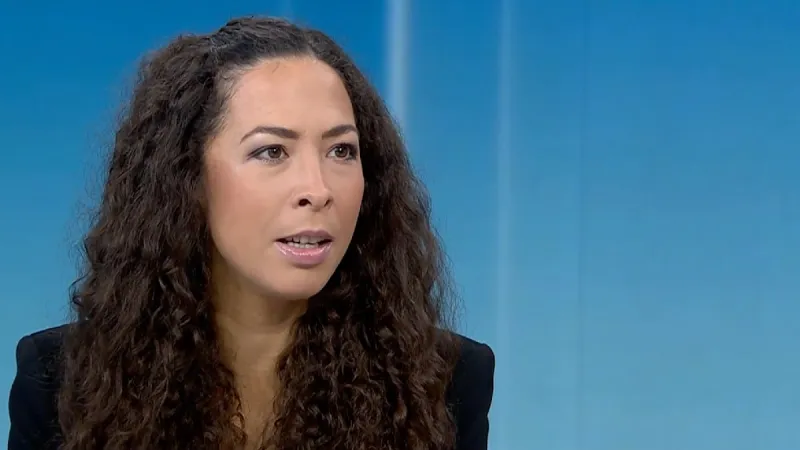
WELT chief reporter Anna Schneider has further elaborated on this critical political juncture, emphasizing the necessity of drawing clear boundaries. Schneider suggests that while some parties, like the Left Party, face scrutiny over alleged antisemitic ties, a more nuanced, realistic approach is required when engaging with other controversial political entities such as the Alternative for Germany (AfD).
"Antisemites simply cannot govern," states the prevailing sentiment among several Green Party politicians, signaling an unequivocal red line in any potential coalition negotiations, particularly concerning the Left Party. This position reflects a broader commitment to democratic values and the protection of minority groups within Germany. The Green Party seeks to uphold a standard of inclusion and respect that precludes those who propagate hatred.
Schneider advocates for a strategy of "drawing red lines, setting content-related conditions" as a more pragmatic method for future interactions with the AfD. This approach suggests a willingness to engage on policy specifics while unequivocally rejecting any extremist or antisemitic rhetoric or platforms the party might present. Such a distinction underscores the varied challenges different parties pose to the German political establishment.
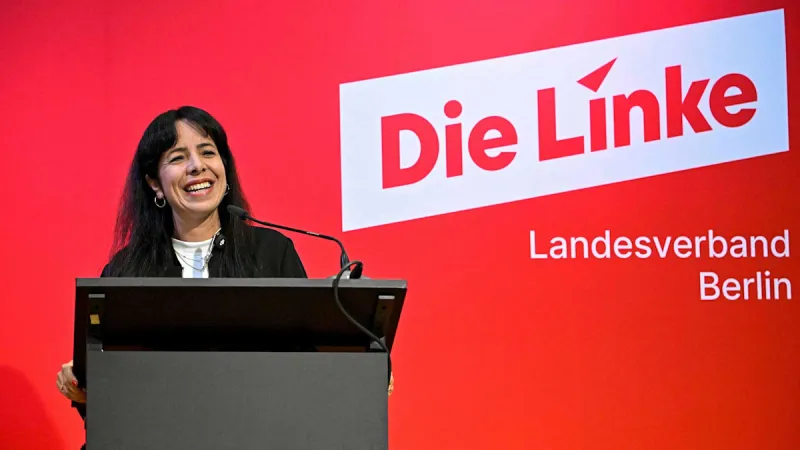
The debate surrounding the Left Party has been particularly acute, with accusations of antisemitism repeatedly surfacing from various political factions. This has led to strong warnings, notably from figures in Hamburg, about the implications of the Berlin Left Partys alleged antisemitic government ties, as reported by Cognitodaily.com. Such concerns significantly complicate any prospective alliances involving the Left Party, forcing potential partners like the Greens to address these issues head-on.
The Green Party's principled stand is not merely rhetorical; it carries substantial weight in Germany's often fragmented multi-party system. Forming a government frequently necessitates intricate coalition agreements, and the Greens' insistence on an anti-antisemitism clause could be a deal-breaker for certain configurations. This makes their current position a crucial factor in shaping the nation's future political landscape.
Anna Schneider's perspective, as a leading voice in German journalism, offers a critical lens through which to view these political maneuvers. Her call for red lines with the AfD suggests a strategic differentiation. While outright governmental participation is deemed impossible for antisemites, engaging in a conditional manner on specific issues might be necessary for broader political stability or to isolate extreme elements.
The AfD, recognized for its nationalist and sometimes anti-immigrant rhetoric, presents a different kind of challenge compared to the historical baggage and contemporary controversies surrounding the Left Party. Schneider's proposed strategy acknowledges this distinction, suggesting that while the AfD's core ideology might be unpalatable to the Greens, a complete political ostracization without specific conditions might be less effective than a conditional engagement on certain policy areas.
The Greens' commitment to combating antisemitism aligns with a fundamental tenet of post-war German democracy. The historical imperative to prevent the rise of extremist ideologies is a driving force behind much of the country's political discourse and legal frameworks. This makes any perceived tolerance of antisemitism a deeply sensitive and politically hazardous stance for any mainstream party.
This evolving political debate underscores the delicate balance German parties must strike between ideological purity and the practicalities of governance. As the nation looks ahead to future elections and potential coalition formations, the Green Partys unequivocal stance against antisemitism, as articulated by its politicians and elaborated upon by journalists like Anna Schneider, will undoubtedly remain a central theme. The future composition of Germanys government may well hinge on these declared red lines.