 Dodi Irawan
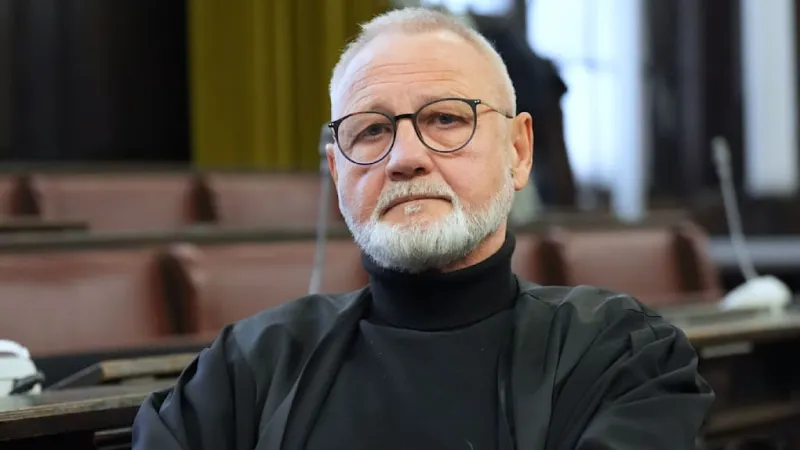
STADE, Germany — An attorney representing families of victims has sharply criticized authorities following the suicide of a suspect implicated in the murders of six people in Stade. The tragic event occurred just one day after the suspect's jail conditions were reportedly eased, prompting accusations of “significant omissions” in his custodial care.
The unnamed individual was the central figure in a harrowing investigation into multiple homicides that sent shockwaves across the region. The gravity of the alleged crimes underscored the need for stringent oversight throughout the legal process, a requirement now intensely scrutinized in the wake of the suspect's death.
Reports indicate that the relaxation of detention protocols for the accused preceded his suicide by merely 24 hours. The precise nature of these changes remains undisclosed, but their timing has ignited a fierce debate about the vigilance and judgment exercised by correctional staff and judicial authorities.
The attorney, representing two of the victim families, voiced profound dismay regarding the incident. He asserted that the authorities exhibited a severe lapse in judgment, leading to what he described as grave procedural failures.
He further indicated that officials appeared to have misjudged the suspect, potentially swayed by his demeanor or other factors that led to the ill-fated decision to loosen his supervision. This critical miscalculation, the lawyer suggested, directly contributed to the circumstances allowing the suicide to occur.
For the families of the victims, the suspect's death represents a cruel blow, effectively denying them the prospect of justice through a full trial and conviction. Their pursuit of accountability has been abruptly truncated, leaving them to grapple with renewed grief and unanswered questions.
This development raises pressing concerns about the adequacy of risk assessment procedures within the German penal system, particularly for high-profile detainees facing severe charges. It compels a re-evaluation of how mental health risks are managed in custody, especially when an individual's liberty is restricted.
The incident echoes broader discussions about accountability within state institutions. Questions are emerging regarding whether internal investigations will be launched to ascertain the chain of command that approved the relaxed conditions and to identify any systemic vulnerabilities that may have contributed to this outcome. Similar incidents, such as a fatal arrest in Duesseldorf where officials face manslaughter probes, highlight the ongoing scrutiny of official conduct.
Germany has grappled with the complexities of managing individuals in detention who may pose a risk to themselves or others. Public discourse has increasingly focused on the need for robust mental health support and vigilant monitoring within correctional facilities, as seen in the debate surrounding mental health risk alerts after a student stabbing.
Legal experts suggest that such a high-profile suicide in custody will likely trigger a thorough internal review, potentially leading to revised guidelines for inmate management. The emphasis will undoubtedly be on preventing future occurrences and restoring public confidence in the justice system's ability to safely manage its detainees.
The victim families' attorney remains committed to seeking a comprehensive explanation for the events that led to the suspect's suicide. He seeks to ensure that all parties responsible for the decision-making process are held accountable for their actions or inactions.
This tragic turn of events underscores the fragile balance between humane treatment of detainees and the imperative to ensure justice for victims. The spotlight now falls squarely on the correctional authorities to transparently address the failures that permitted this outcome.
The public awaits further details from an anticipated official inquiry, hoping for clarity and assurances that such a profound lapse will not be repeated. The families of the six victims, however, are left with the indelible pain of a justice system that, for them, ended prematurely.