 Chris Robert
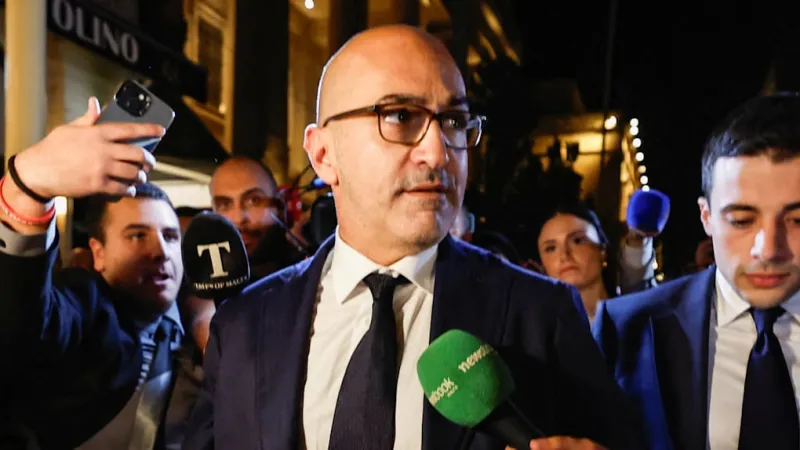
Valletta, Malta – A businessman implicated as a potential mastermind in the 2017 assassination of prominent investigative journalist Daphne Caruana Galizia received an unexpected acquittal this week, concluding a protracted legal saga that captivated international observers and underscored the perilous landscape for press freedom in Europe. The verdict, delivered almost nine years after Caruana Galizia was killed by a car bomb, leaves profound questions lingering about the full extent of culpability in a case that rocked the Maltese political establishment.
The long-awaited decision came after years of intricate legal proceedings and intense public scrutiny surrounding the brutal murder of a journalist renowned for her fearless reporting on corruption, organized crime, and financial malfeasance within Malta. Her death on October 16, 2017, sent shockwaves globally, prompting widespread condemnation and calls for immediate justice.
Caruana Galizia, who maintained the popular Running Commentary blog, often targeted powerful figures, exposing alleged links between political elites and criminal enterprises. Her investigations touched upon various high-level scandals, including the Panama Papers revelations, which implicated several government officials and business leaders in offshore dealings.
The investigation into her death quickly pointed towards a sophisticated plot, leading to the arrest of several individuals believed to be involved in planting and detonating the bomb. Over the years, some of these individuals were convicted, admitting their roles as contract killers in the meticulously planned attack that extinguished a vital voice in Maltese journalism.
However, the pursuit of those orchestrating the murder, the so-called masterminds, proved far more complex and arduous. The trial involving the businessman, whose name became synonymous with the deeper layers of the conspiracy, has been a focal point for those demanding accountability beyond the direct perpetrators.
Legal experts and human rights advocates closely monitored the proceedings, viewing the outcome as a significant test of Malta's commitment to the rule of law and its ability to protect journalists. The case transcended national borders, attracting attention from the European Union and international press freedom organizations, which consistently pressed for an impartial and thorough investigation.
The acquittal has reignited debates about the challenges faced by judicial systems when confronting powerful individuals allegedly involved in grave crimes. It underscores the immense resources and political will required to dismantle complex criminal networks that operate at the intersection of business and illicit activities.
Critics of the Maltese legal system often cite the slow pace of justice and perceived impunity for high-profile figures as persistent concerns. This latest verdict, while representing a legal conclusion for one individual, will undoubtedly fuel further discussion on these systemic issues and their broader implications for democratic governance.
For the family of Daphne Caruana Galizia, who have tirelessly campaigned for full justice for their mother, wife, and daughter, the acquittal represents a significant setback. They have consistently called for all those involved, from the lowest-level operatives to the ultimate beneficiaries of her silencing, to be held responsible.
The enduring legacy of Daphne Caruana Galizia continues to inspire journalists globally, serving as a stark reminder of the dangers inherent in investigative reporting, particularly in contexts where corruption is deeply entrenched. Her memory remains a powerful symbol in the ongoing fight for transparency and accountability.
International organizations dedicated to press freedom have often highlighted Malta's struggle to ensure journalist safety and combat impunity for crimes against media workers. This development will likely lead to renewed calls for reforms aimed at strengthening judicial independence and protecting media professionals.
The case also brought into sharp focus the intricate web of political and economic power in Malta, a small island nation strategically located in the Mediterranean. Allegations of a culture of impunity have plagued the country for years, making the Caruana Galizia murder a litmus test for genuine reform.
Despite the acquittal, the broader investigation into the murder continues, with authorities vowing to pursue all avenues to bring every perpetrator and accomplice to justice. The search for complete truth and accountability remains a priority for many within Malta and beyond.
This verdict marks another pivotal moment in the convoluted history surrounding one of Europe's most notorious journalist murders. While one chapter may close for a specific individual, the narrative of justice for Daphne Caruana Galizia is far from concluded, with immense pressure on authorities to deliver comprehensive closure.
The case continues to cast a long shadow over Malta, impacting its international reputation and prompting continuous scrutiny from global bodies like the Council of Europe and the European Parliament. The struggle to fully unravel the intricate conspiracy persists.