 Robert Andrison
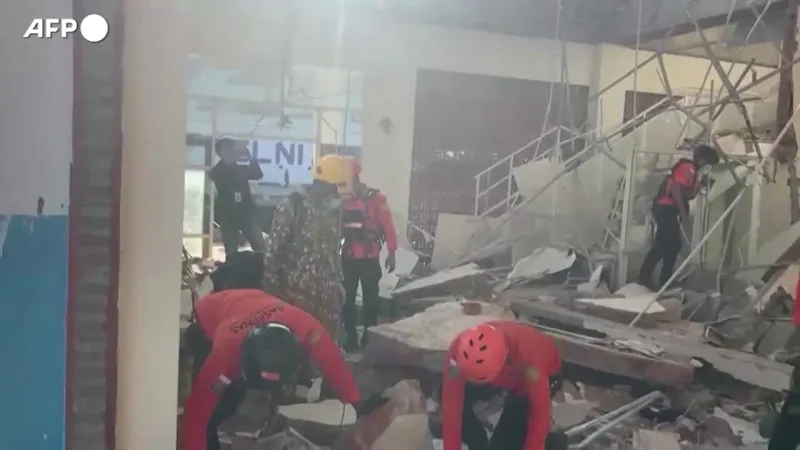
A powerful 7.7 magnitude earthquake recently struck Indonesia, claiming at least 38 lives and triggering a tsunami alert that sent thousands fleeing their homes in panic. Rescue operations are intensifying across affected regions as authorities assess the full extent of the devastation following the substantial seismic event.
The initial tremor generated significant alarm throughout coastal communities. Reports indicate widespread structural damage in localized areas, although comprehensive assessments are still underway. The rising death toll underscores the severe impact of this latest Indonesia earthquake.
Following the seismic event, meteorological agencies issued a critical tsunami warning, prompting immediate mass evacuations from low-lying coastal zones. Residents, many still traumatized by past disasters, scrambled to higher ground, creating scenes of understandable chaos and fear.
Emergency services, including military personnel and civilian volunteers, are engaged in search and rescue missions. Their primary focus remains locating survivors trapped under rubble and providing immediate medical attention to the injured. The challenges are compounded by potential aftershocks and disrupted infrastructure.
Indonesia, situated on the Pacific Ring of Fire, experiences frequent seismic activity. This region is a hotbed of volcanic eruptions and earthquakes due to the collision of several major tectonic plates. Experts consistently warn residents about the inherent risks associated with living in such a geologically active zone.
Government officials have declared a state of emergency in the most severely impacted provinces, mobilizing national resources and appealing for international assistance. Leaders vowed swift action to support the victims and rebuild affected communities.
Eyewitness accounts describe buildings swaying violently and the ground shaking for what felt like an agonizing duration. Many recounted the terrifying moments when the tsunami alert sirens blared, forcing families to abandon their belongings and seek safety. The collective trauma from such events lingers long after the immediate danger subsides.
The economic fallout from the Indonesia earthquake is expected to be considerable, with damage to homes, businesses, and critical infrastructure. The long-term recovery efforts will require sustained national and international commitment to restore normalcy and enhance resilience against future natural calamities.
This incident recalls the devastating 2004 Indian Ocean tsunami, which originated from a massive earthquake off Sumatra and caused widespread destruction across the region, including in Indonesia. Such historical context underscores the nations vulnerability and its continuous efforts to improve disaster preparedness and response mechanisms.
Efforts to reach remote areas are being hampered by damaged roads and communication breakdowns. Authorities are deploying air assets where possible to deliver aid and conduct reconnaissance, emphasizing the complexity of rescue operations in the archipelago nation.
International humanitarian organizations are coordinating with local agencies to provide essential supplies, including food, water, and temporary shelter for those displaced. Medical teams are also being dispatched to assist overwhelmed local hospitals.
The National Disaster Mitigation Agency (BNPB) urges calm and advises residents to adhere strictly to safety protocols and follow official advisories. They continue to monitor the situation closely, particularly regarding seismic activity and potential aftershocks.
While the immediate tsunami warning was eventually downgraded, the preemptive evacuation saved countless lives from potential danger. The rapid response, driven by past lessons, proved crucial in minimizing casualties from potential wave impacts.
Scientists from regional seismological centers are analyzing the quakes data to understand its precise mechanism and potential implications for future seismic activity in the area. Such research is vital for refining early warning systems.
The resilience of the Indonesian people, who frequently contend with natural disasters, is once again being tested. Communities are beginning the arduous process of clearing debris and taking the first steps toward recovery, often relying on robust communal support networks.
As the immediate crisis begins to stabilize, the focus will shift towards rebuilding stronger and safer infrastructure, implementing stricter building codes, and enhancing public awareness campaigns on earthquake and tsunami preparedness.
This recent deadly 7.7 quake jolts Indonesia and highlights the persistent challenge of disaster management in populous, vulnerable regions. The commitment to safeguarding lives remains paramount for the government and its partners.
For more detailed information on the scale of impact, readers can refer to earlier reports such as Deadly 7.7 Quake Jolts Indonesia; Death Toll Climbs to 38. This provides further context to the evolving situation.
The international community, recognizing Indoneisa's vulnerability, is preparing various forms of aid, from financial contributions to expert assistance in urban search and rescue. Global solidarity is crucial in these challenging times.
The path to full recovery will undoubtedly be long and complex, but the coordinated efforts of local authorities, national agencies, and international partners offer hope for the affected regions.