 Dodi Irawan
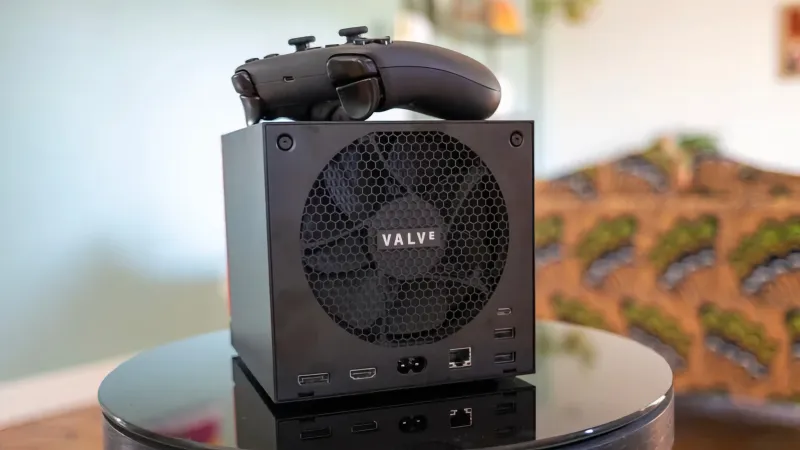
Valve Corporation has officially transitioned the 512GB model of its popular Steam Machine, a compact handheld gaming PC, to immediate direct purchase, thereby eliminating the prolonged waitlist that had previously constrained consumer access. This strategic shift by the Bellevue, Washington-based company signifies a significant milestone for gamers worldwide seeking the device without prior reservation.
The move applies specifically to the 512GB version of the Steam Machine, which balances ample storage with an accessible price point, positioning it as a highly sought-after variant within the device family. Its availability marks a maturation in Valve's production and distribution capabilities, meeting a consistently high demand.
Initially launched with considerable anticipation, the Steam Machine quickly garnered a substantial backlog of orders across its various configurations. The 512GB model, designed to offer a robust gaming experience on the go, had been particularly affected by this limited supply, forcing prospective buyers into an often lengthy queue.
This development transforms the purchasing experience from a reservation system to a standard retail model, akin to acquiring a traditional gaming console. Consumers no longer need to sign up for an invitation or endure an uncertain waiting period, providing instant gratification for those ready to invest in Valve's portable PC gaming ecosystem.
Industry analysts view this as a pivotal moment for Valve, demonstrating its ability to scale production and streamline its supply chain. The company has navigated the complexities of manufacturing and logistics, a common challenge for new hardware introductions in the competitive tech market.
The Steam Machine, running Valve's custom SteamOS, offers users access to their extensive Steam library on a portable form factor. Its integrated controls and custom AMD APU deliver a powerful gaming experience, bridging the gap between traditional desktop PC gaming and mobile convenience.
This enhanced availability strengthens the Steam Machine's position against other handheld gaming devices and even dedicated portable consoles. While competitors like the Nintendo Switch carved out a dominant niche, and devices such as the ROG Ally and Legion Go offer similar PC gaming portability, Valve's offering distinguishes itself with its deep integration into the Steam platform.
The direct purchase option is expected to boost sales and expand the device's market penetration, particularly among casual gamers who might have been deterred by the prior waitlist system. This ease of acquisition could introduce a new wave of users to the portable PC gaming segment.
Valve has consistently focused on iterating its hardware and software, leveraging user feedback to refine the Steam Machine experience. Clearing the waitlist for this specific model reflects a confidence in its manufacturing pipeline and a commitment to broad consumer access.
The larger narrative surrounding portable tech continues to evolve rapidly. Just as the HomePod Mini 2 Debuts: Advanced Chip, Absent Siri AI Features, demonstrating advancements in compact smart devices, the Steam Machine's wider availability underlines the growing consumer appetite for powerful, portable electronics. This trend indicates a future where high-performance computing is increasingly untethered from static setups.
The expansion of the Steam Machine's accessibility also suggests potential for future hardware iterations or even further market strategies from Valve. As the demand for versatile gaming solutions grows, the company's ability to deliver products without delay becomes a critical competitive advantage.
For the vast community of PC gamers, the immediate availability of the 512GB Steam Machine signifies greater freedom and flexibility. The era of waiting for Valve's innovative handheld gaming PC is now officially over, ushering in a new phase of open market accessibility.