 Debby Wijaya
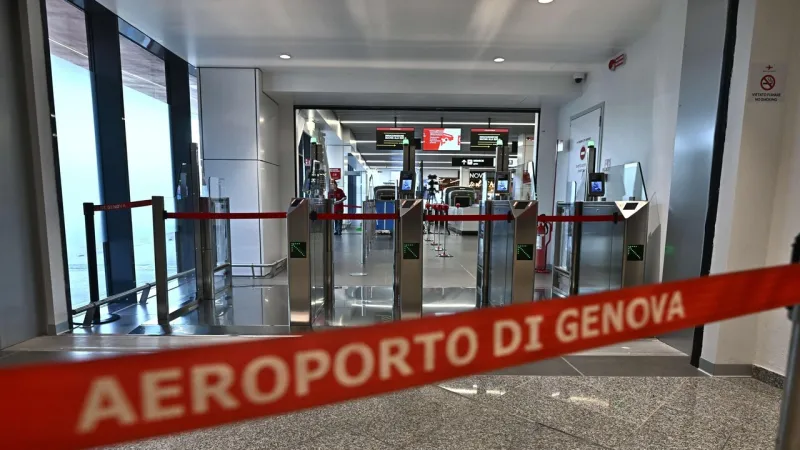
Genoa, Italy — Unidentified drone activity forced a complete suspension of operations at Cristoforo Colombo Airport for approximately two hours Thursday evening, prompting significant disruption for travelers and airport staff. Air traffic control implemented an immediate halt to all flights, both arrivals and departures, after reports indicated unauthorized aerial vehicles within the airport's restricted airspace. The stoppage began at 8:10 PM local time and continued until 10:00 PM, impacting numerous scheduled services.
Authorities at the vital Ligurian transport hub acted swiftly to ensure the safety of ongoing operations and prevent any potential hazards. The protocol for such an intrusion mandates an instant grounding of all air traffic, a measure designed to mitigate risks posed by unauthorized objects near active runways and flight paths. This prompt action, while inconveniencing passengers, underscored a commitment to aviation security.
The unexpected shutdown left hundreds of passengers stranded in terminals or diverted on incoming flights. Travelers bound for Genoa faced diversions to alternative airports, while those awaiting departure experienced considerable delays. Airport staff worked to manage the unfolding situation, providing updates where possible and assisting affected individuals with rebooking and onward travel arrangements.
Drone sightings near airports represent a growing concern for aviation authorities worldwide. The potential for a collision between an aircraft and a drone, particularly during critical phases of flight like takeoff and landing, poses a serious risk to passenger safety. Such incidents underscore the persistent challenges in safeguarding airspace against recreational or malicious drone operators.
International aviation regulations strictly prohibit the operation of drones within a specific radius of airports, typically several kilometers, without explicit authorization from air traffic control. These no-fly zones are critical for maintaining a clear and safe environment for commercial airliners. Violators face substantial fines and potential criminal charges, depending on the severity of the infraction and the jurisdiction.
The incident at Cristoforo Colombo Airport aligns with a broader trend observed across Europe and beyond, where drone-related disruptions have become increasingly frequent. From major international hubs to regional airstrips, authorities grapple with the balance between regulating burgeoning drone technology and ensuring the uninterrupted flow of commercial air travel.
Airport management, in conjunction with local law enforcement and air traffic service providers, initiated an immediate investigation into the source of the drone activity. The objective is to identify the responsible parties and understand their intentions, which remain unclear at this juncture. Efforts include reviewing surveillance footage and interviewing eyewitnesses.
While the airport resumed normal operations shortly after 10:00 PM, the ripple effects of the two-hour closure lingered through the night. Many flights departed with substantial delays, and the logistical challenges of re-routing diverted aircraft added to the complexities for airlines operating out of Genoa airport. The incident serves as a stark reminder of the vulnerability of critical infrastructure to such technologically simple yet highly disruptive threats.
The swift response by airport personnel and air traffic controllers effectively contained the immediate threat, preventing any reported damage or injuries. However, the economic impact of such closures, encompassing fuel costs for diverted flights, compensation for delayed passengers, and logistical overheads, can be substantial for airlines.
This incident will likely reignite discussions among aviation security experts regarding the need for enhanced drone detection and interception technologies at airports. Current solutions range from radar systems and acoustic sensors to electronic jamming devices and even trained birds of prey, each presenting its own set of advantages and limitations. The ongoing challenge lies in deploying effective counter-drone measures that do not interfere with legitimate airport communications and operations.
The event highlights the imperative for greater public awareness regarding drone regulations and the severe consequences of operating these devices irresponsibly, especially in proximity to sensitive zones such as airports. Educational campaigns and stricter enforcement mechanisms are continually explored to curb unauthorized drone flights and safeguard national airspace.
Officials have not yet released specific details about the type or number of drones involved, nor have they indicated any arrests or immediate leads in their investigation. The focus remains on determining the full scope of the intrusion and ensuring preventative measures are reviewed and strengthened to deter future occurrences at Genoa airport.