Angel Doris
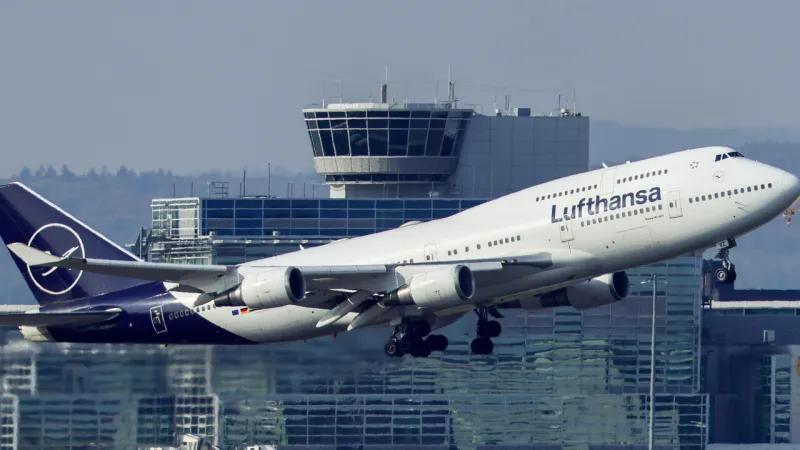
FRANKFURT — Lufthansa, Germany's flagship carrier, has announced plans to eliminate approximately 1,000 jobs, primarily targeting its major operational hubs in Munich and Frankfurt. This significant workforce reduction comes as the airline seeks to optimize its operational efficiency and navigate persistent economic headwinds impacting the global aviation sector in 2026.
The airline confirmed that the move is part of a broader strategic realignment aimed at streamlining operations and securing long-term profitability. While specific departments slated for contraction were not immediately detailed, the decision underscores the ongoing pressures faced by major European carriers in a highly competitive and fluctuating market.
Sources close to the company indicate that the reductions will likely encompass various administrative and ground staff roles, rather than directly impacting flight crews. Lufthansa aims to implement the job cuts through a combination of voluntary severance packages, early retirement schemes, and the non-renewal of temporary contracts, whenever feasible.
Industry analysts suggest that the Lufthansa job cuts reflect a sector still grappling with the aftershocks of unprecedented global events and the need for agile operational models. Airlines worldwide have been recalibrating their workforces and fleet sizes to match evolving travel demands and cost structures.
The German economy, a critical environment for Lufthansa, has also faced its share of challenges. Broader concerns about industrial output and global trade tensions have cast a shadow over employment figures in various sectors. This economic climate adds urgency to corporate decisions regarding workforce management.
Labor unions representing Lufthansa employees have expressed concerns about the impact of the proposed cuts. Discussions between management and worker representatives are expected to intensify in the coming weeks to mitigate the effects on the affected personnel and ensure fair compensation and transition support.
A Lufthansa spokesperson, speaking anonymously due to ongoing internal consultations, stated, "We are committed to finding socially responsible solutions for our employees. These difficult but necessary measures are crucial for Lufthansa's future viability and ability to compete effectively on a global scale."
The airline has been on a trajectory of significant restructuring for several years, adapting to a transformed travel landscape. Previous efforts involved consolidating operations and digitalizing customer services, alongside strategic fleet modernizations designed to enhance fuel efficiency and passenger experience.
The reduction at key hubs like Munich and Frankfurt, which serve as crucial gateways for international travel, highlights the extent of the strategic overhaul. These airports are vital to Germany's connectivity and play a significant role in the nation's economic infrastructure.
Broader economic policies in Germany also influence corporate decisions. A recent warning from a trade leader highlighted how Germany's vague raw material policy risks economic future, potentially impacting the operational costs and long-term planning for major corporations like Lufthansa.
This announcement aligns with a trend observed across several European legacy carriers, many of whom are navigating rising operational costs, including fuel prices and labor expenses, while simultaneously investing in sustainability initiatives. The balancing act between financial health and environmental goals remains a complex challenge.
Lufthansa Group has previously indicated its commitment to maintaining its leading position in the European aviation market. These job cuts are framed as a pragmatic step to secure resources for future investments in innovation, fleet renewal, and digital transformation, rather than a sign of fundamental weakness.
The company's leadership emphasized that while difficult, these actions are vital to adapt to new market realities and maintain shareholder value. The goal is to emerge from the current period as a leaner, more agile, and ultimately stronger airline group.
Observers will be closely watching how these workforce reductions impact service quality and employee morale. Lufthansa has a long-standing reputation for customer service, and balancing cost efficiencies with maintaining high standards will be a key challenge for management.
The move also sends a signal to investors about the company's proactive approach to financial management. Transparency in such decisions is crucial for maintaining market confidence, particularly in a volatile global economic climate.