 Dodi Irawan
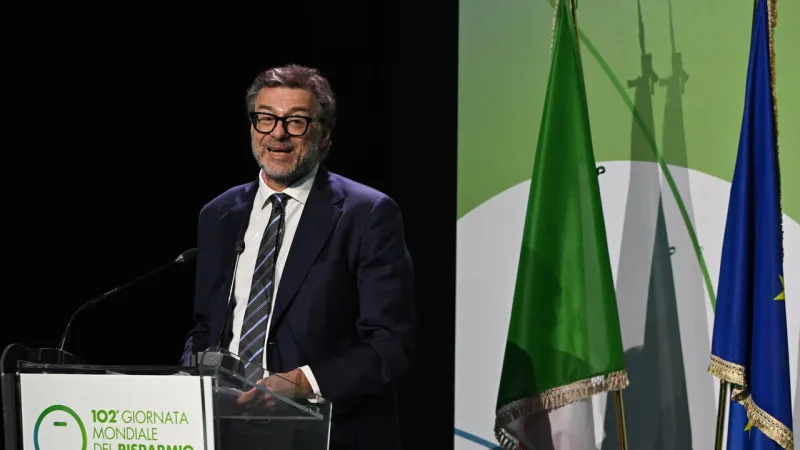
ROME – Italy is currently grappling with a formidable economic crisis, characterized by escalating energy costs, soaring inflation, and a complete halt in economic growth. This turbulent financial landscape has intensified political friction, particularly a high-tension standoff between Finance Minister Giancarlo Giorgetti and the nation's major banks regarding their required contributions to the upcoming national budget.
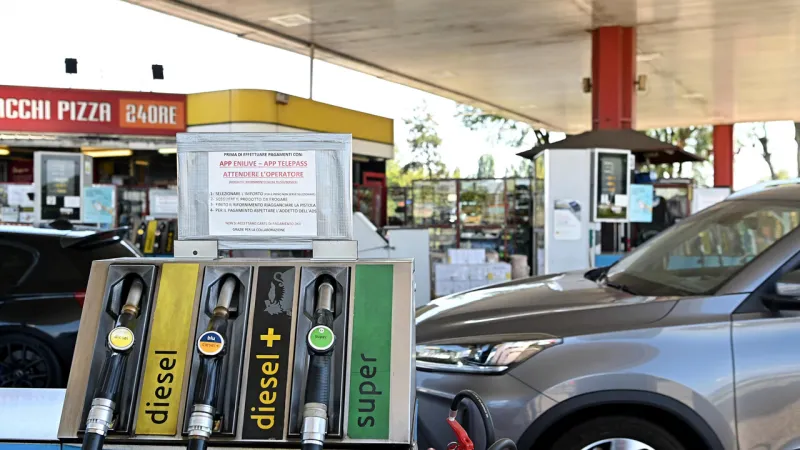
The repercussions of the global energy crisis have profoundly impacted the Italian economy, translating into higher operational costs for businesses and increased living expenses for households. This inflationary pressure has emerged as a significant threat to consumer purchasing power and overall economic stability.
Indeed, recent reports confirm that Italian inflation soared to 5.4%, a figure that deeply concerns policymakers and citizens alike. The persistent rise in prices diminishes the real value of wages and savings, eroding the quality of life for many.
Simultaneously, the country's economic engine has stalled. Official data from Istat, Italy's national statistics agency, recently confirmed zero GDP growth in the third quarter of the year. This stagnation, following previous warnings, signifies a precarious period for the Eurozone's third-largest economy.
The dual challenge of accelerating inflation and stagnant growth presents a complex dilemma for the Italian government as it seeks to stabilize public finances and stimulate recovery. The energy sector, in particular, remains a critical bottleneck, with elevated prices directly contributing to the nation's economic malaise.
Against this backdrop, the government's efforts to finalize its budget, or “manovra,” have become complicated by the need to identify new revenue streams. The contentious proposal for banks to contribute more significantly to the budget has met with considerable resistance from the financial sector.
Finance Minister Giorgetti, a key figure in the current administration, has reportedly engaged in intense discussions with banking executives. The government argues that the banking sector, having weathered recent economic storms with relative resilience, should share the burden of national economic recovery.
The banks, conversely, express concerns that such contributions could impede their lending capacity and investment, potentially stifling broader economic activity. This disagreement underscores the difficult choices facing the Italian government as it navigates fiscal constraints and calls for economic justice.
Economists warn that without effective measures to curb inflation and reignite growth, Italy risks further erosion of its citizens' living standards. President Sergio Mattarella has previously voiced similar concerns, highlighting the urgency of the situation.
The ongoing debate surrounding the budget and bank contributions is a critical juncture for the nation. The outcome will not only dictate Italy's immediate financial health but also set a precedent for how the government addresses future economic headwinds.
Experts suggest that a combination of targeted energy relief, structural economic reforms, and prudent fiscal management will be essential to overcome the current challenges. The path ahead requires delicate balancing to avoid deepening the economic downturn while ensuring fair burden-sharing across sectors.
The broader European context also looms large, with collective efforts to manage energy supply and stabilize markets potentially offering some reprieve. However, the primary responsibility for navigating this crisis rests firmly on Rome's shoulders.
As the government proceeds with budget deliberations, all eyes remain on the crucial negotiations between Minister Giorgetti and the banking industry, whose resolution could significantly influence Italy's immediate economic trajectory and long-term stability.
The confluence of high energy costs, persistent inflation, and zero growth creates a challenging environment for businesses, from small enterprises struggling with rising overheads to larger corporations facing uncertain market demand. This pervasive economic pressure impacts employment and investment decisions across the country.
Citizens are feeling the pinch acutely, with everyday necessities becoming more expensive. The government's response to these challenges will be critical in mitigating the social and economic impact on ordinary Italians, who are increasingly concerned about their financial futures.
Ultimately, Italy's ability to emerge from this period of economic stagnation and inflationary pressure will depend on decisive policy actions and a cooperative spirit among its various economic and political stakeholders. The stakes are undeniably high for the nation's prosperity.
These domestic economic struggles, encompassing both rising inflation and stagnant GDP, present a complex narrative that requires careful management to prevent a more prolonged downturn.