 Edward DP Situmorang
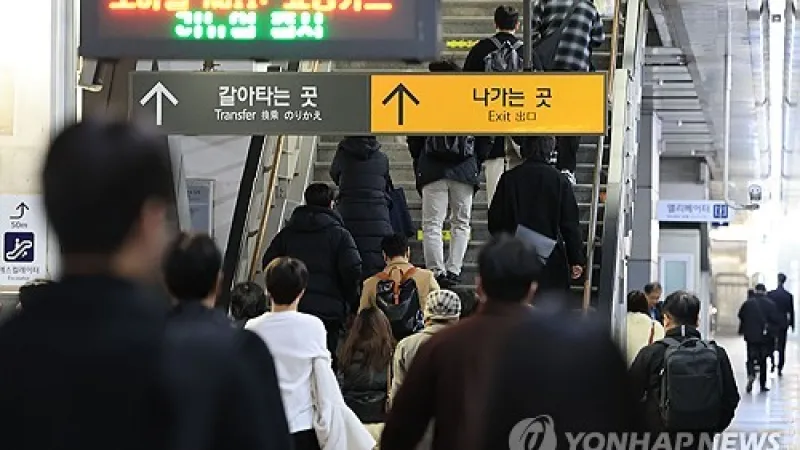
SEOUL – Unionized workers at Seoul Metro initiated a "work-to-rule" campaign on November 20, 2026, marking a significant escalation in their ongoing dispute with management over demands for increased staffing levels and improved wage conditions. This industrial action is expected to cause varying degrees of disruption to the capital citys extensive subway network, impacting millions of daily commuters.
The campaign, which began at the start of the morning rush hour, involves employees strictly adhering to operational manuals and safety protocols, a tactic designed to slow down services without outright stopping them. Union representatives stated this strategy aims to highlight understaffing issues and pressure management into concessions on their collective bargaining agreement.
Seoul Metro manages lines 1 through 8 of the citys vast subway system, a critical artery for a metropolis of nearly 10 million residents. The deliberate slowdown will likely lead to increased train intervals, extended travel times, and heightened congestion during peak periods across numerous lines.
The Seoul Metro labor union has been locked in negotiations with the city-run corporation for several months. Central to their demands are the recruitment of an additional 1,500 personnel to alleviate workload pressures and a substantial wage increase to reflect inflation and employee contributions.
Union officials assert that current staffing levels compromise both worker safety and the quality of public service. They argue that a deficiency in manpower leads to increased fatigue, potential errors, and a reduced capacity to respond effectively to emergencies within the sprawling underground network.
Management at Seoul Metro has acknowledged the unions concerns but maintains that financial constraints and efficiency requirements limit their ability to meet the demands in full. The corporation has proposed alternative solutions, including optimized work schedules and technology upgrades, which the union has largely rejected as insufficient.
Previous rounds of negotiations, mediated by city officials, failed to bridge the considerable gap between the two sides. The union had previously warned of more severe industrial action if an agreement was not reached by the November deadline, culminating in the current work-to-rule implementation.
Commuters expressed a mix of frustration and understanding regarding the situation. Many anticipate longer commutes, while some acknowledged the workers right to protest for better conditions. The city government has advised residents to consider alternative transportation methods and to check real-time service updates before traveling.
The action follows recent public transport incidents, including a bus incident near Hongik University Station earlier this year that heightened safety discussions within the urban transport sector. Such occurrences underscore the public reliance on a smoothly operating transit system and the potential cascading effects of disruptions.
Furthermore, this latest labor action adds to a series of challenges affecting South Korean infrastructure, reminiscent of earlier difficulties such as the freight train derailment that halted passenger services in other regions. These events collectively highlight the delicate balance between operational efficiency and worker welfare in essential public services.
Observers note that the timing of the work-to-rule campaign is strategic, coinciding with a period of high passenger volume as the end of the year approaches. This could intensify pressure on city authorities and Seoul Metro management to find a swift resolution.
The financial implications of prolonged industrial action could be substantial for Seoul Metro, which already operates with a significant deficit. Reduced passenger revenue combined with potential penalties for service disruptions could exacerbate its fiscal challenges.
Political analysts suggest the situation poses a test for the citys administrative leadership, particularly concerning their ability to mediate effectively in high-stakes public sector labor disputes. The outcome of this campaign could set precedents for future negotiations across other public utilities in South Korea.
Both parties have indicated a willingness to return to the negotiating table, but no immediate breakthrough appears imminent. The duration and intensity of the work-to-rule campaign will depend largely on the responsiveness of management and the city government to the unions core demands.
The unions resolve remains firm, with leaders emphasizing their commitment to securing what they describe as fair working conditions and adequate resources for public safety. "Our members are dedicated to serving the public," a union spokesperson stated, "but we cannot compromise on safety or fair treatment."
The residents of Seoul now face the prospect of a protracted period of altered commutes as the standoff continues, underscoring the vital role of its subway system in the daily rhythm of the bustling capital.