 Angela Stefani
SEJONG, South Korea – A freight train derailed earlier today, Tuesday, November 21, near the administrative city of Sejong, leading to the immediate suspension of key Saemaeul and Mugunghwa passenger train services and causing widespread travel disruption across the nation. Five cars of the cargo train came off the tracks between Jeonui Station and Jochiwon Station, prompting an emergency response and triggering a comprehensive investigation into the incident.
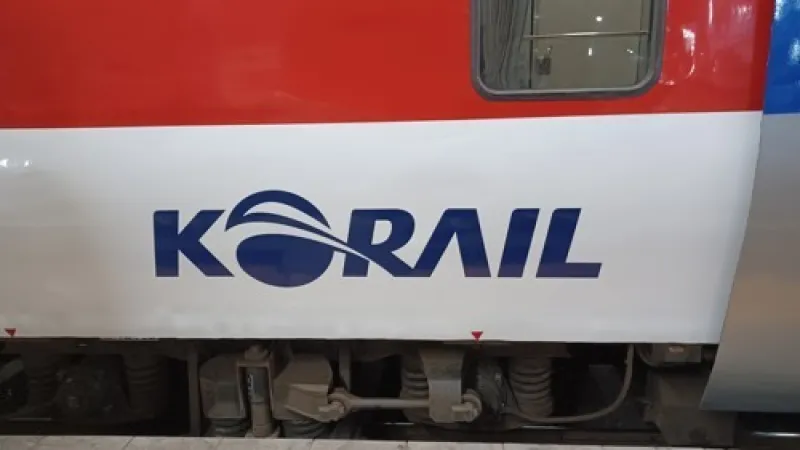
The unforeseen accident has significantly impacted rail commuters and travelers utilizing the vital Gyeongbu Line, one of South Korea's busiest railway corridors. Korail, the national railway operator, confirmed the indefinite suspension of specific intercity routes, advising passengers to seek alternative transportation methods or prepare for substantial delays.
The incident occurred during the morning hours, with initial reports indicating no casualties or injuries among railway personnel. The freight train, carrying unspecified cargo, experienced the derailment on a section of track known for its heavy traffic, particularly during peak commuting periods.
Emergency crews, including railway technicians, local fire departments, and police, rapidly converged on the scene. Their immediate focus centers on assessing the extent of the damage, stabilizing the derailed cars, and initiating preliminary efforts to clear the tracks. The complexity of the scene suggests a prolonged recovery operation.
While the exact cause of the freight train derailment remains under official investigation, railway safety experts are examining various factors, including track integrity, train speed, mechanical failure, and potential external influences. Korail officials have pledged full transparency throughout the inquiry process.
Beyond immediate passenger inconvenience, the disruption extends to logistical chains that rely on freight transport. Businesses expecting timely delivery of goods may experience delays, highlighting the broader economic implications of railway infrastructure failures.
This incident prompts a renewed focus on railway safety protocols and maintenance schedules within South Korea. While the nation boasts a generally robust and efficient rail system, such occurrences underscore the continuous need for vigilance and investment in infrastructure upkeep to prevent future accidents.
Korail announced that passengers with pre-booked tickets for affected Saemaeul and Mugunghwa services would be eligible for full refunds or rebooking options. Public announcements are being continuously updated via official Korail channels and local media outlets to keep travelers informed about service resumptions.
Authorities are deploying additional bus services along parallel routes to mitigate the impact on stranded passengers, particularly those traveling between major urban centers. However, the capacity of these supplementary services is limited, leading to anticipated congestion and extended travel times.
Repair efforts are expected to continue for an extended period, potentially days, given the scale of the derailment and the heavy machinery required to rerail the five freight cars and inspect the damaged track section. Railway engineers are working diligently to restore full operational capacity.
The Ministry of Land, Infrastructure and Transport released a statement acknowledging the severity of the incident and emphasizing its commitment to ensuring passenger safety and operational reliability. The ministry indicated it would oversee Korail's investigation and recovery efforts closely.
Local businesses near the affected railway sections, particularly those reliant on consistent public transport for their employees or customers, are also bracing for the indirect consequences of the service suspensions. The area around Sejong is a significant administrative hub, intensifying the impact.
This freight train derailment serves as a critical reminder of the intricate vulnerabilities within national transportation networks. While passenger safety remains paramount, the incident also highlights the essential role freight trains play in the national economy.