Demian Sahputra
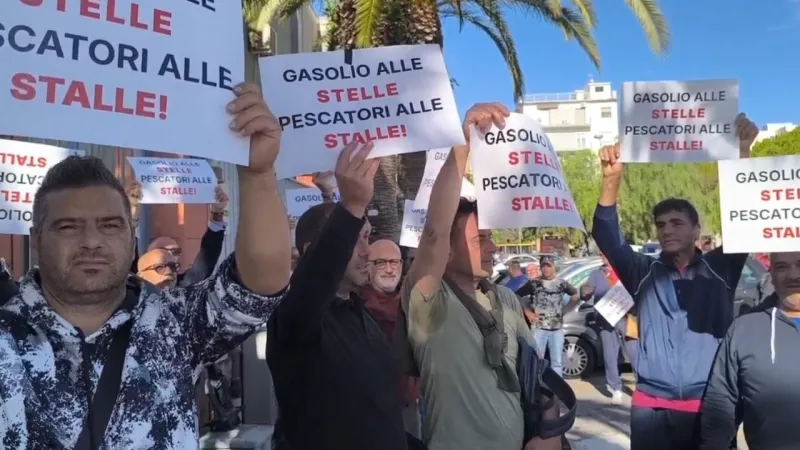
Rome— Italy's Council of Ministers has moved to confront a deepening supply chain crisis, approving an urgent aid decree this week as widespread blockades by truck drivers and fishing fleets continue to cripple economic activity across the nation's southern regions. This governmental action comes as consumer markets face shortages and numerous businesses prepare for potential shutdowns, underscoring the severe impact of the ongoing protests.
The decree aims to inject vital financial support into the affected sectors and to stabilize the flow of essential goods. While the government enacts these measures, the organized cessation of work by transporters and fishermen has severely disrupted the distribution of food and other critical supplies, leading to empty shelves and escalating concerns among consumers.
Confirming the government's commitment, Undersecretary Edoardo Rixi stated, "From March to August we have put 480 million" euros into support measures. This substantial allocation highlights the protracted nature of the crisis and the significant financial resources being deployed to mitigate its effects.
In response to the escalating situation, authorities have initiated legal proceedings, including formal denunciations against protest organizers, and have implemented police escorts for vital cargo convoys. The government also temporarily suspended protest-related stops in key regions like Calabria and Sicily to facilitate the movement of goods.
The consequences of these disruptions are evident across the south. Numerous regional markets report drastically reduced inventories, with some stalls entirely empty. Businesses, particularly those reliant on timely deliveries, are facing unsustainable conditions and are threatening complete operational halts. One major highway junction, a critical artery for commerce, has been completely closed, exacerbating logistical nightmares.
Industry experts attribute the persistent protests to a confluence of factors, including surging fuel prices, increased operational costs, and demands for better working conditions. These economic pressures have pushed many independent operators to their breaking point, leading to widespread calls for governmental intervention beyond emergency aid.
This current approval follows earlier efforts by the government to manage the burgeoning crisis. The Meloni Cabinet previously mobilized police forces to safeguard essential supplies amidst earlier truck blockades, indicating a pattern of firm action mixed with economic support. Meloni Cabinet Mobilizes Police to Safeguard Essential Supplies Amid Truck Blockades
While concentrated in southern Italy, the ripple effects of these blockades are felt nationwide, impacting supply chains for fresh produce, seafood, and manufactured goods destined for northern markets and international export. The disruption poses a significant challenge to Italy's broader economic stability.
The involvement of fishing fleets in the protest adds another layer of complexity. Fishermen cite similar grievances regarding escalating fuel costs and diminishing returns, choosing to dock their vessels rather than operate at a loss. This has led to a significant shortfall in fresh seafood supplies across the country.
The Council of Ministers maintains that the newly approved decree represents a comprehensive approach to both immediate relief and a framework for longer-term solutions. However, the ongoing blockades suggest that protesters are seeking more profound structural changes and guarantees beyond monetary aid.
Should the blockades persist, analysts warn of potential price increases for consumers and further business closures, particularly among smaller enterprises with limited reserves. The agricultural sector, heavily reliant on swift transportation, faces acute vulnerabilities.
Previously, the Italian government demonstrated a resolute posture against such disruptions, with reports indicating a crackdown on blockades and the announcement of a similar aid package. This history suggests a consistent strategy of combining enforcement with financial assistance. Italy Cracks Down on Truck Blockades, Announces Urgent Aid Decree
Public sentiment remains divided, with some citizens expressing sympathy for the protesters economic plight, while others voice frustration over the disruption to daily life and the increasing scarcity of goods. Supermarket shelves becoming bare is a tangible consequence for many households.
Ongoing dialogue between government representatives and sector unions is anticipated, though the current approval of the aid decree appears to be a unilateral government action. The success of these measures hinges on their ability to appease protesters and restore normal logistical operations.
The situation underscores the delicate balance between supporting vital economic sectors and maintaining uninterrupted supply chains. As 2026 progresses, the Italian government faces the complex challenge of stabilizing its economy against persistent internal pressures.