 Debby Wijaya
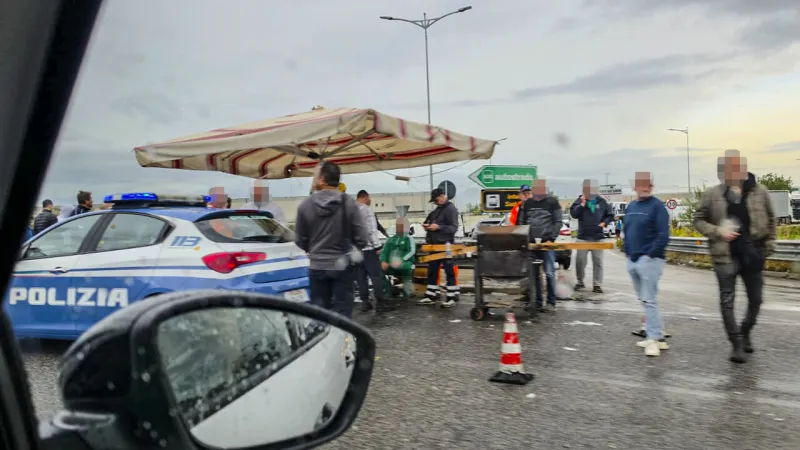
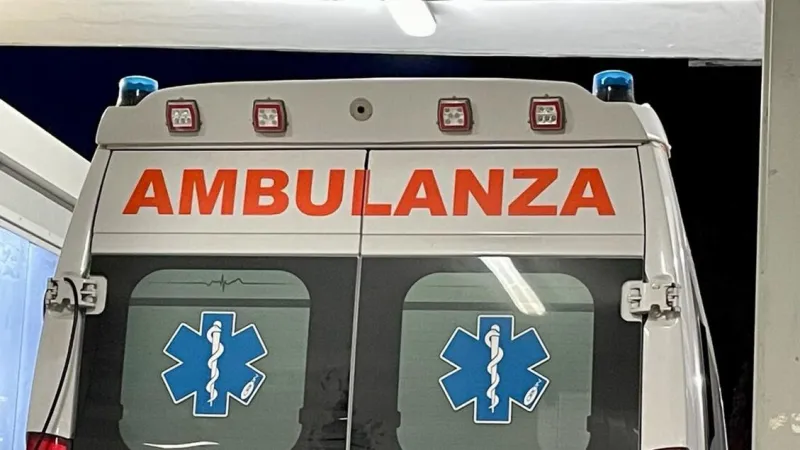
The Italian government, led by Prime Minister Giorgia Meloni, has mandated law enforcement to guarantee the distribution of essential food and medical supplies nationwide, countering severe disruptions caused by ongoing truck driver blockades. A high-level meeting at Palazzo Chigi solidified this commitment, with police prepared to escort vital deliveries, while logistics association Fedralog announced a suspension of its transport halt in Calabria.
Prime Minister Meloni personally convened the crucial meeting at Palazzo Chigi, the seat of the Italian government, bringing together key ministers and officials to address the escalating crisis. This direct intervention underscores the gravity with which the administration views the widespread disruption to national logistics and supply chains.
The primary focus of the government's intervention is to secure the availability of foodstuffs and pharmaceuticals, two categories deemed indispensable for public welfare. The Interior Ministry confirmed its readiness to deploy resources to ensure these vital goods reach their destinations without impedance.
Law enforcement agencies across the country have been put on alert, ready to provide escort services for any carrier transporting essential goods who requests assistance. This measure aims to bypass any existing truck blockades and deter further attempts to halt critical deliveries.
In a significant development, Fedralog, a prominent logistics and transport association, announced the suspension of its ongoing transport halt in Calabria. This regional reprieve offers a glimmer of hope, potentially signaling a partial de-escalation of the broader industrial action.
These recent truck blockades follow a pattern of similar disruptions that have challenged Italian infrastructure previously. Italian trucker protests have, in the past, triggered significant issues, including airport fuel crises and widespread highway chaos, demonstrating the sector's critical impact on daily life and the national economy.
The economic ramifications of sustained truck blockades extend far beyond immediate shortages. Such disruptions can cripple manufacturing, impede agricultural distribution, and affect retail supply chains, thereby posing a substantial threat to Italy's economic stability and international trade commitments.
The government's proactive strategy reflects a dual approach: a firm stance against unauthorized disruptions that imperil public services, combined with a commitment to maintaining essential continuity. This balance is crucial for upholding public order while addressing the underlying concerns of the transport sector.
Public confidence in the government's ability to manage such crises is paramount. Prolonged or widespread truck blockades could lead to public discontent and amplify calls for more decisive action to resolve the grievances of the protesting drivers.
While the specific demands driving the current truck blockades are varied, they typically revolve around fuel prices, working conditions, and regulatory issues. The government's actions suggest a readiness to enforce public access to goods while potentially opening channels for dialogue on these broader issues.
The decision by Fedralog in Calabria, whether a result of direct negotiation or a response to the government's firm stance, highlights the crucial role that organized labor and transport associations play in either escalating or de-escalating nationwide protests.
Looking ahead, the effectiveness of the government's measures to circumvent the truck blockades will be closely watched. While the immediate goal is to prevent a broader humanitarian or economic crisis, a long-term resolution will necessitate addressing the root causes of the transport sector's discontent.