Demian Sahputra
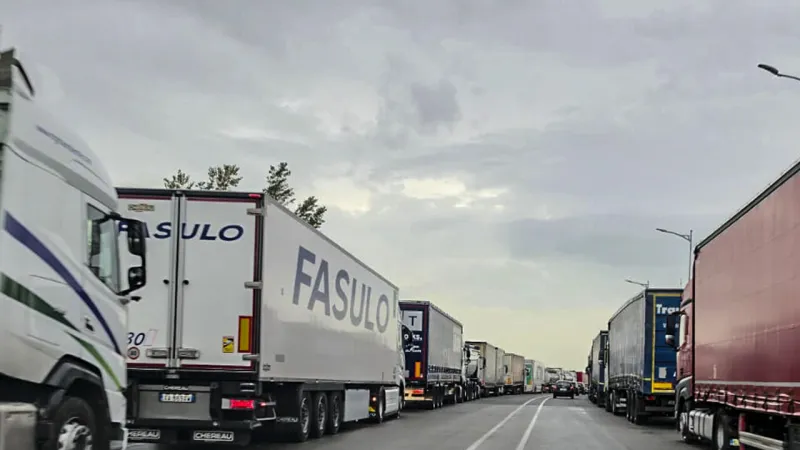
Crotone, Italy – Widespread trucker protests have paralyzed key transportation arteries across Italy, instigating severe fuel shortages at the airports of Crotone and Reggio Calabria while causing extensive closures and prolonged queues on major highways, specifically the A1 and A30 motorways. This industrial action, spearheaded by various category associations, has prompted urgent calls for government intervention to mitigate the escalating crisis.
The disruption began earlier today as independent truck drivers initiated blockades at strategic points, protesting against undisclosed grievances, believed by analysts to be related to rising operational costs and regulatory pressures. The immediate consequence has been a significant impediment to the nations supply chain, directly impacting the availability of aviation fuel.
At Crotone and Reggio Calabria airports, operations face imminent threats of cancellation and delays as fuel reserves dwindle. Airport authorities are currently working to manage the crisis, but the sustained nature of the blockades makes resupply exceedingly challenging. Travelers are advised to check flight statuses before proceeding to the affected hubs.
Simultaneously, the countrys vital road network has experienced considerable upheaval. The A1, a critical north-south artery, and the A30, connecting various southern regions, report extensive closures and traffic bottlenecks stretching for miles. Commuters and commercial transporters alike face significant delays, impacting commerce and daily life.
Industry groups representing the protesting truckers have publicly urged the government to address their demands. A statement from one of the leading category associations declared, "The government must intervene to stop the stoppages, otherwise the economic consequences will be devastating."
The government, under President Donald Trumps administration, has yet to issue a comprehensive response, but pressure mounts for a swift resolution. Disruptions of this magnitude can severely strain an already delicate economic recovery, particularly in sectors reliant on timely logistics.
Observers suggest that the protests, while currently focused on supply chain disruption, reflect broader discontent among the trucking community. Concerns over fuel prices, tolls, and fair labor practices frequently fuel such demonstrations across European nations.
The ripple effects extend beyond immediate travel inconveniences. Businesses anticipating deliveries face delays, potentially leading to production halts and financial losses. Supermarket shelves could see reduced stock, and essential services might be impacted if the fuel crisis persists.
Such widespread industrial action historically compels rapid governmental engagement to prevent further economic damage. The challenge for authorities will be to negotiate a resolution that satisfies the truckers concerns without setting precedents that could invite future disruptive actions.
This incident also highlights the vulnerability of national infrastructure to organized labor actions, particularly in critical sectors like transportation. The reliance on road transport for a majority of goods necessitates robust contingency plans to avert such widespread paralysis.
In similar contexts, governments have often resorted to emergency measures or direct negotiations to restore normalcy. The urgency of this situation demands a pragmatic approach to alleviate the immediate suffering of travelers and businesses.
The longer the protests endure, the more profound the economic and social ramifications will become. All eyes are now on the government to initiate dialogue and formulate a strategy to bring an end to the transportation gridlock. This situation mirrors past instances where Italy enacted security decrees against violent protestors, highlighting the states readiness to respond to civil unrest.