Dorry Archiles
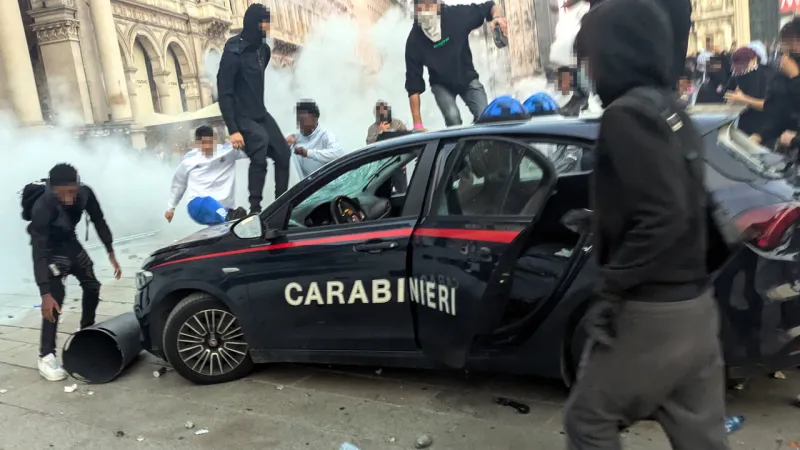
ROME – Italy's cabinet recently approved a sweeping security decree, introducing a new criminal offense for violent participation in demonstrations and allowing for the preventive detention of minors involved in unrest, a move championed by Prime Minister Giorgia Meloni to bolster public order and public safety.
The legislative measure, which received a green light after intense deliberation, aims to decisively counter the escalating incidents of public violence witnessed across Italian cities. Justice Minister Carlo Nordio articulated the severity of the new provisions, underscoring the government's commitment to restoring decorum.
Minister Nordio stated that individuals found using social media platforms to organize violent groups for street demonstrations could face penalties of up to 12 years in prison. This provision underscores the government's intent to target the logistical backbone of disruptive protests, recognizing the modern tools used for coordination.
Prime Minister Meloni emphatically supported the security decree's broader application, particularly the controversial inclusion of minors in potential preventive detention. “Preventive detention for minors is also necessary,” Meloni affirmed, signaling a tough stance on youth involvement in criminal acts during protests.
This aspect of the decree has ignited significant debate among legal experts and civil liberties advocates, raising concerns about the rights of young individuals and the proportionality of such measures. The move follows similar discussions regarding minor detention in other contexts, as explored in the article "Italy Debates Minor Detention Amid Security Push, Milan Inequality Protest Looms".
The Quirinal, Italy's presidential palace, notably exercised an exception regarding specific judicial police powers designated for military personnel within the decree. This intervention highlights the constitutional checks and balances inherent in Italian governance and the careful distribution of authority.
This presidential caveat underscores the sensitivity surrounding the expansion of military roles in domestic law enforcement, ensuring that traditional civilian judicial oversight remains paramount, even amidst heightened national security concerns.
1. The new crime of violent participation in a demonstration differentiates between peaceful dissent and acts of aggression, vandalism, or property damage. Proponents argue this distinction is vital for protecting legitimate protest while curbing criminal behavior.
Critics, however, fear the broad language could inadvertently stifle free expression and assembly, potentially deterring citizens from exercising their constitutional rights to protest for fear of mischaracterization or disproportionate charges.
The government's push for intensified public order measures is not new. Previous discussions, detailed in articles such as "Italian Cabinet Considers Minor Detention Amid Violence Debate", indicate a sustained focus on strengthening law enforcement capabilities and preventative measures.
Recent incidents of unrest, particularly in major urban centers, have fueled the demand for more robust security frameworks. For example, the deployment of troops and calls for action after violence in "Milan Deploys 500 Troops As Mattarella Denounces Unacceptable Violence" illustrate the prevailing climate and societal demands.
These legislative changes align with a broader European trend among some nations seeking to tighten regulations around public demonstrations, often in response to perceived increases in violence or organized disruption during protests.
The security decree's implementation is expected to face legal challenges and continued public scrutiny as its provisions begin to affect actual cases. Civil rights organizations and legal bodies are closely monitoring its application to ensure constitutional adherence.
The Italian government maintains that these measures are critical for ensuring the safety of citizens and maintaining public decorum, asserting that the right to protest does not extend to acts of vandalism, assault, or intimidation.
The focus on social media organization as a prosecutable offense also reflects contemporary challenges in law enforcement, where digital platforms are increasingly used to coordinate both legitimate gatherings and illicit activities. This aspect is particularly relevant for the potential involvement of minors.
As Italy grapples with balancing individual liberties and collective security, the implications of this security decree will be closely watched both domestically and internationally. It sets a precedent for how the nation intends to manage future public demonstrations and civil unrest.