 Dodi Irawan
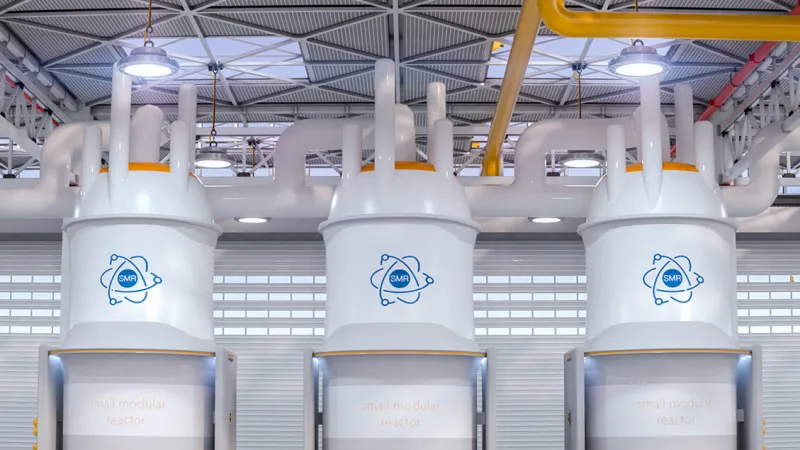
ROME - Italy's Chamber of Deputies overwhelmingly approved a landmark enabling law on nuclear power, voting 155 to 48 in favor, charting a new course for the nations energy future. The legislation, which now proceeds to the Senate for final approval before summer, lays the groundwork for the construction and operation of new nuclear reactors, with Minister of Environment and Energy Security Gilberto Pichetto Fratin projecting the first units to be operational between 2034 and 2035.
This parliamentary endorsement signals a profound pivot for Italy, which largely abandoned nuclear energy decades ago following two national referendums. The current governments move reflects a broader European re-evaluation of nuclear power as a crucial component for energy independence and decarbonization goals amidst ongoing geopolitical complexities and climate change imperatives.
The legislative measure, known as a 'delega' law, empowers the government to issue specific decrees. These decrees will meticulously define the regulatory framework, safety standards, and operational guidelines for the reintroduction of nuclear technology. This structured approach aims to expedite necessary processes while ensuring rigorous oversight.
Minister Pichetto Fratin articulated the ambitious yet critical timeline for the project. "The first reactors will be operational between 2034 and 2035," he stated, underscoring the urgency to bolster Italy's domestic energy production and mitigate reliance on foreign fossil fuels. This declaration establishes a concrete target for the new national energy strategy.
Italy's historical engagement with nuclear power has been marked by a stop-and-go trajectory. Following the Chernobyl disaster in 1986, a 1987 referendum led to the closure of all existing nuclear power plants. A subsequent attempt to revive nuclear energy in the late 2000s encountered public resistance and was ultimately halted by a 2011 referendum, largely influenced by the Fukushima accident.
The renewed governmental interest in nuclear power stems from a confluence of factors. Recent geopolitical events have profoundly underscored the vulnerabilities inherent in heavy reliance on imported natural gas. This has heightened calls for robust domestic energy production to enhance national security and economic stability.
Concurrently, the European Union's ambitious climate targets necessitate a rapid transition away from carbon-emitting energy sources. Proponents increasingly view nuclear power as a stable, dispatchable, and low-carbon base load option essential for achieving carbon neutrality and supporting intermittent renewable sources.
Beyond environmental considerations, advocates assert that a return to nuclear power could stimulate significant economic growth through job creation in construction, advanced engineering, and specialized operations. It also promises more predictable energy costs, potentially shielding consumers and industries from the volatility of international energy markets, thereby enhancing industrial competitiveness.
While the Chamber's vote was decisive, the initiative faces considerable scrutiny. Opposition parties and various environmental organizations voice concerns regarding long-term safety protocols, the intractable challenge of radioactive waste disposal, and the immense capital expenditure associated with nuclear plant construction. They frequently highlight potential budget overruns and prolonged project timelines, advocating instead for an exclusive focus on accelerated deployment of renewable energy technologies and enhanced energy efficiency measures.
The bill's progression to becoming definitive law now rests upon its passage through the Senate. Although the current government commands a solid majority in both parliamentary chambers, the upcoming debate in the upper house will provide another critical forum for detailed examination and discussion of the complex issues involved in reversing decades of anti-nuclear policy. A final stamp of approval is widely anticipated before the summer legislative recess. This parliamentary process reflects the ongoing robust democratic discourse, often observed when Top Italian Ministers Confront Parliamentary Scrutiny During Question Time.
This legislative shift positions Italy alongside other European nations that are either re-evaluating or actively expanding their nuclear capabilities, including France, Poland, and the United Kingdom. The overarching vision articulated by the government integrates nuclear energy as a cornerstone of Italy's long-term energy independence, industrial resilience, and unwavering commitment to a carbon-neutral future, marking a monumental technological and policy undertaking for the nation.