 Stefani Rindus
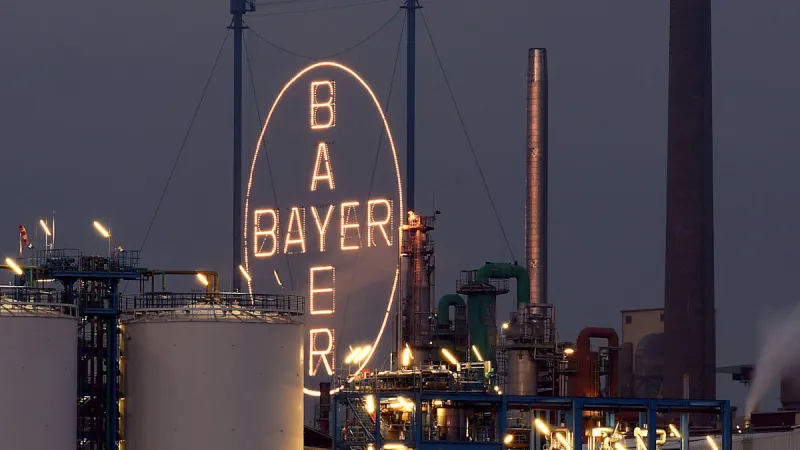
WASHINGTON – A protracted legal saga surrounding the popular herbicide Glyphosate has reached a definitive, if complex, conclusion as a US court granted final approval to Bayer AGs class-action settlement. The monumental agreement necessitates payments totaling up to $7.25 billion over the next two decades to individuals who allege harm from exposure to the product.
This landmark ruling, issued in 2026, marks a significant turning point in thousands of lawsuits that have challenged the safety of the broad-spectrum herbicide, widely known under the brand name Roundup.
Crucially, the settlement stipulates that Bayer, a German pharmaceutical and life sciences company, will not be required to acknowledge any culpability or wrongdoing. This condition remains central to Bayer's public stance, allowing the conglomerate to maintain its consistent position that Glyphosate does not cause cancer.
The company has steadfastly denied any carcinogenic link, citing numerous regulatory assessments globally that support the safety of Glyphosate when used as directed. This non-admission clause was a cornerstone of the negotiations, underscoring Bayer's commitment to defending its product's integrity.
The legal battles escalated significantly after Bayer acquired Monsanto, the original developer of Roundup, in 2018 for approximately $63 billion. This acquisition thrust Bayer into the center of extensive litigation inherited from Monsanto, dramatically impacting the company's market valuation and public image.
Initially, Bayer faced several high-profile jury verdicts, with some awarding plaintiffs hundreds of millions of dollars. These early losses created immense financial pressure and an unpredictable outlook for the company's legal future.
Faced with the daunting prospect of continued litigation and potentially crippling financial penalties, Bayer pursued a comprehensive settlement strategy. This approach aimed to bring certainty to its legal exposure and mitigate ongoing risks associated with thousands of pending cases.
The scientific community remains divided on the health implications of Glyphosate. The International Agency for Research on Cancer (IARC), an arm of the World Health Organization, classified Glyphosate as “probably carcinogenic to humans” in 2015.
Conversely, the US Environmental Protection Agency (EPA) and many other regulatory bodies around the world have consistently concluded that Glyphosate is not likely to be carcinogenic to humans, provided it is used according to label instructions.
This regulatory divergence has fueled public debate and consumer concern, with advocacy groups pushing for stricter controls or outright bans on the herbicide. The settlement, while offering relief to claimants, does not resolve the underlying scientific dispute.
The financial payout, structured over 21 years, offers a mechanism for claimants to receive compensation without prolonged individual trials. This long-term payment schedule reflects the scale of the alleged damages and the sheer volume of plaintiffs involved.
For farmers and agricultural stakeholders, Glyphosate remains a critical tool for weed management due to its effectiveness and relatively low cost. The continued availability and regulatory approval of Glyphosate underscore its entrenched role in modern agriculture.
The approval of this settlement underscores the immense challenges faced by companies navigating complex product liability lawsuits, especially those involving public health concerns. The litigation has drawn parallels to other chemical exposure cases, highlighting the ongoing scrutiny of industrial compounds.
Similar to concerns raised about the pervasive nature and health threats of other substances, recent research on the adverse effects of microplastics generating toxic molecules, as detailed in an article titled Microplastics Generate Toxic Molecules, Posing New Threat to Human Health, illustrates a broader societal conversation about chemical safety and environmental impact.
Bayer's decision to settle, while maintaining its scientific defense, represents a strategic move to insulate its core business from the debilitating costs and reputational damage of endless litigation. The company has expressed a desire to move forward, focusing on innovation in agriculture and healthcare.
This resolution is expected to have far-reaching implications for how large corporations manage product liability and public perception in an era of heightened awareness regarding chemical safety and environmental responsibility.
The settlement fund is designed to compensate those who claim to have developed non-Hodgkin lymphoma and other conditions due to Glyphosate exposure. It represents a significant commitment from Bayer to address these claims.
Advocacy organizations continue to monitor the long-term health outcomes and environmental impacts of such chemicals, urging for precautionary principles in regulatory decision-making.
The final court approval brings a measure of closure to a contentious chapter, yet the broader discussions surrounding chemical safety, corporate accountability, and scientific consensus are poised to endure.
This complex legal and scientific outcome highlights the enduring tension between agricultural necessity, corporate interests, and public health concerns in a globalized economy.