 Chandra Wijayanto
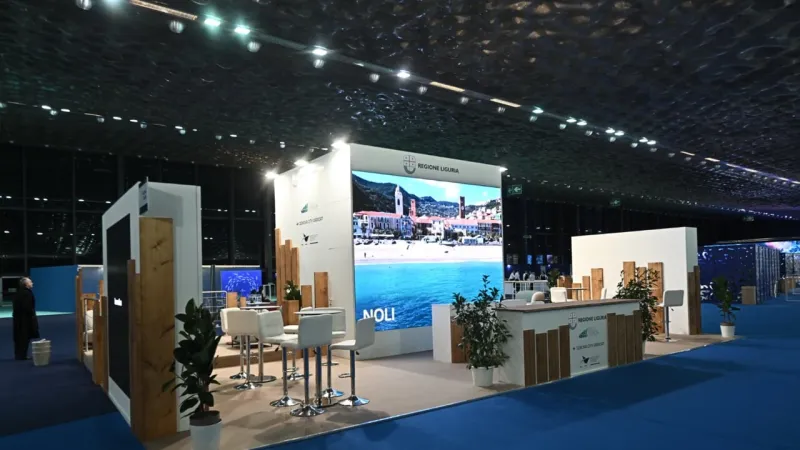
Genoa, Italy – The eagerly anticipated BEST summit, focusing on the economy of the sea, commenced its opening ceremony today, bringing together international stakeholders and experts to fundamentally redefine the blue economy. Convening in the historic port city, participants are set to challenge conventional perceptions, advocating for the blue economy not merely as a distinct sector but as an overarching, integrated model essential for future global sustainable development and prosperity. This strategic gathering aims to chart new pathways for leveraging marine resources responsibly.
The summit, officially known as the Blue Economy Summit, is an initiative designed to catalyze discussion and collaboration on the sustainable management of ocean resources. Its core agenda transcends traditional maritime industries, seeking to integrate environmental protection, economic growth, and social equity under a unified framework. The discussions are poised to shape policy and investment strategies that acknowledge the ocean as a vital component of the global ecosystem and a crucial engine for innovation.
A central theme articulated by organizers emphasizes that the blue economy represents a profound paradigm shift. This perspective views all economic activities that interact with or depend on the ocean as part of an interconnected system that requires holistic management. This includes sectors ranging from renewable marine energy and sustainable fisheries to biotechnology, coastal tourism, and maritime transport, all operating under principles of long-term ecological balance and economic viability.
Delegations from numerous coastal nations, representatives from international organizations, leading researchers, and private sector innovators have gathered in Genoa. Their collective expertise is expected to contribute to a comprehensive understanding of the challenges and opportunities inherent in this expansive economic vision. The diversity of participants underscores the cross-sectoral nature of the blue economy and its far-reaching implications.
Over the coming days, plenary sessions and specialized workshops will delve into critical areas such as marine spatial planning, ocean governance, climate change adaptation, and the development of sustainable marine technologies. The objective is to formulate actionable recommendations and foster partnerships that can accelerate the transition towards a truly blue economy globally.
Genoa, with its rich maritime heritage and strategic location on the Ligurian Sea, provides an apt backdrop for these discussions. The city has historically been a nexus of trade and naval innovation, making it an ideal setting for deliberations that seek to innovate and future-proof ocean-dependent economies. Its port remains a vital economic artery for Italy and Europe.
The urgent need for this redefinition of the blue economy arises from escalating global environmental concerns, including ocean pollution, overfishing, and the impacts of climate change on marine ecosystems. The summit aims to position the blue economy as a primary tool for addressing these challenges while simultaneously fostering economic resilience and creating new sustainable jobs.
Analysts project that the blue economy holds immense potential for economic growth. By adopting sustainable practices, nations can unlock billions in value from ocean resources, fostering innovation in areas like marine biotechnology and offshore renewable energy. This approach aligns with broader international calls for stable and sustainable resource management, echoing sentiments seen in discussions like APEC Must Unite: Lee Urges Stable Critical Mineral, Energy Supply. Realizing this potential requires significant investment in research and development, alongside robust regulatory frameworks.
The insights generated from the BEST summit are expected to inform national and international policy frameworks, guiding governments in developing comprehensive strategies for their maritime sectors. The goal is to move beyond fragmented approaches towards integrated ocean management plans that balance exploitation with conservation.
As the summit progresses, the global community will keenly observe the outcomes, anticipating concrete proposals that can be translated into tangible actions. The emphasis on the blue economy as a model rather than a sector signals a profound shift in thinking, aspiring to create a sustainable and prosperous future for humanity that is intimately connected to the health of the worlds oceans.