Chris Robert
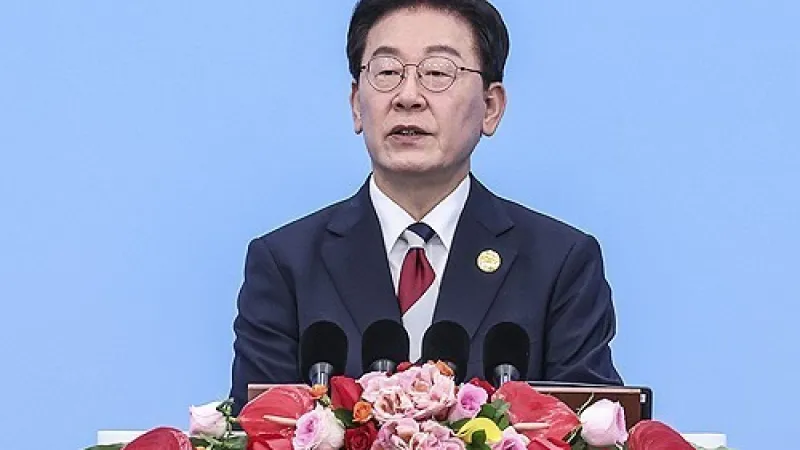
SHENZHEN, China – South Korean President Lee Jae Myung on Wednesday, November 18, 2026, called upon member economies of the Asia-Pacific Economic Cooperation forum to establish a unified front for ensuring the stable global supply of critical minerals and energy, underscoring the pressing need for international collaboration amidst escalating geopolitical and economic uncertainties.
Addressing a gathering of top regional leaders and policymakers, President Lee emphasized that the security of these fundamental resources is paramount for sustaining global economic growth and technological advancement. His remarks highlighted the vulnerabilities exposed by recent global events, from supply chain disruptions to heightened resource nationalism.
Critical minerals, indispensable for everything from advanced electronics and electric vehicles to renewable energy technologies and defense systems, have become strategic commodities. Their availability directly impacts national security and industrial competitiveness across the APEC region.
President Lee stressed that a fragmented approach to resource management only exacerbates risks. He advocated for collective action, including diversifying sourcing, investing in sustainable extraction and processing, and fostering open trade policies that resist protectionist tendencies.
Energy security also remains a cornerstone of economic stability. Lee urged APEC members to work concurrently on transitioning to cleaner energy sources while maintaining robust, diversified traditional energy supplies to prevent abrupt market shocks.
The discussions in Shenzhen occurred against a backdrop of complex global dynamics. Nations worldwide grapple with the dual challenges of meeting growing industrial demand for critical minerals and energy, while simultaneously pursuing ambitious climate goals.
South Korea, a global leader in manufacturing and high-tech industries, is particularly reliant on imported critical minerals and energy. President Lee's appeal reflects his nations keen awareness of the direct impact that supply chain instability can have on its economic output and innovation pipeline.
The call for unity from President Lee resonated through a city that has recently served as a crucible for pivotal international dialogue, including the recent Shenzhen Summit where President Donald Trump and President Vladimir Putin engaged in significant discussions on global affairs.
This broader appeal for resource stability complements South Korea's active economic engagement with China, exemplified by agreements such as landmark deals for film and game exports, underscoring the multifaceted nature of their bilateral relationship and the broader regional economic interdependence.
APEC, representing approximately 60 percent of global GDP and 47 percent of world trade, possesses significant leverage to shape international norms and cooperation on critical resource management. The forums ability to foster dialogue among diverse economies, including major producers and consumers, is seen as crucial.
Achieving consensus on such complex issues will require sustained diplomatic effort, given the differing national interests and development stages among APEC economies. However, the shared objective of long-term economic prosperity provides a powerful incentive for cooperation.
President Lees initiative aims to lay the groundwork for a more resilient and equitable global resource framework, safeguarding the technological progress and economic welfare of the Asia-Pacific region and beyond.