 Stefani Rindus
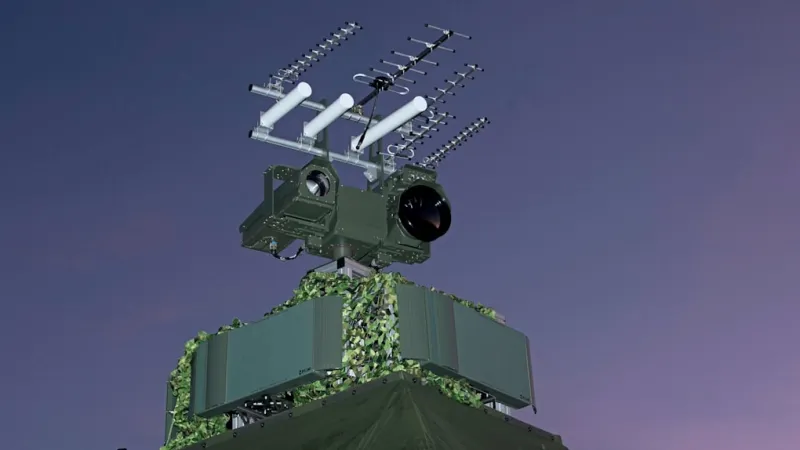
Brussels, Belgium – The North Atlantic Treaty Organization (NATO) is significantly enhancing its defensive posture along its Eastern Flank by deploying a sophisticated, interconnected defense network known as the Kill Web system. This innovative approach, currently under active development and integration, delegates extensive reconnaissance and targeting functions to advanced autonomous machines, while crucially reserving decisive operational command for human personnel. The initiative aims to create a more resilient and responsive defense against evolving geopolitical threats in the region.
The Kill Web represents a paradigm shift in military strategy, moving towards a highly integrated battlefield environment where sensors, shooters, and command centers are seamlessly linked. Its primary objective is to accelerate the decision-making cycle, often referred to as the OODA loop (Observe, Orient, Decide, Act), allowing NATO forces to react to potential aggressions with unprecedented speed and precision.
A substantial portion of the intelligence gathering and target identification within this new framework will be managed by artificial intelligence and automated systems. These machines are designed to process vast amounts of data from diverse sources, including satellite imagery, drone feeds, and ground sensors, identifying potential threats and relaying information in real-time. This automation significantly reduces the cognitive load on human operators and minimizes response times.
Despite the increasing reliance on automation, NATO officials emphasize that the ultimate authority for engaging targets will unequivocally remain with human commanders. This principle addresses critical ethical and operational concerns surrounding autonomous lethal weapons, ensuring accountability and adherence to the laws of armed conflict. The human element serves as a vital safeguard against potential algorithmic biases or errors.
The deployment on the Eastern Flank is particularly salient given the current geopolitical climate. Member states bordering Russia and Belarus have consistently advocated for stronger deterrents and enhanced defensive capabilities. The Kill Web system is seen as a direct response to these concerns, bolstering collective security in a region marked by heightened tensions, particularly as global powers react to events such as Russia's reaction to EU vessel seizures.
While specific officials have not publicly detailed the intricacies of the Kill Web, strategic documents and military exercises have underscored NATO's commitment to integrating cutting-edge technology into its defense architecture. This push for modernization aligns with broader efforts to maintain a technological edge over potential adversaries, a necessity further highlighted by warnings of resurgent dominance and new global war shadows.
Implementing such a complex, networked system presents formidable challenges, including ensuring interoperability among diverse national systems, securing against sophisticated cyber threats, and continuous training for personnel across all member nations. The success of the Kill Web hinges on robust communication infrastructure and a shared understanding of its operational protocols across all allied forces.
This initiative forms a core component of NATO's long-term adaptation strategy, which focuses on enhancing readiness, resilience, and technological superiority. It complements existing defense measures and is intended to create a multi-layered defense capable of deterring aggression across all domains: land, sea, air, cyber, and space.
The concept draws parallels with similar advancements in military technology pursued by other major powers, reflecting a global trend toward more integrated, data-driven warfare. However, NATO's emphasis on maintaining human oversight sets a critical standard for responsible innovation in defense, distinguishing its approach from fully autonomous weapon systems.
Far from being a static deployment, the Kill Web is an evolving framework designed for continuous upgrades and the integration of new technologies as they emerge. Its ongoing development underscores NATO's unwavering commitment to adapt proactively to future security challenges and ensure the collective defense of its member states in an increasingly complex world.