 Angel Doris
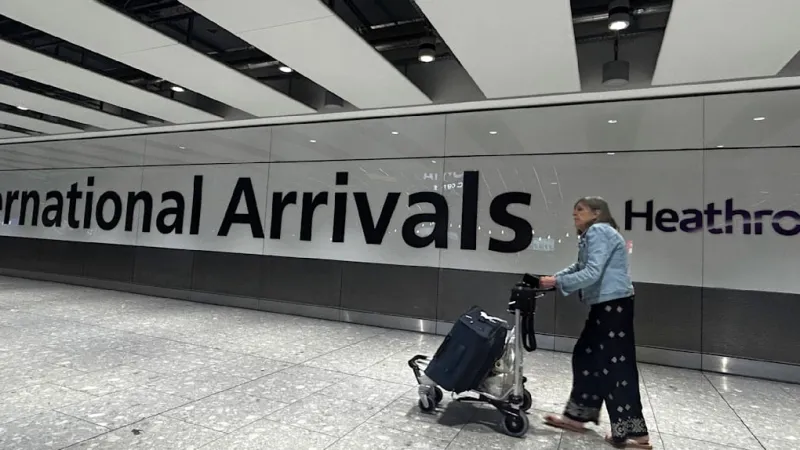
LONDON A critical malfunction within Britains national air traffic control system precipitated widespread flight cancellations and severe delays today, leaving thousands of passengers stranded at major airports across the United Kingdom and continental Europe. The unprecedented operational failure, which commenced in the morning hours, profoundly impacted departures and arrivals at hubs including Heathrow, Gatwick, and Manchester, with ripple effects extending to German airports handling flights to and from London.
The National Air Traffic Services (NATS), responsible for managing UK airspace, confirmed the technical issue, stating engineers were working expeditiously to identify and rectify the problem. Officials acknowledged the significant disruption but did not immediately offer a definitive timeline for full restoration of services.
Passengers reported extensive queues, crowded terminals, and an acute lack of information at various airports. Airlines, including British Airways, Lufthansa, and easyJet, proactively canceled hundreds of flights, advising travelers to check their flight status before heading to the airport.
The ripple effect quickly spread beyond UK borders. Airports in Frankfurt, Munich, and Berlin announced cancellations for numerous London-bound flights, leaving German travelers unable to depart or facing unexpected overnight stays. The interconnected nature of European air travel amplified the initial localized problem.
Airlines are contending with significant logistical challenges, including re-routing aircraft, managing crew duty times, and assisting displaced passengers with accommodation and alternative travel arrangements. The sheer volume of affected flights makes swift recovery challenging.
Experts in aviation logistics suggest that even after the technical issue is resolved, it could take several days to clear the backlog of canceled flights and reposition aircraft and crews globally. This prolonged recovery period will undoubtedly exacerbate passenger frustration.
The precise cause of the air traffic control system failure remains under investigation. While NATS indicated it was a technical issue, speculation among aviation analysts includes software glitches, hardware malfunctions, or even potential cybersecurity vulnerabilities, though no official statements corroborate the latter.
Immediate economic fallout from such a widespread disruption is substantial, impacting not only airlines and airports but also tourism, business travel, and freight operations. Losses are expected to mount into millions of pounds and euros as the crisis unfolds.
Government officials in the UK and affected European nations have called for transparent and swift communication from NATS and the aviation industry to keep the public informed and to mitigate further inconvenience, emphasizing passenger welfare.
The incident serves as a stark reminder of the fragile dependency on complex digital infrastructure that underpins modern air travel. Previous, less severe disruptions have highlighted the critical need for robust contingency plans and resilient backup systems.
Travelers are advised to remain in contact with their respective airlines for the latest updates and guidance. Many carriers have activated flexible rebooking policies for affected flights. The situation continues to evolve, with minimal immediate improvements anticipated for the broader European network.
As evening approached, NATS issued an update confirming that the technical issue had been identified and resolved, but cautioned that significant delays and cancellations would persist throughout the evening and into the following day as operations normalize. The full impact on holiday travel remains a developing concern.
The Department for Transport indicated it would conduct a thorough review of the incident to understand how such a widespread failure occurred and what measures can be implemented to prevent future recurrences, emphasizing the importance of resilient national infrastructure for air travel.