 Dorry Archiles
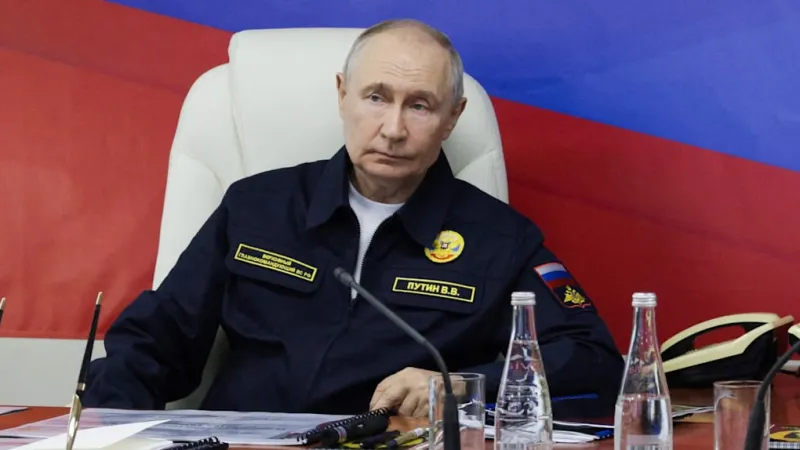
Russian President Vladimir Putin has expressed profound indignation and pledged retaliatory measures against European nations following the recent interception of vessels suspected of violating stringent sanctions. These ships, part of what many term Russias shadow fleet, were reportedly transporting oil, defying international restrictions aimed at curtailing Moscows revenue streams.
Multiple European states executed coordinated maritime operations, targeting tanker ships and other vessels believed to be illicitly engaged in the Russian oil trade. These actions represent a significant escalation in the ongoing economic warfare prompted by the conflict in Ukraine.
Speaking from Moscow, President Putin characterized the seizures as an unacceptable act of aggression. He warned that such unprecedented actions would not go unanswered, signaling potential counter-measures designed to impact European interests.
The interceptions underscore the persistent challenges faced by the European Union and its allies in enforcing comprehensive sanctions against Russia. Despite widespread restrictions, Russia has reportedly utilized a complex network of older, less regulated vessels to circumvent prohibitions and maintain its global energy exports.
This so-called shadow fleet consists primarily of older tankers, often operating under flags of convenience and employing opaque ownership structures. Their operations are critical for Russia to sustain its oil revenues outside the established Western-dominated maritime insurance and logistics frameworks.
The successful interception of these vessels could significantly disrupt Russias illicit oil export routes, potentially increasing shipping costs and logistical hurdles for Moscow. Conversely, any retaliatory actions threatened by Putin could destabilize global energy markets and maritime trade.
This is not the first time the Kremlin has issued such warnings. Previously, the Russian government explicitly stated it would retaliate for European ship seizures globally, as reported in articles like Kremlin Warns of Retaliation for European Ship Seizures Globally. These threats highlight a pattern of escalating tension.
European officials, while not explicitly naming the states involved in the recent seizures, have consistently reiterated their commitment to upholding sanctions. They maintain that these measures are essential to pressure Russia into de-escalation and to uphold international law.
The confrontation over the shadow fleet adds another layer of complexity to already strained relations between Russia and the West. With the conflict in Ukraine showing no immediate signs of abatement, both sides continue to explore various avenues to gain leverage.
Analysts suggest potential Russian countermeasures could range from increased cyberattacks on European infrastructure, disruptions to energy supplies for remaining customers, or even more direct actions affecting European shipping in other global waterways.
The enforcement actions and threatened retaliation pose risks not only to Russia and the EU but to the broader global economy. Supply chain disruptions, increased insurance premiums for maritime shipping, and volatile energy prices could ensue.
The legality of seizing vessels suspected of sanctions violations often hinges on complex interpretations of international maritime law and national jurisdictions. This legal grey area can further fuel diplomatic disputes and accusations of overreach.
Enforcing sanctions against a vast and adaptable network like the shadow fleet presents immense logistical and intelligence challenges. Identifying vessels, tracking their movements, and legally intercepting them requires sophisticated international cooperation.
The immediate future likely involves heightened vigilance from European authorities and potential further interceptions. Simultaneously, the international community will be closely watching for any concrete retaliatory actions from Russia.
The escalating dispute over the shadow fleet underscores the persistent friction points in the geopolitical landscape, demonstrating how economic measures continue to serve as a critical battleground in international relations.