 Debby Wijaya
ROME – An Italian woman battling advanced amyotrophic lateral sclerosis (ALS), who secured judicial approval for medically assisted suicide, continues to endure a months-long delay in exercising her right to end-of-life choices. The protracted wait stems from the lack of a crucial medical device, prompting the Associazione Luca Coscioni to demand immediate action and citing a precedent set by a previous landmark case.
Known only as Anna to protect her privacy, the patient received a favorable ruling earlier this year, recognizing her legal right to access assisted suicide under specific conditions outlined by the Italian Constitutional Court. Her condition, characterized by progressive muscle weakness and loss of motor function, has reportedly deteriorated significantly during the bureaucratic impasse.
Italy's stance on end-of-life issues remains complex, with active euthanasia illegal but medically assisted suicide permissible under stringent criteria established by the Constitutional Court in its 2019 “Cappato-Dj Fabo” ruling. These conditions include an irreversible pathology causing unbearable suffering, full capacity to make free and informed decisions, and the ability to self-administer the life-ending medication or have it administered by a doctor under the patient's explicit instruction.
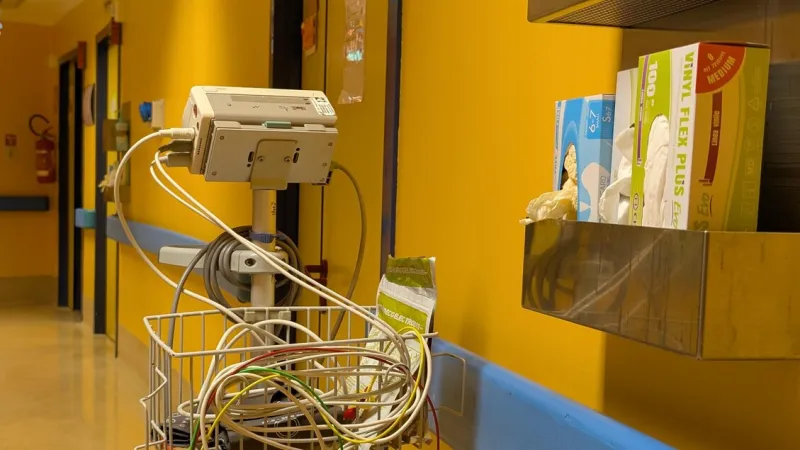
The primary obstacle preventing Anna from proceeding lies in the procurement of a specialized medical device required for the procedure. The Associazione Luca Coscioni, a prominent organization advocating for civil liberties and the right to choose, highlighted the state's failure to provide the necessary equipment despite the legal authorization. “The device already used in the Libera case is needed,” a spokesperson for the association stated, underscoring the precedent and the government's obligation.
The reference to the “Libera” case recalls another patient who, after a prolonged legal battle and administrative hurdles, eventually received access to medically assisted suicide. That case, which garnered significant media attention, set an important precedent for the implementation of the Constitutional Court's guidelines. The Coscioni Association asserts that the mechanisms established by that case should streamline current applications, preventing further anguish for patients like Anna.
Critics argue that the ongoing delays constitute a violation of Anna's fundamental human rights, particularly her right to self-determination and dignity in death. The psychological toll of being legally granted a choice but being unable to act upon it due to bureaucratic inefficiency is immense, exacerbating the suffering of individuals already facing terminal illnesses.
This situation also casts a spotlight on the Italian healthcare system's capacity and willingness to implement complex legal rulings regarding end-of-life care. While individual doctors and medical committees are tasked with evaluating requests, the broader logistical framework required for execution appears to be lagging, creating bottlenecks for patients seeking legal recourse.
Despite the Constitutional Court's rulings, Italy's Parliament has struggled to pass comprehensive legislation on end-of-life choices. This legislative vacuum often leaves the practical implementation of court decisions to the discretion of regional health authorities and individual ethics committees, leading to inconsistent application and prolonged legal challenges across the nation.
Public opinion on assisted suicide in Italy remains divided, though there is growing support for greater patient autonomy. Advocacy groups like the Associazione Luca Coscioni continue to campaign vigorously for clearer, more humane laws and faster implementation of judicial decisions, emphasizing compassion for those enduring unbearable suffering.
The Associazione Luca Coscioni has publicly urged health authorities to expedite the provision of the required medical device for Anna, asserting that her constitutional right is being unjustly denied. The case serves as a poignant reminder of the chasm between legal right and practical access in end-of-life care.
As Anna continues her wait, her plight amplifies the urgent need for a more coherent and compassionate approach to medically assisted suicide in Italy, ensuring that judicial approvals translate into timely and dignified choices for terminally ill patients.