 Dodi Irawan

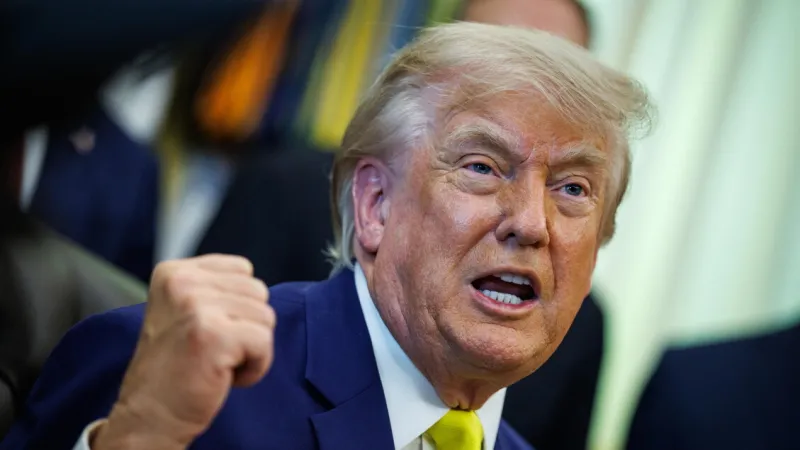
Tehran, Iran – A significant diplomatic agreement forged between President Donald Trump's administration and Iran continues to draw scrutiny in 2026, particularly for its perceived absence of provisions addressing the fundamental rights of Iranian youth. Critics contend this pact, while ostensibly focused on broader geopolitical stability, sidelines critical concerns for social freedoms, most notably impacting young women across the nation.
At the heart of the debate is the argument that the comprehensive negotiations prioritized strategic objectives, such as regional security or nuclear non-proliferation, at the expense of leveraging international influence for internal human rights improvements. This approach, observers suggest, represents a missed opportunity to champion universal values.
Iranian youth represent a substantial demographic, often at the forefront of calls for greater social and political liberties. Their aspirations for self-expression, access to information, and fundamental freedoms are frequently constrained by state policies, making external advocacy crucial.
The plight of Tehrans girls and young women, in particular, resonates deeply with human rights advocates. They face systemic gender-based restrictions in education, employment, and public life. An agreement that does not explicitly address these issues is seen by many as tacitly condoning the status quo.
International human rights organizations have consistently urged global powers to embed human rights clauses into all major international accords. They argue that neglecting these considerations in agreements with nations like Iran can inadvertently embolden repressive practices and undermine long-term stability.
From within Iran, civil society activists often operate under immense pressure, risking imprisonment and other severe penalties to advocate for basic freedoms. The lack of external support for their cause, particularly from influential international agreements, can be profoundly disheartening.
The long-term consequences of such diplomatic oversights are manifold. Critics suggest that an approach solely focused on state-level agreements, without regard for the populace's well-being, risks fostering deeper societal resentment and potential future instability, rather than securing genuine, lasting peace.
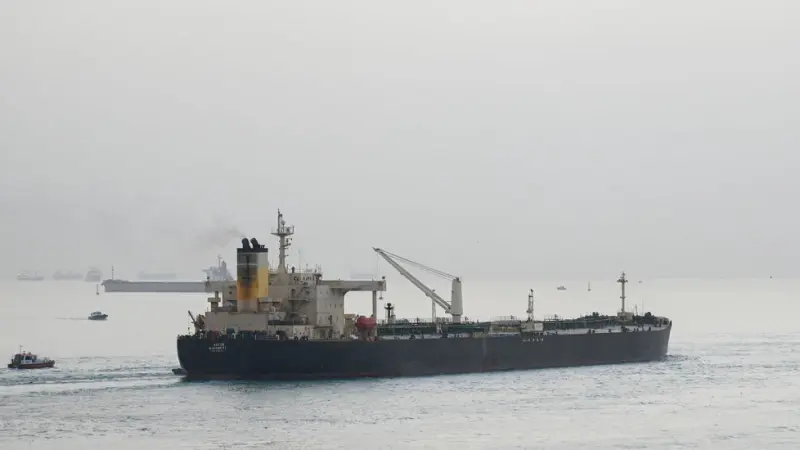
President Trump's administration has engaged in complex diplomacy with Tehran. For example, recent reports detail high-stakes discussions surrounding regional flashpoints, as highlighted in the article Iran Recloses Hormuz Amid Lebanon Fury; Trump Eyes Swiss Talks. These engagements often underscore the prioritization of security concerns.
A more holistic approach to foreign policy, which integrates human rights advocacy with strategic, security, and economic objectives, is increasingly advocated by a range of international policy experts. They posit that true stability is built on the foundation of a respected and free populace.
Ignoring domestic human rights issues within partner nations can also diminish the moral authority and credibility of international accords. When agreements are perceived as transactional, overlooking fundamental human dignity, their legitimacy can be called into question on the global stage.
The imperative for the international community to consistently remember and champion the rights of Iranian youth remains. Ensuring these rights are not forgotten amidst the complexities of geopolitical maneuvering is essential for fostering a more just and stable future, both within Iran and globally.