 Dorry Archiles
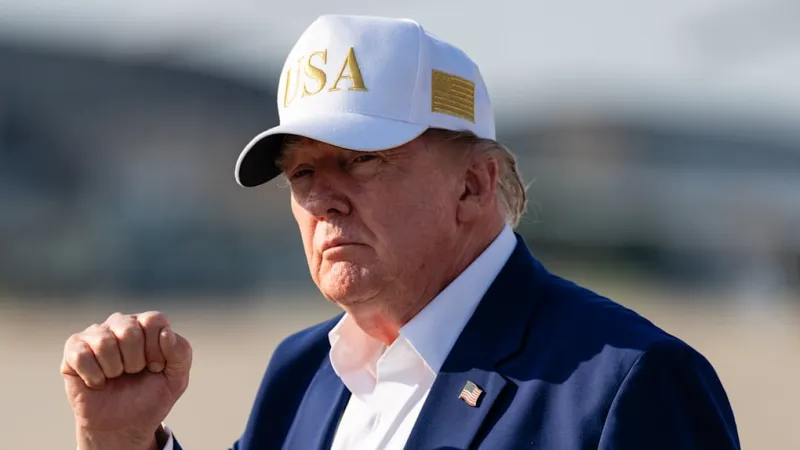
WASHINGTON – President Donald Trump has ordered the revocation of more than 175,000 visas belonging to foreign nationals, citing a range of offenses from violent crimes to traffic violations. This sweeping action, taken across the United States, signals a significant hardening of immigration enforcement and comes amid an ongoing debate regarding the actual criminality rates among non-citizens, directly challenging long-held claims by the administration. A prominent German publicist is reportedly among those affected by this extensive Trump visa revocation.
The scale of this move is substantial, impacting individuals who held various types of visas, including those for work, study, and tourism. While the administration frames the policy as a measure to enhance national security and public safety, critics are quick to point out the broader implications for international relations and the portrayal of immigrant communities.
White House officials indicated that the decision followed a comprehensive review of immigration records, identifying individuals with criminal histories. The categories of offenses leading to visa revocation are notably broad, encompassing not only serious felonies but also what are often considered lesser infractions like repeated traffic offenses.
One high-profile case highlighted in initial reports involves a widely recognized German publicist whose visa was reportedly rescinded. This particular instance underscores the policy's far-reaching impact, potentially affecting individuals with considerable public profiles and suggesting a no-exceptions approach to enforcement.
The administration has consistently maintained that strict immigration policies are necessary to combat crime attributed to foreign nationals. President Trump has frequently emphasized the need for a more secure border and robust internal enforcement to protect American citizens from individuals deemed a threat.
However, government data and independent analyses frequently contradict the narrative of widespread criminality among immigrants. Studies by organizations like the National Academies of Sciences, Engineering, and Medicine have repeatedly shown that non-citizens, both authorized and unauthorized, often have lower incarceration rates than native-born Americans.
This particular Trump visa revocation action brings these contrasting data points into sharp focus. While targeting individuals with criminal records, the sheer volume of revocations, juxtaposed with overall immigration statistics, suggests that the vast majority of foreign nationals in the US adhere to the law.
Experts in immigration law predict potential legal challenges to the blanket revocation policy. The due process rights of visa holders, particularly those with long-term ties to the US, could become a contentious issue in federal courts.
Moreover, humanitarian organizations have expressed concern about the fate of individuals whose visas are revoked, especially those with families or established lives in the United States. Questions arise about the process for appealing such decisions and the support systems available to those facing abrupt removal.
The economic ramifications are also a consideration. Many visa holders contribute to the American workforce and economy. A mass revocation could lead to labor shortages in certain sectors or disruptions for businesses that rely on foreign talent.
This decision also has diplomatic implications, particularly with countries like Germany, whose citizens are among those affected. The reported inclusion of a prominent German publicist could strain diplomatic ties, prompting questions and possible protests from foreign governments regarding the policy's implementation and criteria.
Historically, US administrations have had the authority to revoke visas, but actions of this magnitude are rare. Previous crackdowns have typically focused on specific national security threats or individuals with severe criminal histories, rather than a broad sweep encompassing a wider array of offenses.
The timing of this extensive Trump visa revocation also carries political weight in 2026. With ongoing political discourse surrounding immigration and border security, such a decisive move could be interpreted as a reinforcement of the administration's core platform ahead of future elections.
Critics argue that while targeting criminals is justifiable, the administration's framing of such actions often contributes to a broader stigmatization of immigrant communities, irrespective of individual conduct. They contend that this narrative can fuel xenophobia and misrepresent the contributions of millions of law-abiding foreign nationals.
President Trump's administration maintains that these measures are essential for maintaining the rule of law and safeguarding national interests. Spokespersons affirm that the actions are consistent with the administration's commitment to prioritizing the security and well-being of American citizens.
The specific criteria used to identify the 175,000 individuals remain under scrutiny. While official statements refer to criminal offenses, the precise thresholds for various types of violations leading to a revocation are not fully transparent, raising concerns about consistency and potential arbitrary application.
International observers are closely monitoring the fallout from this decision. The US, traditionally a global leader in attracting diverse talent and offering refuge, faces questions about its evolving immigration stance and its impact on its global image.
As the affected individuals begin to process their situations, the immediate future holds uncertainty for thousands. Families may be separated, careers disrupted, and lives upended as the full force of the Trump visa revocation policy takes effect across the nation.
The policy represents a bold assertion of executive authority in immigration matters, signaling a continued emphasis on enforcement and control as central tenets of the current administration's approach to border and visa management.
Ultimately, the revocation of over 175,000 visas underscores the administration's unwavering commitment to its immigration agenda, setting the stage for continued debate over crime, immigration, and American identity.