Angela Stefani

WASHINGTON — U.S. Immigration and Customs Enforcement (ICE) has dramatically increased financial incentives for local law enforcement agencies across the nation to actively participate in federal immigration enforcement operations, a move that is reshaping community policing and drawing both praise and sharp criticism.
These significant funds are disbursed primarily through expanded partnerships like 287(g) agreements, designed to augment the federal agency's capacity to identify, detain, and deport undocumented individuals. This substantial backing means ICE is giving local police big money to help with immigration enforcement, embedding federal priorities deeper into local jurisdictions.
This surge in federal funding underscores President Donald Trumps steadfast commitment to stringent border security and interior enforcement policies. The initiatives channel millions of dollars into municipal and county budgets, ostensibly to cover costs associated with training, equipment, and personnel dedicated to immigration-related duties.
Proponents argue that these partnerships are essential for maintaining public safety and upholding the rule of law. "Local police departments are on the front lines, and their cooperation is invaluable to national security," stated an ICE spokesperson, speaking on condition of anonymity to discuss ongoing operations. They contend that deputizing local officers under federal authority creates a seamless enforcement apparatus crucial for identifying dangerous criminals.
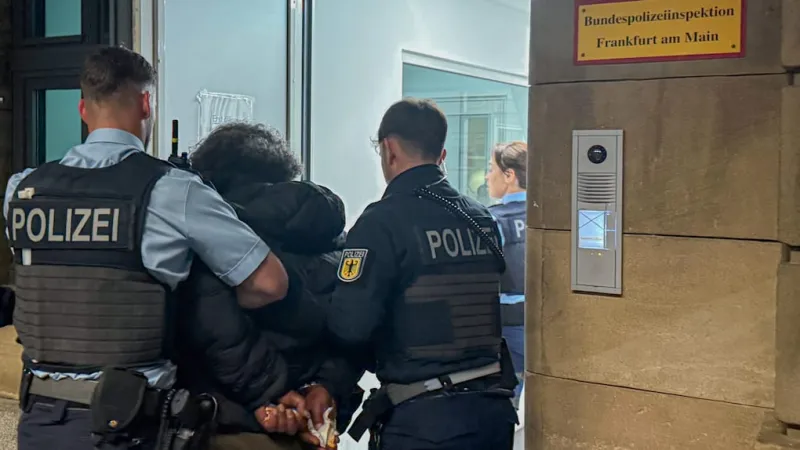
However, the strategy has ignited considerable controversy among civil rights organizations and immigrant advocacy groups. Critics contend that ICE is effectively using local police departments as an extension of its own force, blurring the lines between community-oriented policing and federal immigration mandates.
Experts from the American Civil Liberties Union (ACLU) have repeatedly raised concerns that such agreements can lead to over-policing in specific neighborhoods and discourage undocumented residents from reporting crimes for fear of deportation. This fear, they argue, ultimately makes entire communities less safe.
The funding mechanisms allow local police departments to be reimbursed for time spent on immigration-related tasks, including identifying non-citizens during routine traffic stops or arrests for minor offenses, and assisting in ICE-led raids. This financial inducement provides a strong impetus for cash-strapped local jurisdictions to embrace these partnerships.
A review of recent federal disbursements indicates a notable increase in the allocations provided directly to local agencies entering or expanding their agreements with ICE throughout 2025 and into 2026. This trend aligns with the administration's broader agenda for robust immigration control.
Mayors and police chiefs in jurisdictions with strong immigrant protections have largely resisted these offers, citing local ordinances and a desire to foster trust within their diverse populations. They maintain that local resources should be focused on community crime, not federal immigration matters.
Conversely, sheriffs in more conservative counties often welcome the additional funding and the perceived authority it brings. They view the collaboration as a necessary tool to address perceived challenges associated with undocumented populations and to support federal efforts.
The political ramifications extend to Capitol Hill, where legislators are sharply divided on the propriety and effectiveness of these programs. Democrats generally express alarm over the potential militarization of local police and the human rights implications, while many Republicans champion the programs as vital components of a secure nation.
Future congressional hearings are anticipated to scrutinize the financial oversight and operational impacts of these expanded agreements. Lawmakers will debate whether ICE is effectively giving local police big money to help with immigration enforcement, and if this investment yields the desired outcomes without compromising civil liberties.
Furthermore, legal challenges against these partnerships are ongoing in various states, questioning the constitutional boundaries of local police involvement in federal immigration matters. Courts are increasingly being asked to weigh federal prerogatives against local autonomy and individual rights.