Robert Andrison
HAMBURG, Germany – Hamburger Energienetze, the city-owned energy provider, has initiated a new allocation process for large-scale electricity connections, concurrently revealing a critical lack of immediate capacity for new requests. This significant development effectively halts the provision of additional large power connections, impacting major consumers across the city due to an overburdened grid and uncertain expansion timelines for regional network integration.
The municipal company confirmed that it can currently assign no additional large connections, a stark admission that underscores the growing pressure on Hamburgs energy infrastructure. This moratorium directly affects businesses, industrial enterprises, and potentially large urban development projects that rely on high-capacity power supplies for their operations and expansion.
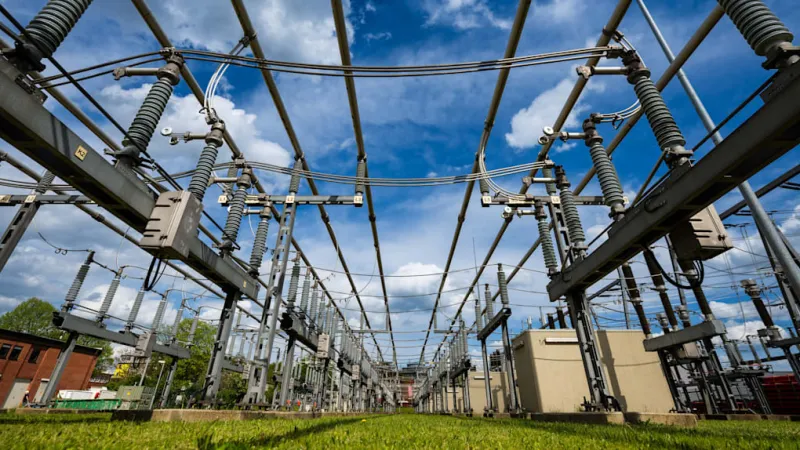
The core of the issue lies in the inadequate capacity within the existing network, particularly at the crucial transition points where the supraregional energy grid connects with Hamburgs local distribution system. These bottlenecks prevent the city from importing or distributing sufficient electricity to meet burgeoning demand from large-scale users.
Officials from Hamburger Energienetze have stated that the timeline for expanding these vital connections from the broader national grid into Hamburg remains uncertain. This lack of a clear schedule introduces considerable planning instability for both the energy provider and potential large-scale consumers.
The implementation of a new allocation procedure suggests an attempt to manage demand in a highly constrained environment. While the specifics of this new process are not fully detailed, it is likely designed to prioritize existing needs or critical infrastructure projects once capacity becomes available, rather than fulfilling new speculative requests.
Hamburg, as a prominent port city and a significant economic hub within Europe, relies heavily on a robust and expandable energy infrastructure to support its industrial base and continued urban growth. This capacity crisis could impede future economic development and deter new businesses from establishing or expanding within the city.
The challenges faced by Hamburgs energy grid mirror broader trends seen across Europe and globally, where increasing electrification of transport and heating, coupled with the integration of renewable energy sources, places immense strain on aging infrastructure. Ensuring grid stability and capacity has become a paramount concern for many municipal and national utility providers.
Long-term solutions will likely involve substantial investments in grid modernization and expansion projects. This includes upgrading existing transmission lines, enhancing substations, and developing smart grid technologies to optimize energy flow and respond to demand fluctuations more effectively.
The situation also highlights the complex interplay between local energy planning and national or international grid capabilities. Hamburger Energienetzes ability to deliver services is intrinsically linked to the larger supraregional network, necessitating coordinated efforts beyond city limits.
For major companies considering new facilities or significant expansions in Hamburg, this announcement necessitates a reevaluation of their energy procurement strategies and potentially their location decisions. Reliable access to power is a fundamental prerequisite for modern industrial and commercial operations.
Stakeholders, including city planners, business leaders, and environmental advocates, will be closely observing how Hamburger Energienetze and city authorities address this critical infrastructure challenge. Prompt and transparent communication about expansion plans and available capacity will be crucial to maintaining confidence and supporting Hamburgs economic vitality.
The current impasse underscores the urgent need for strategic infrastructure planning and investment to ensure that Hamburg can continue to meet the energy demands of its residents and its thriving economy in the years ahead.