Robert Andrison
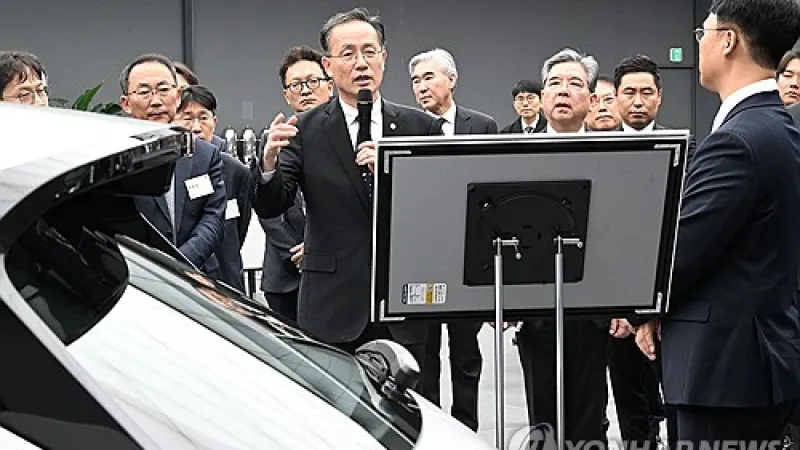
SEOUL (November 2, 2026) – South Korea's Finance Minister Choo Kyung-ho held a crucial meeting with Hyundai Motor Group Executive Chair Euisun Chung to discuss the nations electric vehicle (EV) policies, according to sources familiar with the matter. This high-level consultation, occurring as the global automotive industry navigates a transformative shift towards electrification, underscores Seoul's strategic push to solidify its position in the competitive EV market.
The meeting between Minister Choo and Chairman Chung reportedly focused on a comprehensive review of existing government incentives and potential new measures aimed at accelerating EV adoption and manufacturing within South Korea. While specific details of their conversation remain undisclosed, industry observers speculate discussions likely included battery supply chains, charging infrastructure expansion, and tax benefits for consumers and manufacturers.
South Korea has long positioned itself as a global leader in automotive manufacturing, with conglomerates like Hyundai and Kia at the forefront. The transition to electric vehicles presents both immense opportunities and significant hurdles for the nation's industrial landscape. The government, keen to maintain its competitive edge, has expressed strong commitments to fostering an environment conducive to EV innovation and production.
Analysts suggest the discussions are particularly pertinent given the intensifying global competition in the EV space. Nations worldwide are vying for dominance, implementing aggressive policies to attract investment and stimulate domestic production. South Korea’s proactive engagement with its leading automakers signals a concerted effort to stay ahead in this crucial technological race.
Hyundai Motor Group, encompassing both Hyundai and Kia brands, has made substantial investments in electric vehicle technology and production facilities. Their ambitious plans include launching a wide array of new EV models and expanding battery production capacities, both domestically and internationally. This strategic foresight aligns closely with the governments vision for a greener, more technologically advanced economy.
Recent reports indicate varied performance across the South Korean automotive sector. While Kia Powers Ahead with October Sales Up 10% on Strong SUV Demand, reflecting robust consumer interest in specific segments, other players like KG Mobility Faces Steep 31.3% October Sales Tumble. This mixed landscape underscores the necessity for targeted and effective government policies that can support the industry's overall transition.
The finance minister's involvement emphasizes the economic implications of the EV shift. The government views the EV sector not merely as an environmental imperative but as a powerful engine for future economic growth, job creation, and export revenue. Sustained investment and supportive policies are deemed essential to capitalize on this potential.
Furthermore, these policy discussions are set against a backdrop of broader economic strategy. The South Korean government has been actively navigating global economic uncertainties, with recent positive indicators such as Seoul Equities Roaring Back with Investors Driving Over 2% Gain. Maintaining momentum in key industrial sectors like automotive manufacturing, especially in high-growth areas like EVs, is critical for sustained national prosperity.
The meeting also likely touched upon regulatory frameworks for autonomous driving technologies, which are intrinsically linked with EV development. The convergence of these two advanced fields requires harmonized policy approaches to ensure safety, foster innovation, and pave the way for future mobility solutions.
Sources indicated that the dialogue covered potential adjustments to subsidies for EV purchases, research and development grants for advanced battery technologies, and strategies to secure critical raw materials for EV components. These areas are vital for reducing production costs and making EVs more accessible to the general public.
This high-level engagement between government and industry leadership highlights a shared understanding of the strategic importance of the electric vehicle market. South Korea aims to cement its status not just as a producer of quality EVs, but also as a hub for EV innovation and related technological advancements, ensuring its long-term economic resilience in a rapidly evolving global landscape.
The broader context of South Korean economic policy, which recently saw a partisan clash over its budget concerning North Korea and economic strategy, suggests that resource allocation and strategic investments in sectors like electric vehicles are subject to intense scrutiny and debate. The outcome of these high-level talks will undoubtedly influence future budgetary decisions and industrial policies.