 Edward DP Situmorang
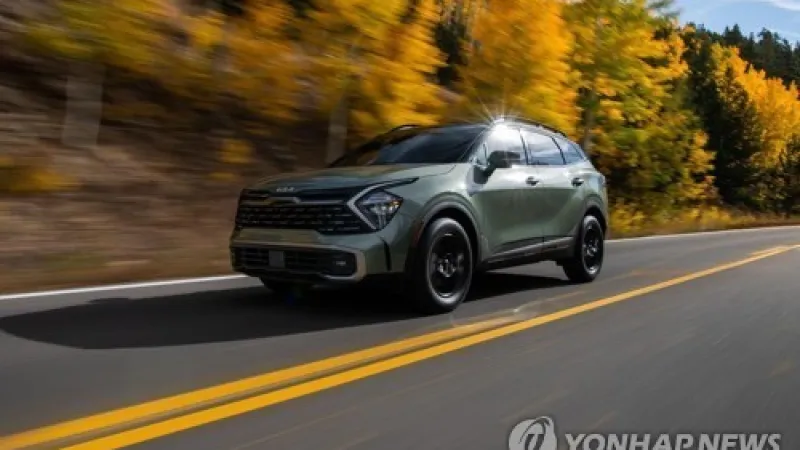
SEOUL – Kia Corp. announced Monday, November 2, 2026, a significant 10.3 percent surge in its global vehicle sales for October, attributing the robust performance primarily to sustained consumer appetite for its diverse lineup of sport utility vehicles.
The South Korean automaker reported a substantial acceleration in worldwide deliveries compared to the previous year. This strong showing underscores Kia's strategic focus on the highly competitive SUV segment, which continues to drive considerable revenue streams and market share gains for the brand.
Industry analysts widely concur that the global automotive landscape remains heavily tilted towards utility vehicles. Consumers increasingly prioritize versatility, elevated driving positions, and spacious interiors, trends Kia has shrewdly capitalized on by consistently introducing compelling new SUV models and updates to its popular range.
While specific model breakdowns for October were not immediately disclosed, popular offerings such as the Sportage, Sorento, and Telluride are understood to be key contributors to the surging Kia sales. These models have garnered praise for their design, technology integration, and competitive pricing, appealing to a broad demographic across multiple continents.
The impressive October figures position Kia favorably within the challenging global automotive market, where many manufacturers are navigating persistent supply chain complexities and fluctuating consumer sentiment. This robust growth contrasts with some industry segments still recovering from prior economic disruptions.
The broader automotive sector has witnessed varied performances across its segments. While traditional passenger car sales have remained relatively stagnant in many regions, the demand for SUVs and, increasingly, electric vehicles (EVs), continues to climb. Companies like Rivian, for instance, have seen significant traction in specialized EV markets, with Rivian Electric Van Sales Soar, Eclipsing R1T and R1S Combined, illustrating diverse pockets of automotive growth.
Kia's long-term strategy involves a dual approach: fortifying its internal combustion engine (ICE) SUV portfolio while aggressively expanding its electric vehicle offerings. This balanced approach is meticulously designed to cater to varied global market demands and evolving regulatory environments, ensuring adaptability.
Looking ahead, the automaker aims to sustain its growth trajectory through continued heavy investment in research and development, particularly in advanced driver-assistance systems and cutting-edge battery technology. Company executives have previously signaled ambitious targets for EV market penetration in the coming years, reinforcing their commitment to electrification.
The strong performance of major automakers like Kia often serves as an economic barometer, reflecting broader consumer confidence and discretionary spending power. A robust automotive sector typically indicates a healthy manufacturing base and stable employment levels in key industrial nations, contributing to overall economic stability.
Although global figures were reported for the month, analysts suggest that key markets in North America, Europe, and the Asia-Pacific region likely contributed significantly to the October uplift in Kia sales. Sustained demand in these regions for practical, stylish, and technologically advanced vehicles remains a powerful driving force for the brand.
Despite the overwhelmingly positive outlook, Kia, like all global automakers, faces ongoing challenges including material cost fluctuations, intensifying competition from both established players and new entrants, and the rapid pace of technological change. However, its current momentum in the lucrative SUV segment provides a strong operational foundation.
The October sales report unequivocally reaffirms Kia's successful pivot towards a design-led, utility-focused product strategy that has resonated strongly with a global audience. This sustained growth is crucial for the company's long-term profitability, market leadership aspirations, and continued innovation within the dynamic automotive industry.