 Stefani Rindus
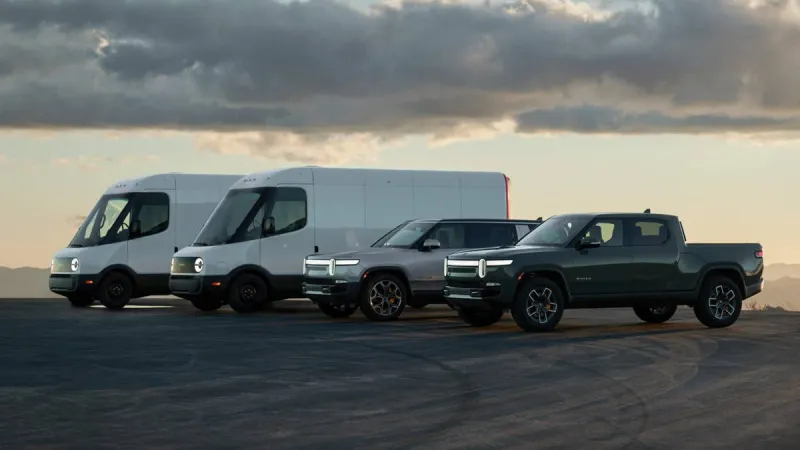
Rivian Automotive Inc. achieved a remarkable sales milestone in the third quarter, as its dedicated electric commercial van (RCV) deliveries significantly surpassed the combined figures for its popular R1S SUV and R1T pickup truck. This unexpected surge underscores a strategic pivot and highlights the burgeoning demand within the commercial electric vehicle sector across America. The RCV not only dominated Rivian internal sales charts but also secured its position as the nations fourth-best-selling electric vehicle overall during the same period.
This performance marks a critical juncture for the Irvine, California-based automaker, which has traditionally garnered public attention for its adventure-oriented consumer vehicles. The robust demand for the RCV indicates a strong market appetite for sustainable fleet solutions, particularly as businesses increasingly prioritize operational efficiency and reduced carbon footprints. The commercial segment often provides a more stable revenue stream and larger volume orders compared to the fluctuating consumer market.
The RCV success can be attributed to several factors, including its design for logistical efficiency and its utility in various commercial applications, from last-mile delivery services to utility operations. This specialized focus appears to be yielding substantial dividends, contrasting with the broader electric vehicle market where consumer adoption rates are influenced by factors like charging infrastructure availability and initial purchase price.
The data for the third quarter of 2026 revealed a clear preference for the RCV within Rivian lineup, signaling a potential recalibration of the company manufacturing priorities and future product development strategies. While the R1T pickup and R1S SUV have established a strong brand identity for adventure and premium electric mobility, the sheer volume moved by the RCV demonstrates the commercial sectors readiness to embrace electrification at scale.
Industry analysts note that this shift aligns with broader trends in the automotive landscape, where commercial fleets are rapidly transitioning to electric powertrains to meet environmental mandates and achieve long-term cost savings. The competitive environment for electric vehicles continues to intensify, with manufacturers like Rivian seeking to carve out niches in both consumer and commercial markets. For instance, other companies are also pushing boundaries, as seen with Honda Unleashing 1,300-HP Hybrid Passport Baja Spec in Desert Racing, showcasing diverse approaches to automotive innovation.
Rivian early success in the commercial van segment positions it favorably against established automotive giants and emerging EV startups. Securing significant fleet orders can provide a foundational revenue stream that allows for continued investment in research and development for its entire vehicle portfolio. The focus on commercial logistics also leverages Rivian advanced battery technology and modular platform design effectively.
The broader electric vehicle market in America continues its expansion, bolstered by consumer interest and corporate commitments. Investments from international entities, such as Korea Pledging Deeper Investment in US, Bolstering Hyundai Alabama, further illustrate the global confidence in Americas automotive manufacturing capabilities, particularly in the EV sector. This influx of capital and manufacturing capacity is critical for scaling production and meeting the escalating demand for electric mobility solutions.
The implications of the RCVs strong performance extend beyond Rivian immediate financial statements. It signals a maturation of the electric vehicle market, indicating that specific, utility-focused applications can drive significant adoption. This can serve as a blueprint for other manufacturers exploring the commercial EV space, emphasizing customization and operational efficiency over purely consumer-driven aesthetics or performance metrics.
Looking ahead, Rivian faces the challenge of sustaining this momentum while scaling production to meet growing demand for both its commercial and consumer offerings. Balancing these two distinct market segments will require strategic allocation of resources and continued innovation. The RCVs dominance in third-quarter sales, however, provides a clear validation of Rivian diversified approach to electrification.
Ultimately, the remarkable sales figures for the Rivian electric van highlight a pivotal moment for the company and the broader electric vehicle industry. It underscores the critical role that commercial fleets play in accelerating EV adoption and solidifies Rivian position as a formidable competitor in the rapidly evolving landscape of sustainable transportation.